visit tanzania logo

Mount kilimanjaro

Welcome to Mount kilimanjaro

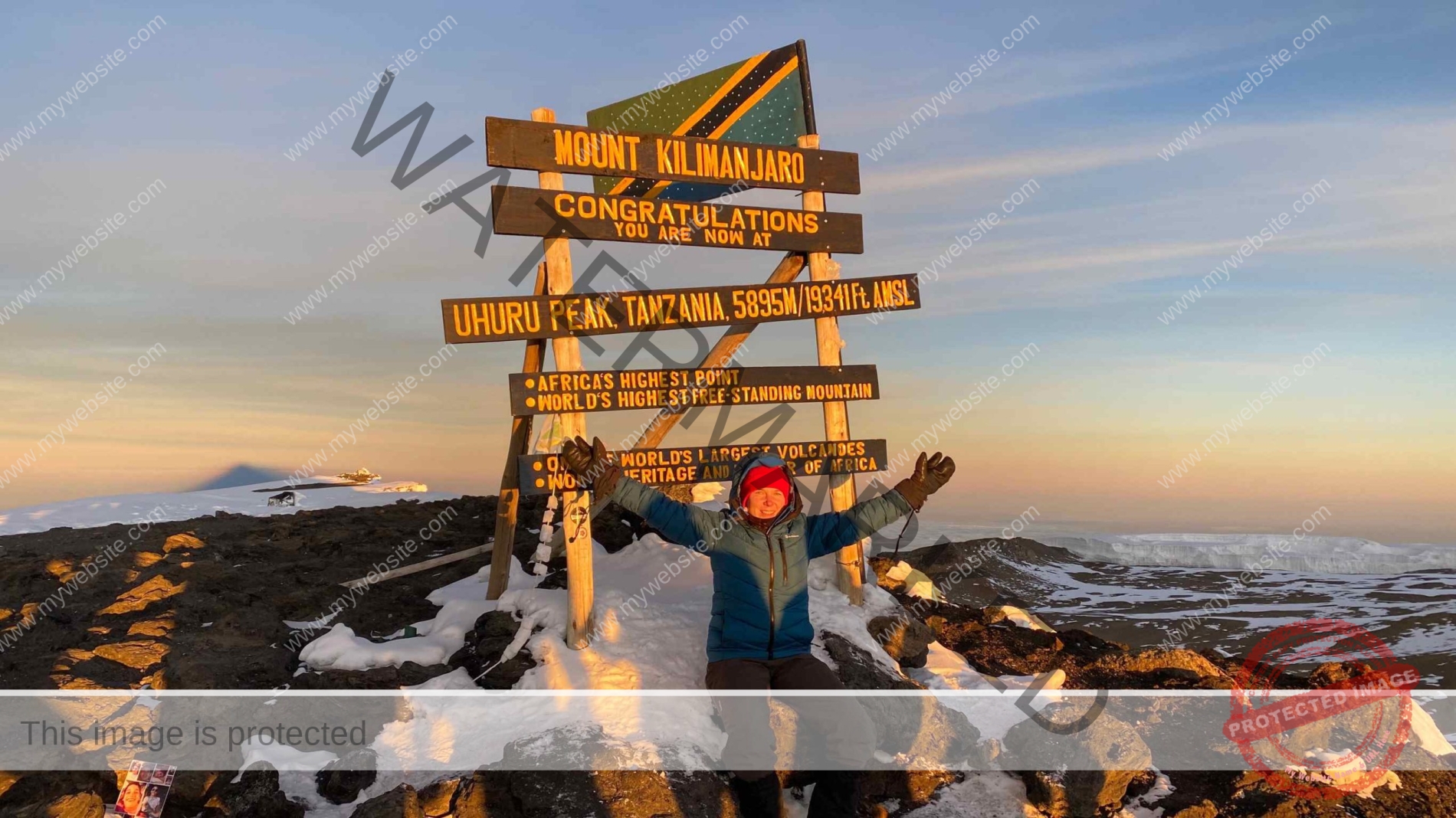
Mount Kilimanjaro is the highest peak in Africa, and the highest free-standing mountain in the world. It is located in northeastern Tanzania, near the Kenya border and stands majestically at 5,895 meters (19,341 feet)Tell. Kilimanjaro is a dormant volcano and a UNESCO World Heritage Site as well as one of the Seven Summits. It has three cones: Kibo (the snow-capped summit), Mawenzi and Shira. Kilimanjaro draws people from all the world because its climbs, though challenging, are non-technical and take you through different ecosystems from rainforests to arctic summits. Kilimanjaro is a dormant volcano and UNESCO World Heritage Site. Standing as a symbol of triumph and natural wonder, it is quite the feat to conquer, a person also undergoes a transformation journey. It is a powerful a blend of breathtaking scenery, culture of the local Chagga and Maasai people, and the thrill of winning the ‘Roof of Africa’ which is physically and emotionally transforming. Whether it is summiting Uhuru Peak at dawn or guided hikes around the base, Kilimanjaro never disappoints when it comes to epic adventures.

Map of Mount kilimanjaro

Mount Kilimanjaro is found in Kilimanjaro National Park which is in the northeastern region of Tanzania. It is about 300 Kilometers south of the equator, 200 kilometers from the city of Arusha which is the main gateway city. The mountain covers approximately 1688 square kilometers and has three volcanic cones: Kibo which is the highest and central at an elevation of 5895 meters, Mawenzi which is the rugged eastern peak at 5149 meters, and Shira which is the western plateau at 4005 meters. Some of the key parts are Shira plateau in the west, saddle plateau which connects Kibo and Mawenzi, and uhuru peak which is in the rim of Kibo. The climbing routes from the base are Marangu which is southeast (also called the “coca-cola route”), Machame which is south and has scenic views (“whiskey route”), Lemosho which is west and the route is longer for accliamatization, and Rongai which is dry and to the north. Other routes are Umbwe which is steep and to the south, and northern circuit, the longest which circles north. Marangu gate is south east and Londorossi gate is west, with Arusha of Kilimanjaro international airport (jro) as entry hubs. TANAPA (Tanzania National Parks Authority) issued maps which contain the elevations, camps, and trails which are important for the routes which can range from 5 to 9 days.


Meaning of the word Kilimanjaro

The meaning of "Kilimanjaro" is still uncertain, but “njaro,” which is from Chaga, translates to ‘whiteness’ or ‘shining’ and ‘kilima’ is a Chagga word meaning ‘mountain or hill’ which could mean ‘mountain of whiteness’ or ‘shining mountain, snow-capped summit.’ “Mountain of greatness” or ‘that which is impossible for the bird’ could also mean ‘impossibly great’ and ‘impossibly great for the bird’ could mean a local bird is said to come from praying tribes.”

Best Time to Climb Mount kilimanjaro

Mount Kilimanjaro can be climbed at any time of the year, but the best time to do so is during the dry seasons of late December to mid-March and late June to October. During these months, the chances of encountering rainfall are very slim, and the temperatures are milder, making it safe to climb and offering breathtaking views from the top. While these are the best months to climb, July to September does get very crowded. Early June and late October offer stable weather, but these months are not very popular and receive fewer visitors.

Why You Should Climb Mt kilimanjaro

Every climber, climber, or traveller, Kilimanjaro is a life changing experience. For first time visitors or long time travelers, climbing Kilimanjaro offers both a multitude of difficult pathways and breathtaking views. Climbing it transforms an individual’s mindset and is an experience of a lifetime. Here are a few things that make climbing it all the more useful:

Conquer Africa’s Highest Peak and a Seven Summit:

Standing at a staggering 5,895 meters, the Uhuru Peak is the tallest mountain standing at Africa’s highest Kilimanjaro, and world’s highest free standing volcano. Climbing it not only grants staggering views, but joining the unique group of people that have tackled one of the Seven Summits while not putting in the strain of technical mountaineering skills makes it all worth it.

Test Your Mental and Physical Limits and Build Resilience

The climb up the mountain tests endurance and self-discovery while boosting pride and confidence as it demands extreme stability and self assurance. You undergo sharp mental and physical activity as limbs are stretched to the limits and the altitudes are high. There is great self-respect after achieving such a great feat. 

See all Ecosystems in a Single Climb

You are guaranteed to witness five different climates. Imagine rainforests with monkeys and birds, which also consist of moors, alpine deserts, and the final summit which is Arctic. It is a guaranteed ‘pole to pole’ kind of a journey in merely five days and days filled with changing scenery and wildlife interactions. 

Amazing Views and Sunrises

You can enjoy breathtaking views along with the African plains and glaciers. There are immeasurable moments and great opportunities to capture amazing memories while the mountain poses beautifully during the amazing sunrises above the clouds. 

Beginner Friendly: Climb with Cultural Exploration

The only fitness level required is just a little bit of fitness which makes the climb very easy. This lack of fitness requirements makes the trek beginner friendly along with the help of local porters and guides. This insight into Tanzanian culture will surely provide and support great moments of teamwork.

Climbing mount kilimanjaro

Kilimanjaro’s main attraction is mount climbing, a high-altitude non-technical trek that Uhuru Peak can be summited from seven different routes. With over 35,000 people climbing Kilimanjaro each year, it offers unique challenges and scenery over a 5-9 day trek. Popular routes include Marangu Route, Machame Route, and Lemosho Route. Marangu is also known as the “5-6 day hut accommodation Coca-Cola Route” due to it’s easier compared to other routes. Machame is a “Whiskey Route” that takes around 6-7 days. It’s known for the scenery and includes camps for better acclimatization. Lemosho is the last and takes 7-8 days to complete. It is the most remote as it starts from the western part through the forests which offers a gradual ascent. Climbers ascend through diverse zones and face challenges from the severe altitude. These however can be mitigated with the slow pace known as “pole pole”. During the trek, porters and guides ensure safety. After a gradual trek, the climax is a pre dawn to summit starts which arrives with glacier views. It is a trek that thoroughly demands preparation and teamwork, and is a true test of hiking endurance.

FAQ about Mount kilimanjaro

How long would it take to climb Mount Kilimanjaro?

The duration depends on the chosen route. For example, Marangu takes 5-6 days, followed by the shorter 5-6 day routes, and the longer Northern Circut which takes 9 days and runs through the east of Kilimanjaro. All routes observe 4-8 hours walks daily. Climbers are required to take an extra 10-14 hours in the summit push and an addition 1-2 days of travel and preparations.

While having any prior experience is not a requirement to climb, climbers are strongly advised to be in good physical condition to take on the challenge. With no senior age restriction, fit senior citizens over the age of 10 have been able to succeed. Most climbers require a good deal of physical endurance and mental unwavering focus for the challenge.

The average is estimated roughly 65-85% which average to 60% for Marangu. Overcoming mental blocks would help matters. With longer routes like Lemosho exceeding 90%.

A rough estimate is around 1,500 to 5,000 for everything, which includes permits, guides, porters, food, and even some gear, with shared groups bringing the costs down. For private climbs, expect some luxury amenities like better camps which drive the cost up. Other flights tips and insurance add another 1,300 to 1,500. For flights, expect around 1000, and tips around 200 to 300. For value, pick bookable operators.

Avoid it by not rushing, controlling hydration (4-5L/day), and having a good diet. For the best climb, try to not exceed 5 days. Climb high, sleep low is a good saying to remember as well. For medication, take Diamox and monitor with a good healthcare professional. Guides can monitor headaches, nausea, and other common symptoms which is especially useful for pacing.

Beginners can try Machame or Lemosho as both offer 6-8 days with plenty to see like diverse ecosystems and stunning views. They also come with a high success rate. Try not to take the steep Umbwe route as a beginner though. The Marangu route is easier but comes with lower summiting odds. Focus on fitness and preffered options.