visit tanzania logo

Zanzibar

Welcome to Zanzibar

Zanzibar is a stunning archipelago located in the Indian Ocean just off the coast of Tanzania, and is well known for its spices “The The Spice Islands” as it was once a large producer of spices During its colonial rule, Zanzibar was significantly influenced culturally and commercially by the Portuguese, British, Arabs, Indians, and even Dutch merchants, making it a unique and culturally diverse region. Today Zanzibar is semi-autonomous and consists of over 50 islands of which the largest and most famous is Unguja. It is famous for its historic sites like the stone town which is a walking maze of old architecture.

The archipelago and the surrounding islands consist of white sand beaches, tropical coral reefs backdded by tropical coral reefs, and lush spice plantation. Zanzibar is known for its coral reefs which are home to diverse marine life, and the spice islands are home to many diverse sand beaches and spice plantations. You are guaranteed to lose yourself to its warm waters while you snorkel with its dolphins, enjoy fresh seafood while sitting under swaying palms, or walk through vibrant markets overflowing with a blend of cloves and cinnamon. Zanzibar is the perfect place for a scenic holiday as it island life with cultural immersion, tropical beauty, and and endless adventure for relaxation. It is perfect for any type of vacation Spice Islands are bound to leave you captivated and intrusion of this gorgeous region.

Map of Zanzibar

The Zanzibar Archipelago is located approximately 25-50 kilometers from the Tanzanian mainland and is at 6°10′S 39°11′E. It covers an area of 2,462 square kilometers which comprises of Unguja Island (Zanzibar Island) and Pemba Island.

Unguja is 85 km long and 30 km wide, with Stone Town as the capital and the beaches Nungwi and Kendwa as the tourist hotspot. Paje and Jambiani located to the southeast offer kitesurfing with Jozani Forest to the south with red colobus monkeys.

Pemba Island is 50 km to the north and is known for its greener hills and clove plantations as well as dive sites like Misali Island. Mnemba is an islet to the northeast which is privately owned and serves as an atoll for snorkeling. Changuu (Prison Island) to the west of Stone Town is for giant tortoises and Chumbe southwest is known for its marine park.

You can reach Zanzibar by Abeid Amani Karume International Airport (ZNZ) located on Unguja or by ferry from Dar es Salaam which takes 2 hours. Expert Africa and similar sites offer interactive maps with roads and marine reserves which simplifies the planning of the trip.

Meaning of the word Zanzibar

The word “Zanzibar” comes from Persian or arabic “Zanjibar” where “Zanj” means “Black people” or the Bantu people from east Africa and “bar” meaning “coast” or “land” so it translates to “Coast of the Blacks” or “Land of the Black People” which shows how it used to be a center for trading spices, slaves and ivory from the Swahili coast in ancient history.

Best Time to Visit Zanzibar

Zanzibar has a tropical climate that is nice for a visit throughout the year. The best time to visit, however, is during the dry seasons which are from June to October (cool dry season with temperatures of 23-28°C/73-82°F, perfect for beach activities with low humidity) and from December to February (hotter dry season, 25-32°C/77-90°F, ideal for all water sports and beach festivals). The best days to visit are the sunny days with calm seas perfect for snorkeling and low rainfall, which is during peak tourism seasons.

Travelers are advised to skip the long rains season (March-May) for heavy showers and humidity. Although, this time does offer cheaper rates and a greener environment. The short rains of November are milder. Always check for climate shifts, but 2025 is expected to have the same patterns.


Why You Should Visit Zanzibar?

Even though Zanzibar doesn’t have popular wildlife attractions for distinct trophy hunting like Ngorongoro, it still has protected marine parks and forests ensuring that Zanzibar is appealing as a green tourism region. Here are the reasons Zanzibar is worth a visit, one by one.

Stunning Beaches with Beautiful The Loyal Waters:

The Beaches are Zanzibar’s greatest tourism treasure. Zanzibar have stunning beaches, less crowded and as a travel attraction are eclipsed by Kendwa zambezi the Zanzibar group ships. Beaches like Nungwi and Kendwa present a Zen tropical escape far from the throngs.

Encompassing the Culture of the People in the Stone Town:

Visit the Stone Town’s UNESCO World Heritage which is famous with it’s narrow windy Streets. Also don’t forget to look for the Tea pots, coffee and the Indian and African Crafts. This gives one the opportunities to appreciate in the history of Zanzibar’s spice trade and the swahili culture.

First Class Snorkeling And Diving:

Zanzibar has the most breathtaking coral reefs and marine life in places like Mnemba Atoll and Chumbe Island Coral Park which quarry turtles, dolphins and other fancy fishes. Zanzibar provides snorkeleing and diving for tourists that are eager for new experiences and nature lovers. These parks are also good for eco tourism as well as conserves the coral reefs and other marine life.

Plantations of Spices and the flavors of the Island’s and fishes:

The islanders even refer to it as the spice island. They also have their plantation of spices like cloves, vanilla and cinnamon and after that people like the food that is grown in the island. Together with it’s famous sea food, mouth watering food, and it’s traditionally prepared spices like simmering spices island.

Zanzibar Red Colobus Monkeys and Giant Tortoises:

Experience breathtaking biodiversity and nature conservation on traditional dhow boats while sail along and witnessing the endemic red colobus monkeys in Jozani Forest. Prison Island is home to the giant tortoises as well as the endemic red colobus monkeys.

Activities done in Zanzibar

Swimming with dolphins

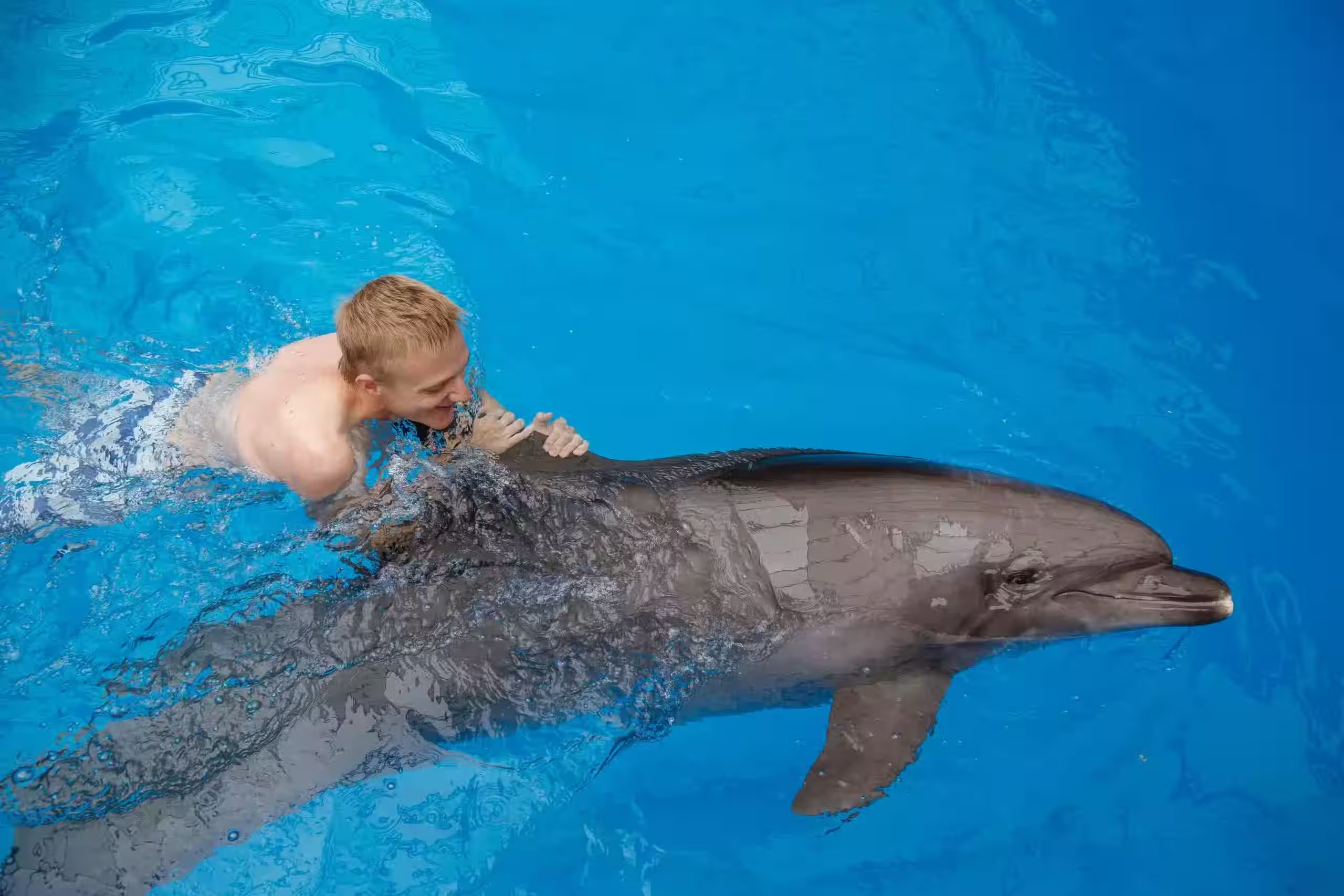
One of the most sought-after activities to do in Zanzibar is swimming with dolphins. It provides the exhilarating opportunity to swim with spinner and bottlenose dolphins near Kizimkazi on Unguja’s southern coast. This 2-4 hour trip starts with an early morning guided dhow boat ride to where the dolphins are 1-2 kilometers offshore. There, you can snorkel and swim close to where the dolphins are jumping and socializing. Ethical operators ensure minimal impact by keeping group sizes of 4-8 people and combining the tour with snorkeling on coral reefs, or visiting Kizimkazi’s historic mosque. This is best from June-October and December-February when the seas are calm and visibility is best. This friendly eco-tour with Zanzibar’s rich maritime history is truly a wonderful experience for the whole family and nature lovers, providing glimpses of the Indian Ocean’s wildlife.

FAQ about Zanzibar

What Are The Visa Requirements For Zanzibar?

Zanzibar is part of Tanzania and as such, most nationalities require a visa which is available for US50witha90daysingleentrylimit.Itcanbepurchasedonarrivalorthrougheservices.immigration.go.tz.UScitizensarechargedUS100 for multiple entry. Visa on arrival is issued for travelers with passports valid for 6 months and who are from endemic areas, must bring proof of yellow fever vaccination. E-visas are issued in 2-3 weeks and the info is valid for 2025.

Generally, Zanzibar is safe with low violent crime rates, however, Stone Town is known for petty theft such as bag-snatching, so hotel safes should be used and isolated beaches avoided at night. Respect conservative Muslim culture by dressing modestly outside resorts. There is a risk for malaria, so repellents and prophylactics should be used. Political stability is high, however for US alerts STEP can be enrolled in. There is a need for travel insurance with evacuation.

Lightweight, breathable clothing is a must. For non-beach areas, wear modest clothing. Pack swimwear, reef-safe sunscreen, a wide-brimmed hat, bug spray, cover-ups, and comfy sandals. Bring a light jacket for evenings, which are 18-25°C (64-77°F). Don’t forget to pack Type G plug adapters, water bottles, and necessary medicines like anti-malarials. Cash, in USD or TZS, is also accepted. For the wet season, pack rain gear, and remember to get permits before flying drones.

In Stone Town, guesthouses cost 30 to 50 USD a night. In the 100−200 range, mid-category beach bungalows are available. For more luxurious stays, indulge in The Residence or Essque Zalu resorts that start at $300. Pemba houses eco-lodges that focus on sustaniblity, and have popular beachfront properties that need to be booked 6-12 months before peak season.

Travelers estimate their budget for Zanzibar differently based on their travel style. Budgeting 50 to 100 dollars a day covers hostels and food, For mid-range travelers, hotels and planned meals would land them 150 to 300 dollars a day. Luxury travelers start at 400 dollars a day and enjoy stays at resorts and have private transport. When flying in from Europe, expect to pay 600 to a 1000 for a round trip, with an additional 50 for visa and snorkel excursions starting at 50-100. Don’t forget the 10-15% tip for services on top of the quoted tax, for a cheaper package of 1500-3000 outside international travel flights.