Lake Manyara National park

Welcome to Lake Manyara National park

Situated on the safari path of Northern Tanzania is the spectacular Lake Manyara National Park which is renowned for its sodic lake, refreshing groundwater forests, diverse wildlife, and the breathtaking Great Rift Valley escarpment. What makes this UNESCO Biosphere Reserve special is its breathtaking 200 square kilometers lake and diverse wildlife including the world-famous, tree climbing lions, elephants, baboons, and flamingos. Lake Manyara is located 126 kilometers from Arusha in the Manyara Region which makes it easy to access. The park offers wildlife encounters, boat safaris, and is a convenient escape from larger parks like Serengetti. You will always have a wonderful experience at Lake Manyara, be it watching hippos and birds, or cycling through the savanna.

Map of Lake Manyara National park

It stretches from the escarpment of the Great Rift Valley down south of the Alkaline Lake Manyara, which is the southern part of the Lake Manyara National Park, Tanzania, to the famous town of Arusha, which is 126 Kms to the North East. Towards the North West of the park, the conservation Ngorongoro is situated, while to the south east lies the Tarangire National Park. Lake Manyara, the centerpiece of the park, is ringed by lush forests and lies amidst acacia woodland alongside open grasslands. Areas of interest are the Msasa Gate and the Hippo Pool, which is a haven for water-dwelling wildlife, and even the hot springs (Maji Moto) in the southern part of the park. Within Tanzania, driving from Arusha is the more popular choice of transport, and the park is a 2 hour trip by car, and for those coming from further afield need to take a flight to the Lake Manyara Airstrip which is a 20 minute drive from the park. TANAPA provides maps with marked routes and cabins which add to the simplicity of navigation.

Meaning of the word Lake Manyara National park

The term “Manyara” came from the Maasai “emanyara” meaning a type of finger euphorbia (Euphorbia tirucalli) which is a spiny plant used by the Maasai for making bomas, structures for containing cattle. The name demonstrates the cultural history of the area as well as the importance of the lake as a natural resource for the people and animals, illustrating the relationship of the region and its inhabitants.

Best Time to Visit Lake Manyara National park

While people can visit Lake Manyara throughout the year, it’s best to explore the park during the dry months from June to October.

During this period, the wildlife are easier to spot as they gather around the water bodies for sustenance. Visitors can see elephants, lions, and hippos, with the thermostat hovering between 20-25°C (68-77°F) during the day and much cooler at night.

During the dry season, the park is perfect for game drives and canopy walks. During the wet months from November to May, however, the park becomes a sprawling green paradise, bringing with it migratory birds and flamingos which peak from November to April.

That said, the heavy rains between March and May can make some roads difficult to drive on and increase the risk of malaria. May and November are nice as they provide a balance between low to moderate crowds, vibrant scenery, and even potential cost savings.

giraffe African safari wildlife grassland

Why You Should Visit Lake Manyara National park

Reasons Why You Should Choose Lake Manyara National Park

If you love nature, Lake Manyara is a gem waiting to be discovered. Lake Manyara National Park provides its visitors a unique safari experience that entails encountering diverse ecosystems, some of which include hot springs, open savannas, and alkaline lakes. Listed below are “reasons to explore Manyara Lake National Park.”

Acacia Tree Climbing Lions

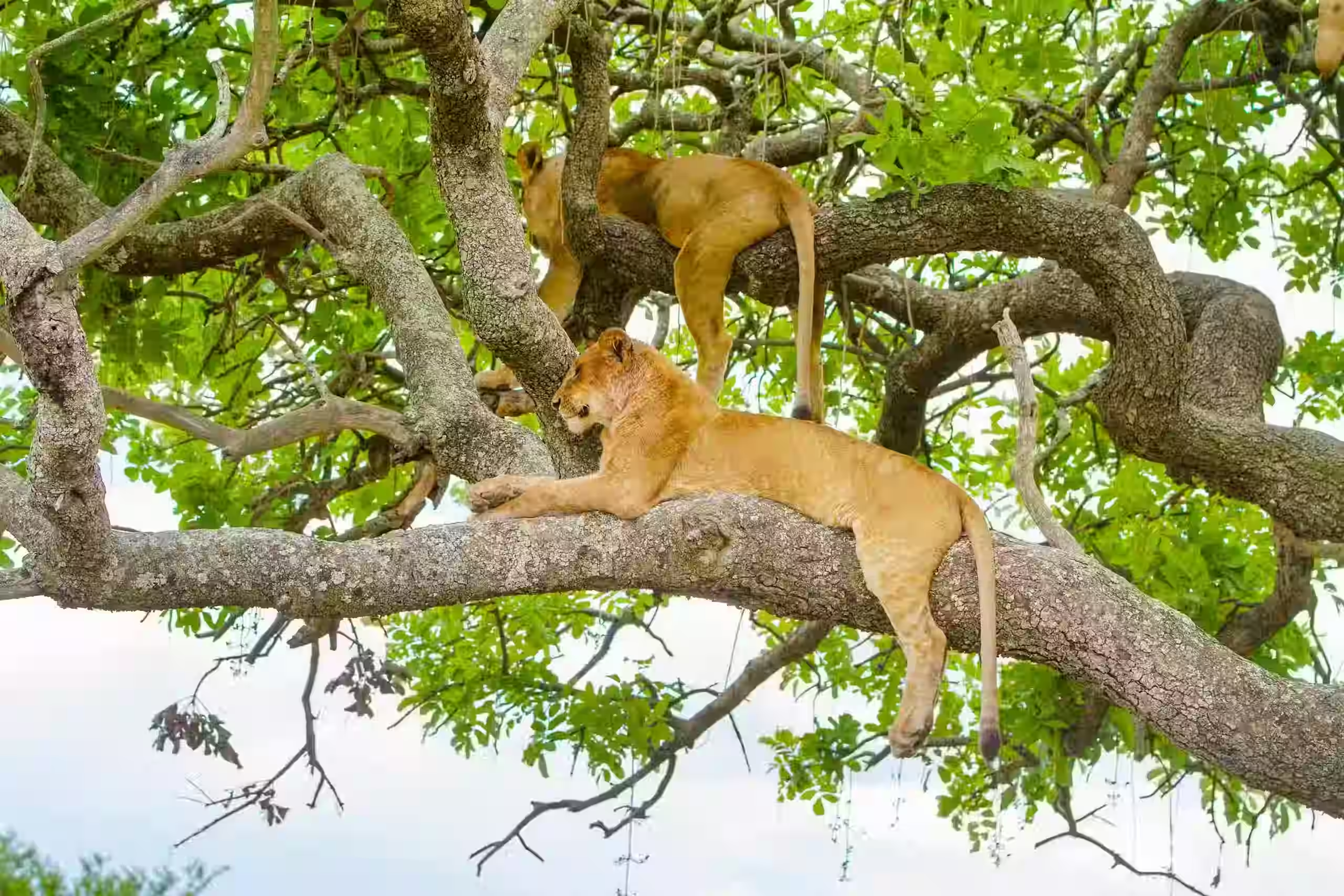
The Manyara lions are famous for their unusual habit of climbing and resting in acacia trees. This habit of unique game drive sightings, particularly in the park’s northern forests, is a captivating addition to your safari. These game drive sightings are particularly amazing during the dry season.

An Abundance of Birds and Flamingos

The park is a true paradise for bird lovers. With 400 bird species, a favorite is the flamingos. Similarly to many lakes in East Africa, Manyara Lake attracts the flame pinked birds during the wet season. Manyara also has a weakly endemic ashy starling which makes its avid birdwatcher’s paradise.

Two Hot Springs, A Ground Water Forest With Baboons, And A Swamp

If you are planning on a shorter trip, then Manyara is the perfect park for you as its various habitats include: groundwater forests, open savannas, alkaline lakes, hot springs and swamps which serve numerous birds.

Abundant Elephants: Giraffes: Buffalo: Hippos: Leos: And Baboons

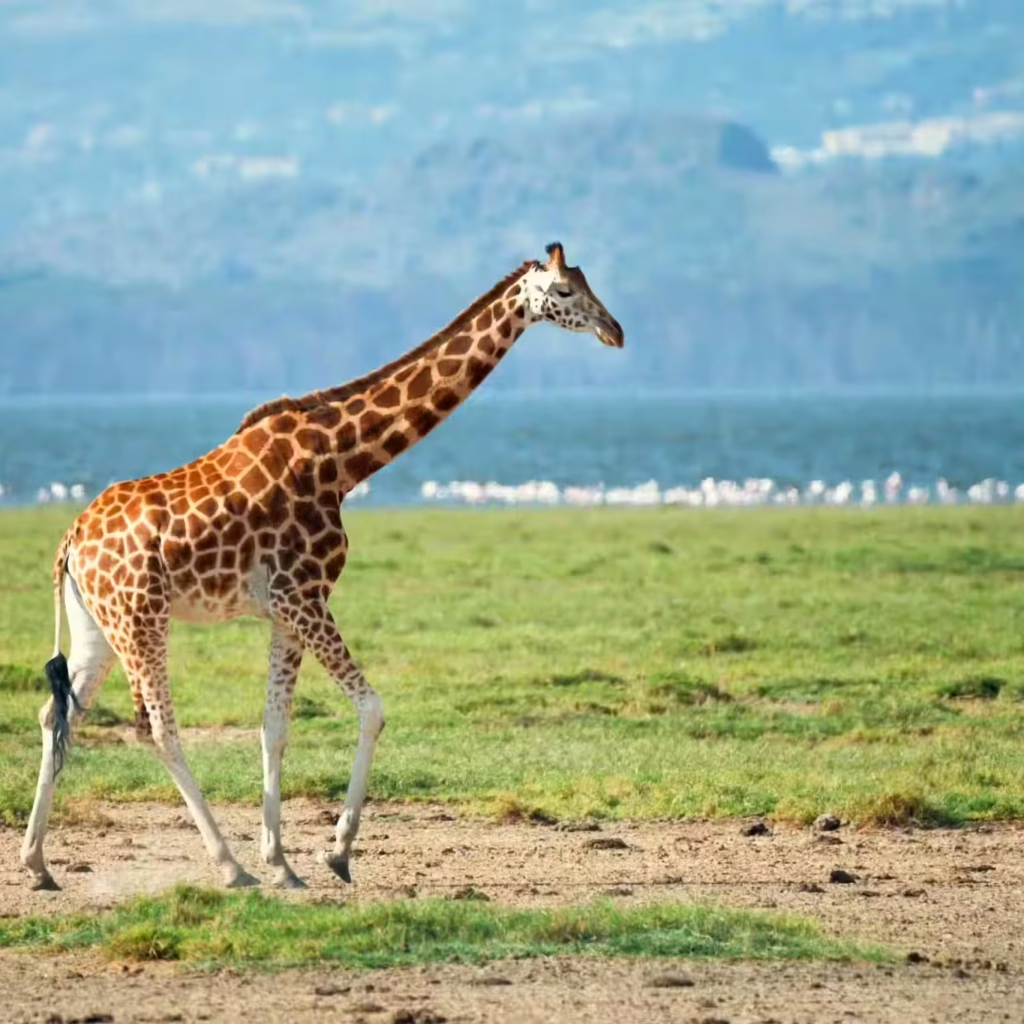
The park also has good populations of elephants, giraffes, buffalo and hippos, also there are many elephants in the park, leos and abundant baboons. These enhance the excitement of the game drives as you are often in close proximity to the big five minus the rhinos.

Scenic Rift Valley Views:

The lush forests, shimmering lake, and towering escarpment backdrop the incredible Rift Valley View. It is photographer and nature lover friendly especially with lookout locations situated near the northern entrance.

Activities done in Lake Manyara National park

Tree-Climbing Lions

Tree-climbing lions are without a doubt the highlight of Lake Manyara National Park. This peculiar behavior of lions resting in acacia trees either to avoid biting insects, the heat, or even to keep an eye on potential prey is a rare sight to behold. This activity is best on game drives through the northern groundwater forests which can be done in 4×4 vehicles. These Guided drives that last around 4 to 6 hours greatly improve the chances of sighting the tree-climbing lions, which are usually seen resting on the branches with elephants and baboons. These drives can also be combined with canoe safaris on the lake for a view of the hippos and birds or a canopy walk for a treetop view, giving a thrilling multi-dimensional exploration of this behavior in a fertile setting.

FAQ About Lake Manyara National park

How do I get to Lake Manyara National Park?

Manyara National Park is located 126 kilometers from Arusha, which is a 1.5-2 hour drive through a Msasa gate. You can also fly from Arusha or Kilimanjaro International Airport to Lake Manyara Airstrip with Coastal Aviation, which takes around 20-30 minutes. 4×4 cars are preferred, especially in the wetter months, but safari operators provide vehicle transfers. The park is open from 6:00 am to 6:00 pm.

Most foreign travelers require a visa which can be purchased online or upon arrival in US for 50 bucks and for US citizens, 100. The visa is valid for 90 days. The passport also needs to be valid for 6 months. It is recommended to apply through Tanazania’s immigration website to avoid delays. Some east african countries also have exemptions. Always confirm the rules beforehand.

The park is safe to visit with guided safaris. Wildlife incidents are infrequent; as long as you remain in vehicles or come with a ranger. Crime is low in the park, however, in nearby towns like Mto wa Mbu, it is advisable to take precautionary measures. Malaria risk is present (higher in the wet season); take repellents, nets, and prophylactic medications. It is best to have travel insurance with evacuation coverage. Enroll in programs like the U.S. STEP for alerts.

Items to pack include clothing in neutral colors, lightweight long sleeves and pants to protect from the sun and bugs, a jacket for cool nights (down to 10°C/50°F), sturdy shoes, a hat, sunscreen, insect repellent, binoculars, camera, flashlight, a refillable water bottle, and necessary medications. Rain gear is a must for wet season visits. Bright colors should be avoided to blend with the environment.

There are luxury lodges such as Lake Manyara Serena Lodge which has stunning views of the lake, mid-range Escarpment Luxury Lodge which is a tented camp, and budget public campsites located near the park entrance. Most of the accommodations have all-inclusive packages which consists of meals and guided drives, which is ideal for long-term bookings, especially for peak season. Mto wa Mbu has additional hotels for day trips which could add value.

Prices depend on the safari style, budget safaris range from 150−250, mid-range safaris are 300−500, and luxury safaris start from 600.Thisalsoincludeslodgings,meals,drivesandentryfees.Toadd,parkentryis45 per adult per day and additional vehicle fees. Other expenses include tips (10−15/guide)andpassportflights(100-200). TANAPA continues to update their rates, so packages from operators could have used discounts.