Ruaha National Park

Welcome to Ruaha National Park

A bit of secrecy adds to the thrill of an adventure. Ruaha National Park has earned its name as a secret national park in Tanzania, known for its hidden, remote and unspoilt wilderness. This national park covers 7,809 square miles (20,226 sq km), making it the largest in Tanzania and one of the largest in Africa. The Great Ruaha River runs through this national park, serving as a crucial source of life for flora, wildlife, and nearby tribal groups that have thrived for centuries. Despite the size of this national park, there are only a handful of camps and accommodations found here, making it one of the off-beaten spots in Tanzania. The untamed wilderness and unique crossover habitats of Ruaha National Park make it an ideal destination for East African safari-goers.

Map of Ruaha National Park

Situated in the south and central part of Tanzania, Ruaha National Park is a part of the larger Rungwa-Kizigo-Muhesi ecosystem. The stunning Ruaha River travels from the south-eastern region of the park and is the focal point for game viewing within the 20,226 km² park, especially during the dry season. The Mdonya woodlands and the Mbage-Mwagusi circuit are attractive spots. Ngalambulwa Mountain is the park’s highest point, reaching 5,250 feet (1,600 m). Grasslands and rocky terrain also contribute significantly to the park’s varied landscapes. Although this destination is quite large, major parts of the park are not very accessible, thereby allowing fewer tourists. Getting to Ruaha National Park is best achieved by light aircraft from Dar es Salaam or Arusha to Msembe or Jongomero airstrips.

Meaning of the word Ruaha National Park

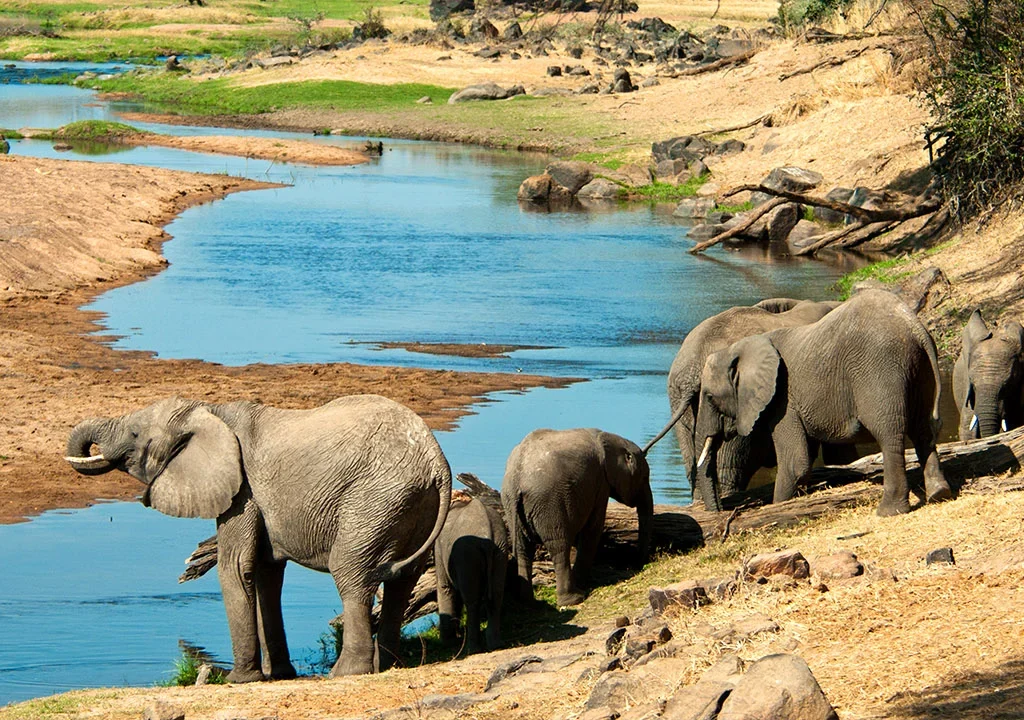
The term “Ruaha” derives from the Hehe word Luvaha, meaning “River,” referring to the Great Ruaha River in Tanzania. The river is the lifeline of the Ruaha National Park, shaping its ecosystems, wildlife movements and seasonal experiences. Especially during the dry season, the river becomes a vital water source, attracting large concentrations of various animal species and enhancing game-viewing opportunities. The name Ruaha reflects the river-centric flora and fauna that naturally inhabit this region, which shelter one of the largest elephant herds in Africa.

Best Time to Visit Ruaha National Park

While people can visit Ruaha National Park throughout the year, it’s best to explore the park during the dry season from June to October. 

During this time, the temperature ranges from 25°C to 32°C (77°F to 92°F) during the day and is much cooler at night. Rainfall during the dry season is very little to nil, making it easier for flights both via Arusha and Dar es Salaam. Whereas temperatures in the wet season range from 28°C to 29°C (82°F to 84°F), but with very high rainfall and humid weather. 

Most wildlife gather near major water resources like the River Ruaha, making it easier for game viewers and photographers to spot animals, travel flexibly along accessible roads, and avoid the deadly Tsetse flies. The green season, from January to March/April, calls for birding safaris amid lush green backdrops. However, muddy roads and dense forestation might make travel more difficult, making major areas inaccessible to tourists. 

African elephant family near river in savannah wildlife safari landscape

Why You Should Visit Ruaha National Park

Reasons Why You Should Choose Ruaha National Park 

Looking to uncover a hidden gem? Ruaha National Park is waiting to be explored. As a secret national park in Tanzania, this destination boasts an almost untouched, unexplored ecosystem, making the visitors’ safari experience very unique. Listed below are “reasons to explore Ruaha National Park.” 

Remote and Scenic Landscapes
Ruaha National Park is ideal for safari-goers seeking remote, scenic landscapes, away from the famous, crowded national parks. The unspoiled, natural beauty of the national park offers off-the-beaten-track adventures, especially for ornithologists, researchers, photographers, and premium safari-goers. 

Wildlife
Vast populations of elephants inhabit the Ruaha National Park, along with predators such as lions, leopards and endangered African wild dogs. Over 570 bird species are found in this region, making it an ideal spot for bird enthusiasts. 

Walking Safaris
Ruaha offers some of the best walking safari experiences in Tanzania. Since there are fewer game drives in this park than in others, walking safaris are more pleasant. However, the driest months, such as August, should be avoided to avoid difficulty on the usual safari trails. 

Boating Safaris 
The Usangu wetland area offers boating safaris during the wet season. With the assistance of an experienced safari guide, the meandering channels offer a thrilling waterways adventure while providing views of birds and elephants.

Activities done in Ruaha National Park

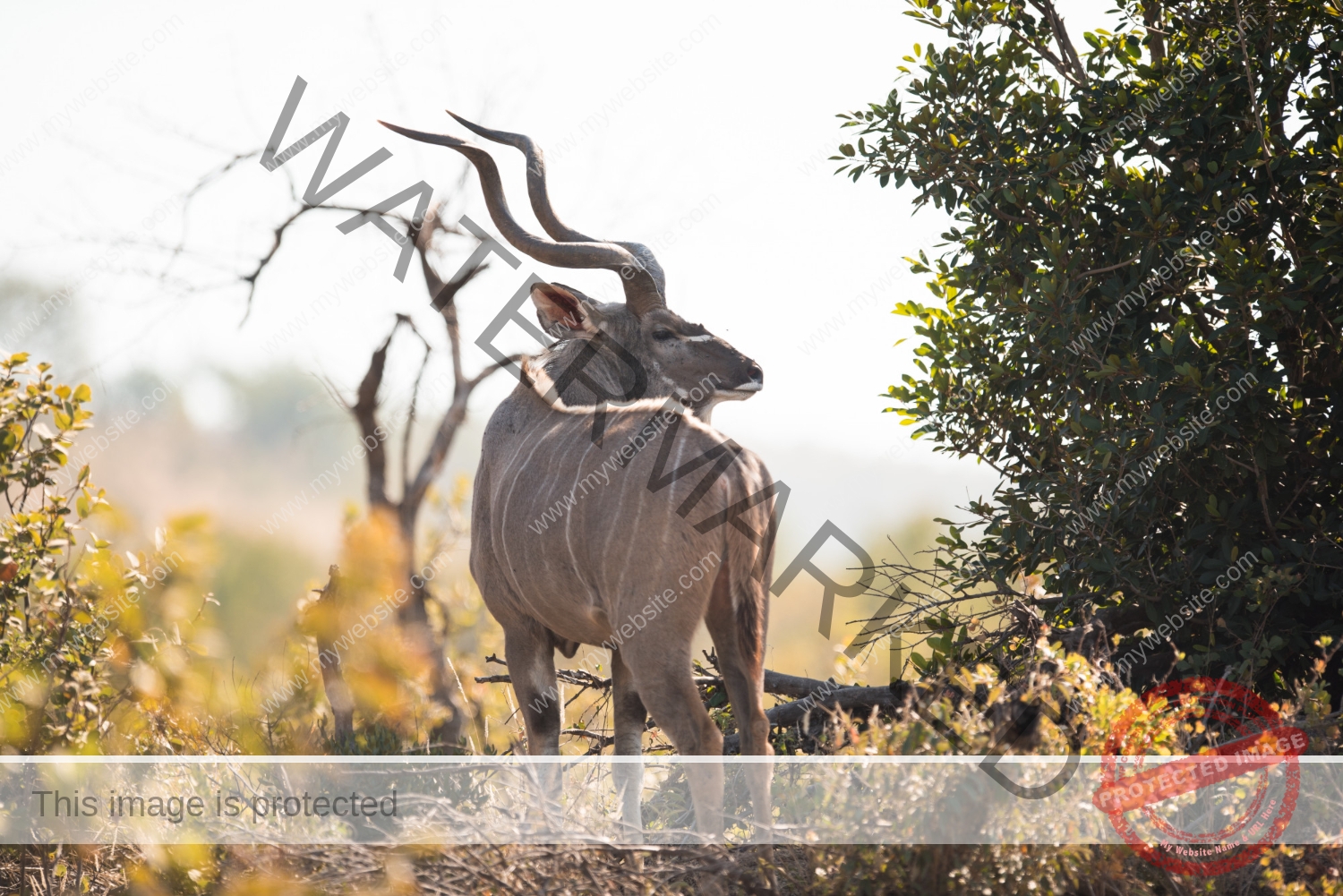
Greater Kudu

Ruaha National Park is the premier destination for spotting the antelope species, Greater Kudu (Tragelaphus strepsiceros). This national park is often considered the key location for spotting both greater and lesser kudu (Tragelaphus imberbis). These large, elusive, spiral-horned antelopes are well-adapted to Ruaha’s dry and acacia-rich landscapes. Dry Season (June to October) is the best time to spot both lesser and greater kudus while game viewing in 4×4 vehicles. In certain cases, guided walking safaris are also the best tours for spotting the usually shy antelopes, which avoid intriguing company. Apart from these, explore areas around the rivers and the foothills of the rocky kopjes, such as Mwayiui or Kibiriti. During the dry seasons, these rivers become the main source of water for wildlife, making the kudu species easier to spot.

FAQ about Selous Game Reserve

Is Ruaha suitable for first-time safari travellers?

Ruaha is better suited for travellers seeking a more raw, less commercial safari. While first-timers can enjoy it, it is especially appealing to those looking for exclusivity and deeper wilderness immersion.

Ruaha National Park is a famous, uncrowded destination for massive elephant herds and high predator densities, including African lions, wild dogs, leopards, and cheetahs. Along with these, you may spot antelope species such as greater and lesser kudu, as well as over 570 bird species.

Yes, Ruaha National Park is safe for visitors when travelling with experienced guides and reputable safari operators. Like many wilderness areas, tsetse flies are present but manageable. Wear neutral-coloured clothing, avoid dark colours, and follow your guide’s simple guidance to stay comfortable throughout your safari.

Access is typically via domestic flights from Dar es Salaam or other major hubs to nearby airstrips. Road travel is possible but lengthy and less commonly preferred by international visitors.

Its remote location and limited access points naturally restrict visitor numbers. This creates a more private safari experience with minimal vehicle congestion during wildlife sightings.

Pack lightweight, neutral-colored clothing, comfortable walking shoes, a wide-brim hat, sunscreen, insect repellent, and binoculars. Given the warm climate of southern Tanzania, breathable fabrics are essential. A light jacket is useful for early morning and evening game drives.