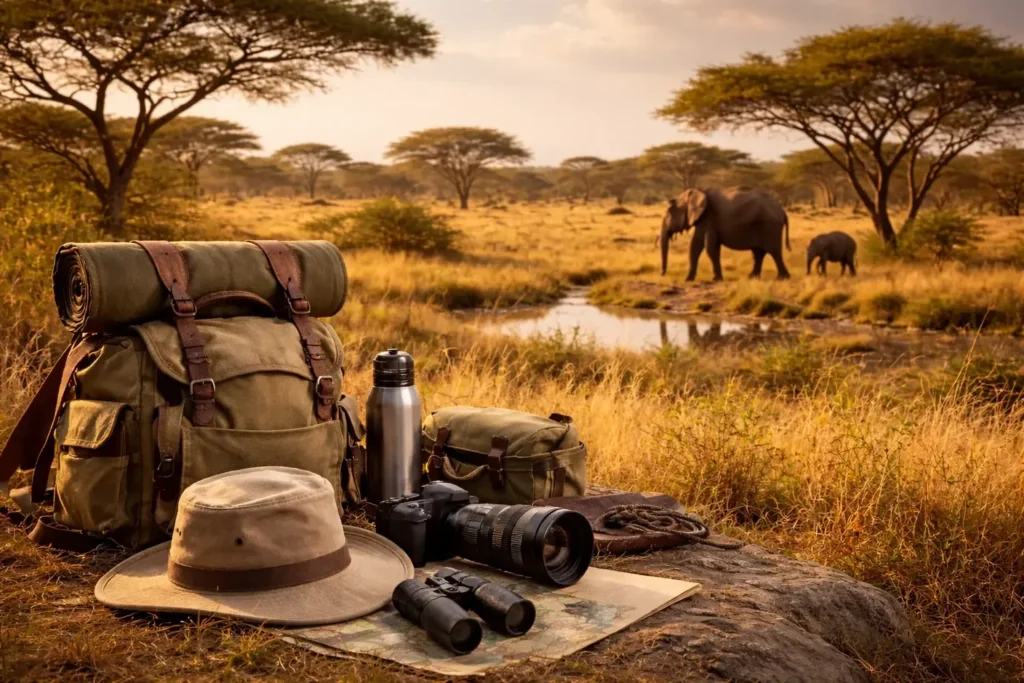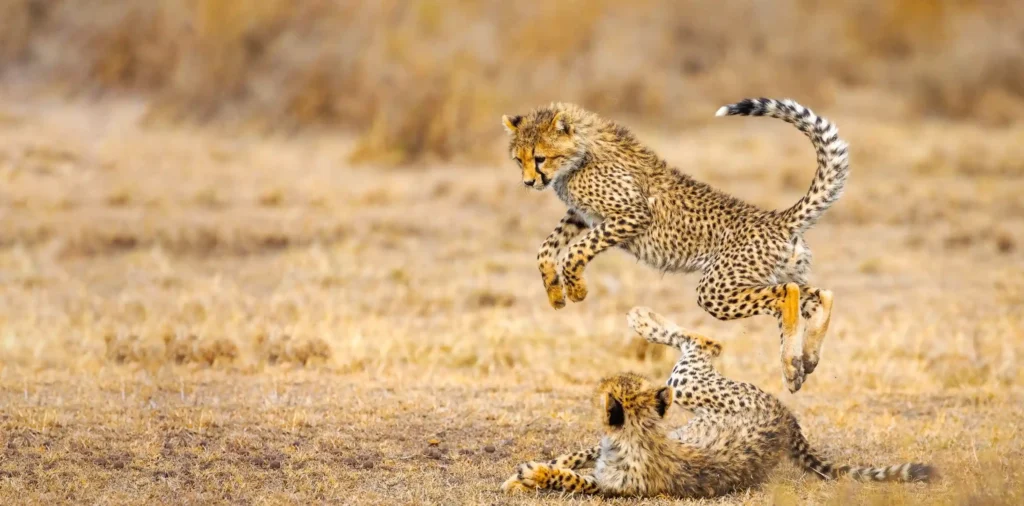
The Serengeti is one of the world’s most iconic safari destinations, attracting travelers from across the globe with its extraordinary wildlife, breathtaking landscapes, and the spectacular Great Migration. Located in northern Tanzania, the Serengeti ecosystem covers approximately 30,000 square kilometers and supports one of the largest concentrations of wildlife in Africa.
A common question among travelers is: When is the best time to visit Serengeti National Park? The answer depends on what you want to experience. While the Serengeti offers excellent wildlife viewing year-round, certain months are better for witnessing specific stages of the Great Migration, predator action, river crossings, or calving season.
This guide explains the best times to visit the Serengeti and what you can expect throughout the year.

Is There a Bad Time to Visit the Serengeti?
The simple answer is no.
Unlike many safari destinations, the Serengeti provides exceptional game viewing throughout the year. Wildlife remains abundant in every season, and each period offers unique experiences.
Whether you visit during the dry season, calving season, or migration river crossings, the Serengeti delivers unforgettable safari adventures.
Understanding the Great Migration
The Great Migration is the largest overland wildlife migration on Earth.
Every year, more than:
- 1.5 million wildebeest
- 200,000 zebras
- Hundreds of thousands of gazelles
move through the Serengeti ecosystem in search of fresh grazing and water.
This continuous cycle creates one of nature’s most remarkable spectacles and is the primary reason many visitors choose a Serengeti safari.
Best Time to Visit Serengeti for the Great Migration
December to March: Calving Season
The southern Serengeti and Ndutu region become the center of migration activity during these months.
Highlights include:
- Thousands of wildebeest calves born daily
- Excellent predator sightings
- Large herds spread across the plains
- Beautiful green landscapes
- Outstanding photography opportunities
By February, approximately 500,000 wildebeest calves may be born within a few weeks, attracting lions, cheetahs, hyenas, and leopards.
This is considered one of the most dramatic wildlife experiences in Africa.
April to May: Green Season Safari
April and May mark the long rainy season.
Benefits of visiting include:
- Fewer tourists
- Lower accommodation rates
- Lush scenery
- Excellent birdwatching
- Dramatic landscapes
Although occasional rain occurs, wildlife viewing remains rewarding, and photographers often appreciate the vibrant colors and fewer vehicles in the parks.
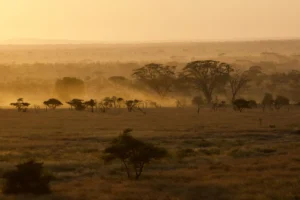
June to July: Migration Movement
As the dry season begins, massive herds start moving northward through the central and western Serengeti.
During this period visitors can enjoy:
- Huge concentrations of wildebeest
- Active predator encounters
- Pleasant weather conditions
- Excellent general game viewing
This is one of the most popular times for a Tanzania safari.
July to October: Mara River Crossings
Many safari enthusiasts consider this the ultimate Serengeti experience.
The northern Serengeti hosts the famous Mara River crossings, where wildebeest and zebras attempt to cross crocodile-filled waters while predators wait nearby.
Highlights include:
- Dramatic river crossings
- Exceptional wildlife action
- High predator activity
- Dry-season game viewing
- Spectacular photography opportunities
Because crossings are unpredictable, no operator can guarantee exactly when or where they will occur. However, July through October generally offers the best chances.
November: Short Rains and Migration Return
November marks the beginning of the migration’s journey back toward the southern Serengeti.
Visitors can enjoy:
- Fewer crowds
- Fresh green landscapes
- Active wildlife
- Good value safari packages
This shoulder season often provides an excellent balance between wildlife viewing and affordability.
Best Time to Visit Serengeti for Wildlife Viewing
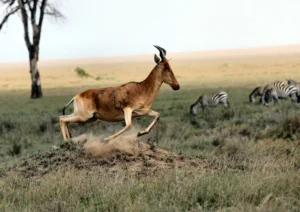
If your primary goal is seeing animals rather than focusing solely on the migration, the dry season is particularly rewarding.
June to October
Advantages include:
- Easier wildlife spotting
- Sparse vegetation
- Animals gathering near water sources
- Comfortable safari weather
- Excellent predator sightings
This period is often regarded as the best all-around safari season.
Best Time for Birdwatching in Serengeti

Bird enthusiasts should consider visiting between November and April.
During this period:
- Migratory bird species arrive
- Breeding plumage becomes visible
- Wetlands attract numerous species
- Bird diversity peaks
The Serengeti is home to more than 500 recorded bird species, making it one of Africa’s premier birding destinations.
Serengeti Weather by Season
Dry Season (June–October)
- Sunny days
- Cooler mornings
- Minimal rainfall
- Excellent game viewing
Green Season (November–May)
- Warmer temperatures
- Periodic rainfall
- Lush vegetation
- Outstanding photography opportunities
Both seasons provide memorable safari experiences, depending on traveler preferences.
Best Time to Visit Serengeti for Different Experiences
| Experience | Best Time |
|---|---|
| Great Migration Calving | January–March |
| Predator Action | January–March |
| General Wildlife Viewing | June–October |
| Mara River Crossings | July–October |
| Birdwatching | November–April |
| Photography | January–March & November–May |
| Fewer Crowds | April–May & November |
| Budget Safari | April–May |
Why Serengeti Is Worth Visiting Year-Round
Few destinations on Earth offer the consistency of wildlife experiences found in the Serengeti.
Visitors can encounter:
- Lions
- Leopards
- Cheetahs
- Elephants
- Buffaloes
- Giraffes
- Zebras
- Wildebeest
- Hyenas
throughout the year.
Combined with spectacular scenery and the ever-changing movement of the Great Migration, every season provides something unique.
Conclusion
The best time to visit the Serengeti depends on the experience you are seeking. For calving season and predator action, January to March is ideal. For the famous Mara River crossings, plan your safari between July and October. If you want excellent wildlife viewing with pleasant weather, the dry season from June to October is often considered the best overall period.
Regardless of when you visit, the Serengeti remains one of Africa’s greatest safari destinations, offering unforgettable wildlife encounters and the chance to witness one of nature’s most extraordinary spectacles the Great Migration.