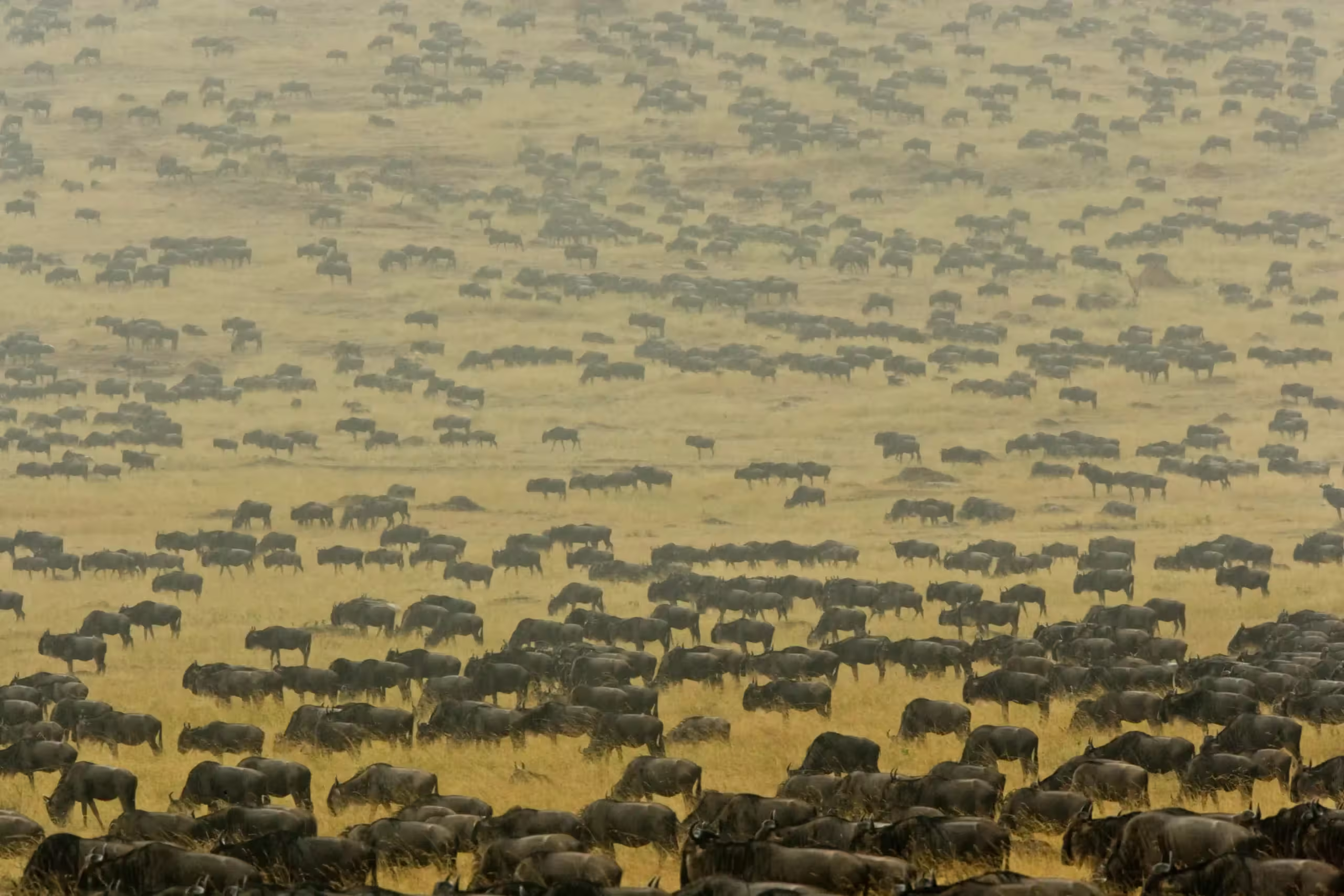
Selous Game Reserve

Welcome to Selous Game Reserve

Situated in the southern safari circuit of Tanzania, Selous Game Reserve is one of the most rewarding safari destinations in the country. Selous Game Reserve, now known as Nyerere National Park, is Tanzania’s largest protected area. An area of 50,000 to 54,600 square kilometres (19,000 to 21,000 square miles) of protected land had remained under the name ‘Selous’, while larger parts have changed to Nyerere National Park. Established in 1922, Selous Game Reserve is one of the oldest protected conservation areas and was designated a UNESCO World Heritage Site in 1982. This national park offers safari travellers an out-of-this-world safari experience, with fewer crowds and more of the untamed wilderness.

Map of Selous Game Reserve

Mikumi National Park bounds the Selous Game Reserve to the north and extends over an expansive wilderness defined by rivers, wetlands and savannahs. The mighty Rufiji River flows through the game reserve, and is one of the top safari destinations. The primary gateway, Dar es Salaam, lies in the north; however, the park remains free from the busier Northern Safari Circuit. Key safari destinations include Stiegler’s Gorge along the Rufiji River and the interconnected lakes that attract prolific birdlife. The landscape is a mix of miombo woodlands, open plains, and riverine forests, making it an ideal habitat for elephants, wild dogs, crocodiles, and other wildlife. It takes approximately. 2.3 hours via light aircraft flight from Arusha and approx. 4-5 hours via drive from Dar es Salaam.

Meaning of the word Selous Game Reserve

The name ‘Selous’ came from the British hunter and writer Frederick Courteney Selous. This is the world’s largest protected game reserve and is considered “The World’s Largest Unspoilt Wilderness.” As a part of the Selous Game Drive, the Nyerere National Park is named after Tanzania’s founding president, Julius Nyerere. The term ‘Nyerere’ in Swahili means teacher and is of Zanaki origin, meaning ‘caterpillar’, a reference to the local plague from which our founding President emerged at birth.

Best Time to Visit Selous Game Reserve

The best time to visit Selous Game Reserve is during the dry season (June to October), which is also Tanzania’s peak season. The temperature ranges from 25°C to 32°C (77°F to 92°F) during the day and is much cooler at night. 

Rainfall during the dry season is very little to nil, making it easier for flights both via Arusha and Dar es Salaam. During the dry season, the park is perfect for game drives and clear wildlife viewing, particularly from August to October, while animals gather near water sources. Reduced rainfall during the dry season offers better road conditions, lower humidity adds to comfort in game drives, and a lower risk of mosquitoes.

The second most favourable time to visit Selous Game Drive is in January and February. This season is favourable for birdwatching, as various migratory birds visit this destination in the wet season. Heavy rainfall brings out the lush greenery, making this region ideal for photography. However, the roads are muddy, and communication difficulties may arise during game drives.

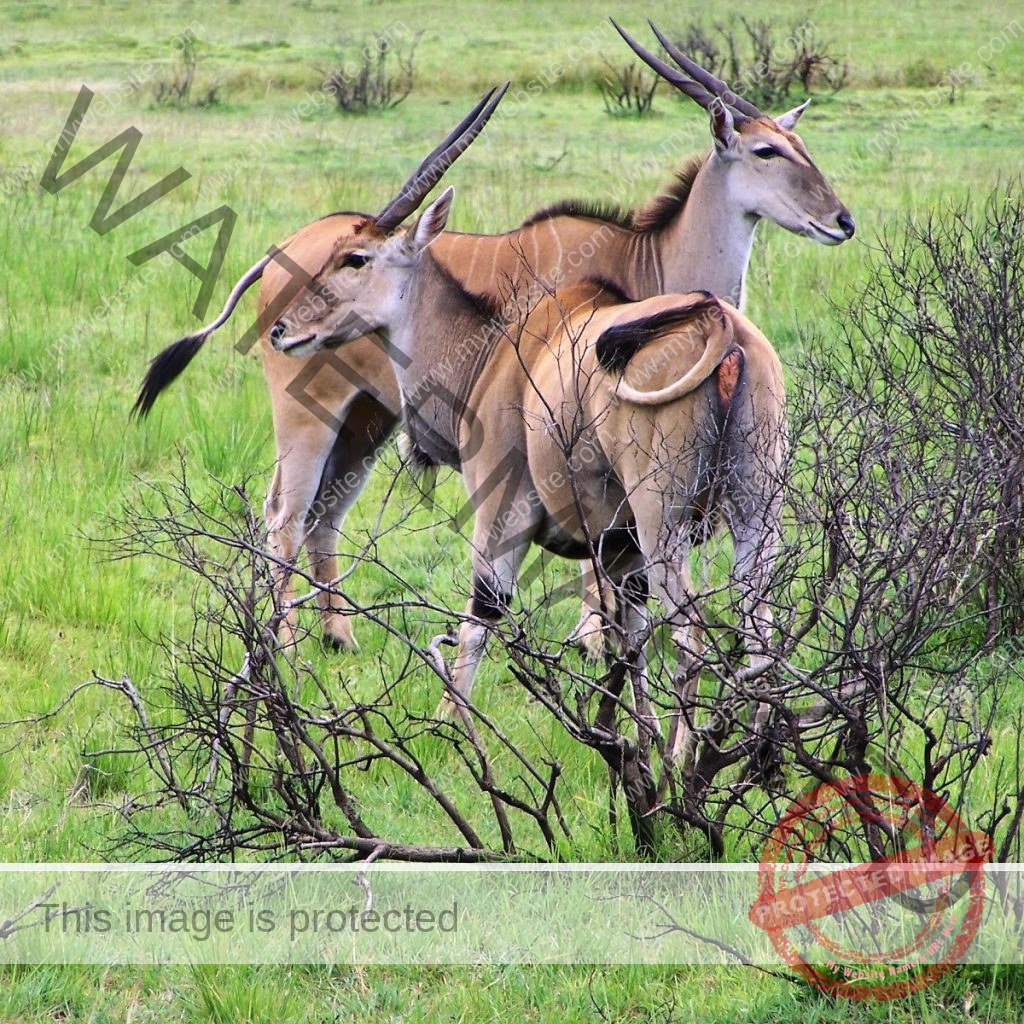
Eland antelopes in green savannah during Visit To Tanzania wildlife safari

Why You Should Visit Selous Game Reserve

Reasons Why You Should Choose Selous Game Reserve 

If you are tired of all the crowds going to Serengeti or Lake Manyara, then it’s time for a less crowded destination for the best African safari holidays. Selous Game Reserve is an off-beaten spot, but it offers travellers a serene experience. Listed below are the “reasons to explore Selous Game Reserve.”  

Massive & Untouched Wilderness 
Selous Game Reserve (currently a part of Nyerere National Park) is the largest protected area in Tanzania, and the largest protected game reserve in Africa. The vast conservation area remains largely untouched, preserved by minimal tourist presence. With fewer tourists and vehicles, you’ll enjoy the untouched wilderness without a swarm of safari tourist trucks across other national parks. 

Rare Wildlife Sightings
This national park is one of the best places in Africa for the endangered African wild dogs. One of the highest concentrations of lions is found here, along with massive populations of buffalo, hippos and elephants. 

Birdwatcher’s Paradise 
Over 440 recorded bird species, including migratory avian species from Europe and North Africa, visit Selous Game Reserve. This destination is home to one rare, range-restricted bird, like the Rufous-winged Sunbird, making it a major spot for ornithologists. Birding safaris are common in this region due to fewer game drives and lower crowds. 

Diverse Safari Activities 
Selous Game Reserve offers a variety of safari activities. Major activities include boat safaris along the Rufiji River, walking safaris to track wildlife, and overnight camping under the stars in remote parts of the national park. 

Easy Accessibility 
Typically, it takes about 45 minutes to reach Dar es Salaam by plane. This facility makes it an ideal short safari extension for travellers visiting Zanzibar and the Swahili coast.

Activities done in Selous Game Reserve

African Wild Dogs

African Wild Dogs (Lycaon pictus) are categorised under the endangered animals list. Selous Game Reserve (now Nyerere National Park) hosts one of the largest populations of wild dogs in the world. The vast, untamed miombo woodlands provide an ideal habitat for these animals, helping them thrive freely and away from larger predators and crowded human contact. Wild dogs live in packs and are highly active, social animals, with about 80% success rates in pack hunts. Typically, smaller animals such as impala, wildebeest calves, greater kudu, warthogs, and nyala are eaten by wild dogs. Game drives via 4×4 safari vehicles are the ideal way to locate and see their natural habitats or trails. The best time to see them is during the dry season (June to October), though their elusive nature and vast territories can make them difficult to spot.

FAQ about Selous Game Reserve

How do I get to Selous Game Reserve?

The most convenient way to reach Selous is by a short domestic flight from Dar es Salaam to one of the reserve’s airstrips, such as Mtemere or Siwandu. Alternatively, road transfers are available and typically take around 5–6 hours.

Yes, absolutely, Selous Game Reserve is well-suited for luxury safaris, with a selection of high-end lodges and luxury tented camps. Such accommodations can offer you privacy and personalised, immersive wildlife experiences.

Yes, Selous Game Reserve pairs well with beach destinations like Zanzibar or other southern parks. Fly-in connections from Dar es Salaam make it easy to build a multi-destination itinerary.

Yes, absolutely. Now part of Nyerere National Park, Selous offers a well-balanced safari experience with game drives, boat safaris, and guided walks. Its lower crowd density and high-quality lodges make it an excellent choice for first-time visitors seeking both comfort and authenticity.

Yes, Selous is considered safe for tourists. Professional guides conduct safaris, and camps follow strict safety protocols. Access is typically arranged via Dar es Salaam, with secure transfers and well-managed park operations ensuring a controlled and safe environment throughout your stay.

Prices depend on luxurious levels, group size, and duration but, expect US$450-1700 per person for 3 day tours ranging from mid-level to luxurious, and US$2500-7500 for weekly tours. They cover meals, transport, and accommodation but international flights are excluded. Park entry fees are an additional US$82.60 per adult per day (US$23.60 for children aged 5 to 15). Shared vehicle safari tours are more affordable while private tours balloon rides (US$500+) drive up costs. Don’t forget to include guide gratuities, US$30-50 and visa fees. These costs often provide packages that help save money.