Usambara Mountains

Welcome to the Usambara Mountains

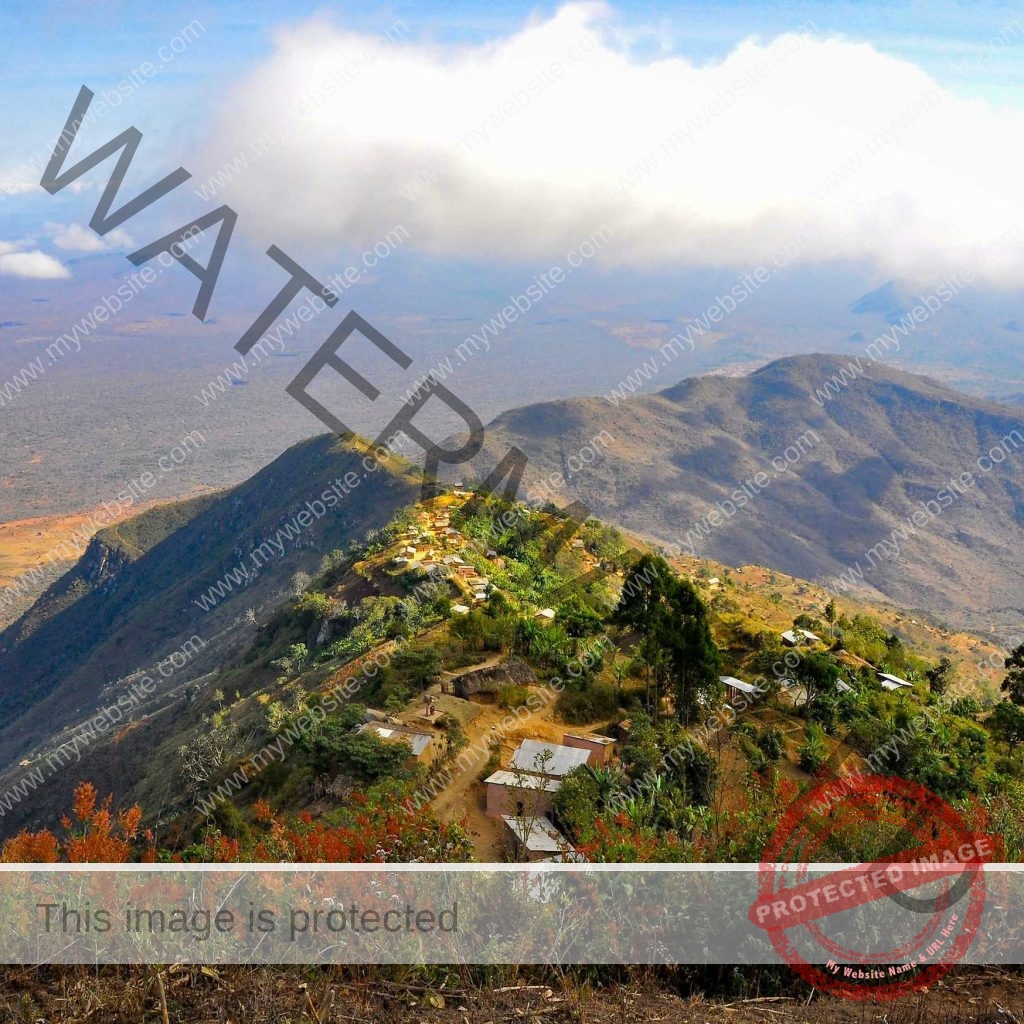
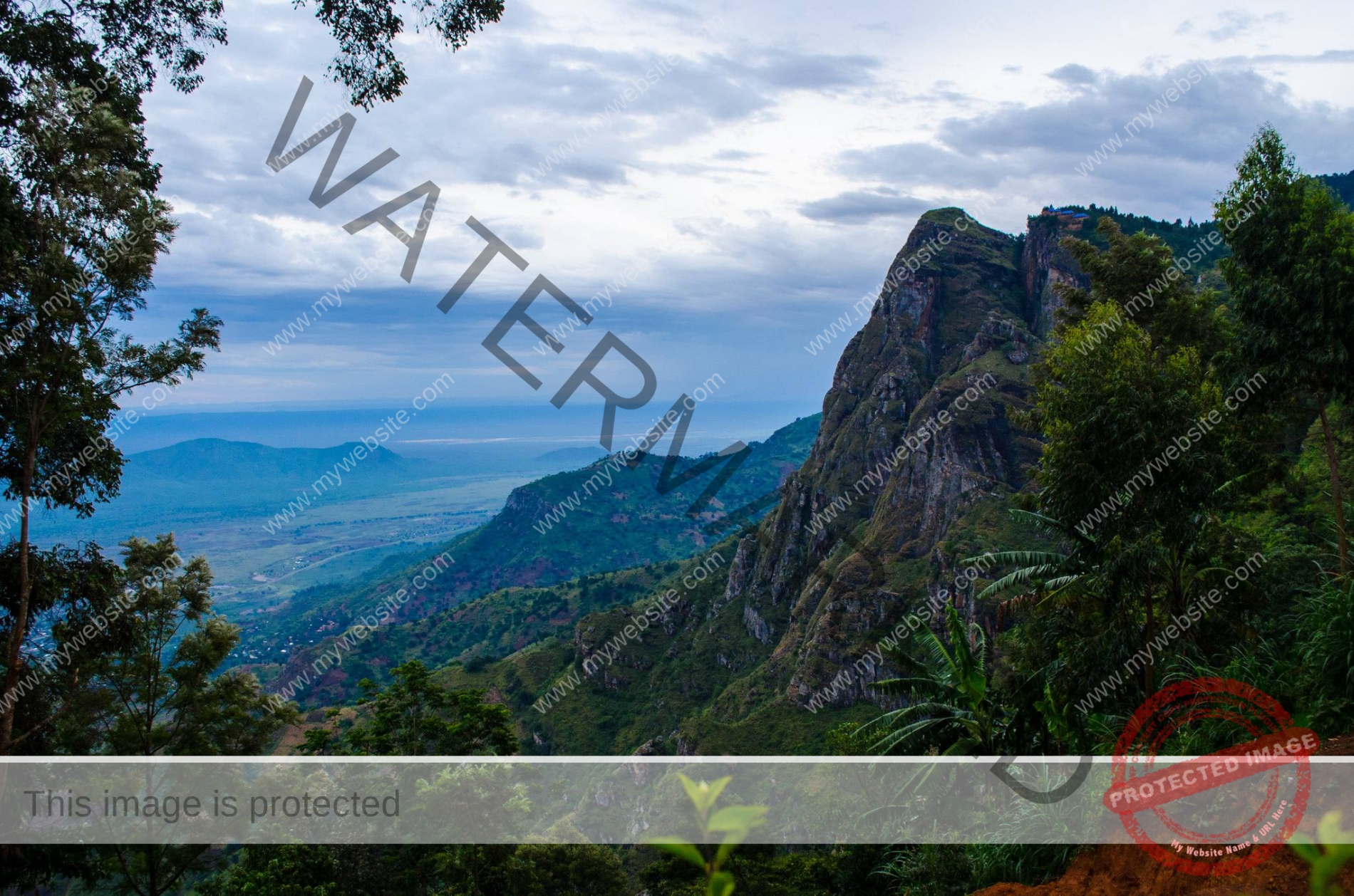
The mountains in our world hold a thousand mysteries, and each story offers a different perspective. The Usambara Mountains are one such natural beauty, offering panoramic views and undiscovered spots, making it a true paradise in Tanzania. Picturesque villages, colourful markets and plantations make this destination a welcome retreat from busy cities and crowded game parks. The mountains are home to an exceptional assortment of plants and animals, representing one of the highest biodiversity on the continent. Unlike the classic image of the savannah in East Africa, this destination offers a lush green view. The virgin tropical rainforest that covers the Usambara Mountains offers a cool climate for hikers and walkers, and it is less crowded than other hiking trails.

Map of Usambara Mountains

The Usambara Mountains are located in the north-eastern side of Tanzania, near Mkomazi National Park, about 110km to the west of Tanga. This mountain is estimated to be 100 million years old, and the rocks forming it may be about 600 million years old. With a length of about 90km and a width of about 50km, their faulting anf uplifting formed nearly 2 million years ago. The range is divided into both the East Usambara and the West Usambara mountains. The West Usambara Mountains are accessible from Lushoto, the East Usambara Mountains from Amani Nature Reserve, and both can be reached from Muheza.

Meaning of the word Usambara Mountains

The term “Usambara” is derived from the local language of the Shambaa or Washambaa people. When interpreted, the term stands for “scattered”, referring to the lifestyle of the Washambaa people. Like the indigenous inhabitants of the mountain, diverse species of flora and fauna similarly scatter across the lush rainforest. This exceptional diversity attracts naturalists and nature lovers from around the world, who come to watch birds, study trees, and enjoy a quiet escape into the wilds of Tanzania.

Best Time to Visit Usambara Mountains

The climate at this destination is generally comfortable year-round; the most favourable time is during the Dry Season (June to October). 

During this period, the temperature remains around 20-25°C (68°-77°F) during the day and much cooler at night. Hiking and walking trails become easier, with less vegetation and lower possibilities of rain. On a clear day, you not only can see the grassy plains of Mkomazi but might be lucky to see Kilimanjaro. 

The dry, warm weather from December to February offers a good alternative, with pleasant conditions, lower crowds, and green scenery. However, the risk of sudden afternoon rain remains.

Avoid the wet season from March to May, as heavy rainfalls are expected. This makes the trails muddy, difficult to navigate through and accident-prone. However, many ornithologists visit the mountains from November to April, as this period is ideal for spotting birds and seeing the forests at their most vibrant form. 

Why You Should Visit Usambara Mountains

If you love nature, the Usambara Mountains are waiting to be discovered. Compared to the crowded safari parks and busy sea beaches, a visit to the Usambara Mountains offers a refreshing, cool alternative. Listed below are “reasons to explore the Usambara Mountains”. 

Hiking and Trekking
The Usambara Mountains offer diverse trekking routes, from short-day hikes to multi-day, guided treks, and are often called “The Galapagos of Africa.” The key spots include the panoramic Irente Viewpoint and the dense Magamba Rainforest. 

Stunning Views and Climate 
Known for its dramatic scenery, the mountains offer cool, refreshing air compared to the coastal heat. Spectacular sunsets from the Mambo Viewpoint and serene Kiasa Waterfalls offer stunning views in off-beaten tracks. 

Authentic Culture and Biodiversity 
Visit traditional Shambaa villages to experience the local life, tea farming and vibrant agriculture. The Usambara Mountains are a biodiversity hotspot with unique birds, animals and plants, some of which have significant medicinal value. 

Activities done in the Usambara Mountains

Blue-and-White Colobus Monkeys

Blue-and-White Colobus Monkeys, also known as the Mantled Guereza (Colobus guereza), are native to Central Africa, including the Usambara Mountains in Tanzania. These arboreal, folivorous primates are known for their striking black coats and white mantles with long, bushy tails. The Greek word “colobus” means “mutilated”, referring to the lack of thumbs for these monkeys. This physiological feature facilitates their rapid movement through trees, and they prefer to live in small groups. While hiking or walking through rainforests, one might spot blue-and-white colobus monkeys amidst trees, who’ll be curious about humans visiting their home. They rarely descend to the ground, spending most of their time in the canopy, foraging and resting in groups of 10 to 40 individuals, mainly with one dominant male.

FAQ about Usambara Mountains

What are the must-visit destinations in the Usambara Mountains?

The Irente Viewpoint, Kisasa Waterfalls, Magama Forest, Bangala River, Growing Rock, Mkuzi Waterfalls, Mtae Viewpoint, and Ndelemi Forests are among the key tourist spots in the Usambara Mountains.

Yes, hiring a local guide enhances safety, navigation and cultural insights while directly supporting ecotourism.

Focus on layering for fluctuating temperatures, including comfortable hiking shoes, a waterproof rain jacket, and lightweight, breathable clothing in neutral colours. Due to cool, misty mornings and evenings, bring a fleece or warmer layer, along with long trousers to protect against insects and brush.

Reaching the Usambara Mountains in Tanzania involves travelling to the town of Lushoto, typically by bus or by car from Dar es Salaam (6–7 hours), Arusha/Moshi (5–6 hours), or Tanga (2–3 hours) via the Mombo junction.

Hiring a local guide can help you navigate complex trails. Sturdy hiking boots for uneven terrain, rain gear, about 2 litres of drinking water, some light snacks, sunscreen, and bug spray are common essentials for climbing the Usambara Mountains.

Absolutely. They are increasingly positioned as a “slow travel extension” to balance wildlife safaris with nature, culture, and relaxation.