
Tanzania Travel Guide
Training for kilimanjaro Climbing it is a must, since Mount Kilimanjaro is a dream for many adventurers. Reaching Uhuru Peak, the highest point in Africa, is a remarkable achievement. Proper training is essential for a successful ascent. It involves physical preparation, mental resilience, and understanding the mountain’s challenges. Porters and guides play a crucial role in this journey. They provide support, carry supplies, and ensure safety. Their expertise and dedication are vital for climbers aiming to reach the summit.
This guide will explore how to train effectively and appreciate the indispensable role of porters and guides.
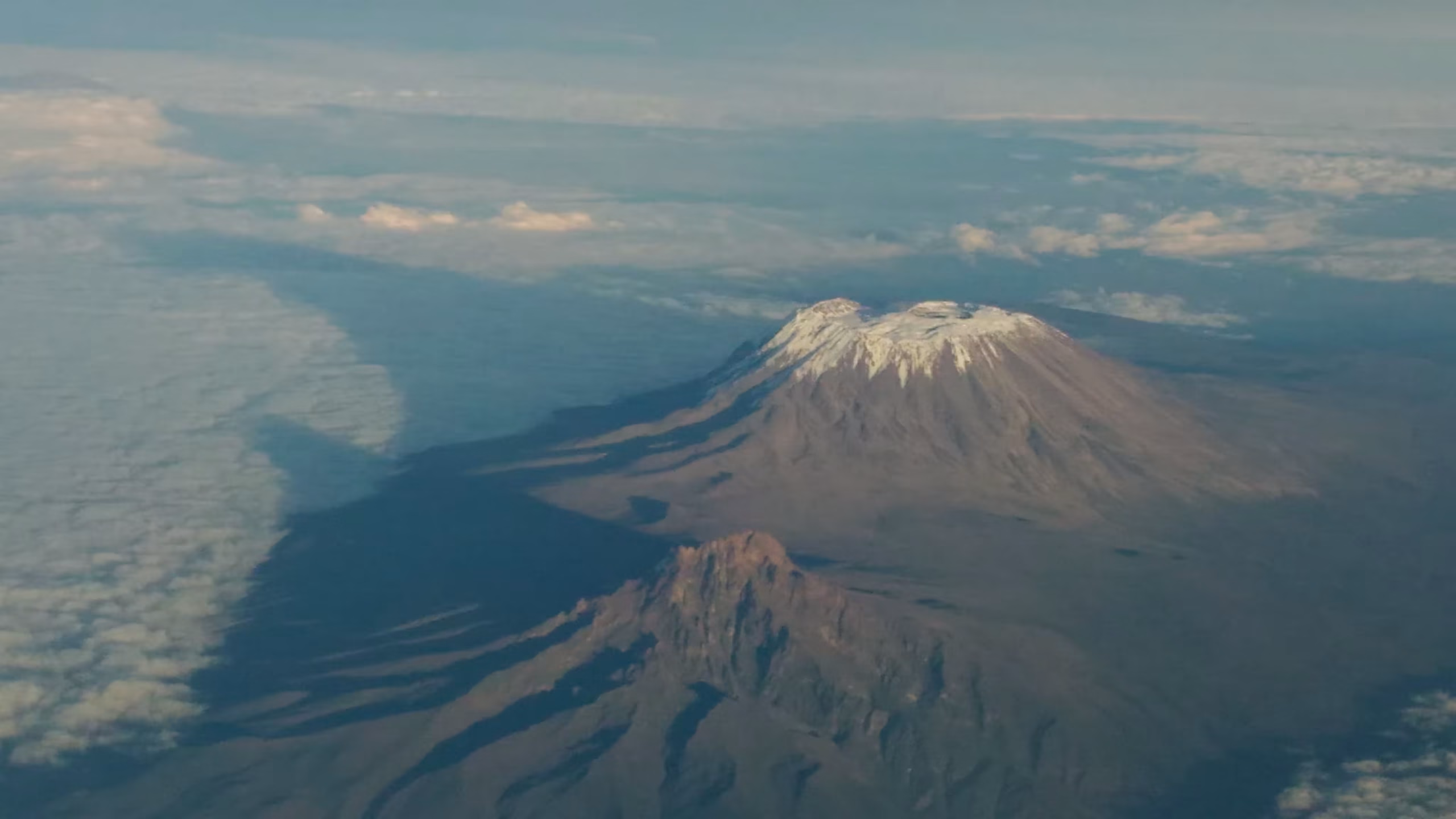
Mount Kilimanjaro stands majestically at 5,895 meters. It’s the tallest free-standing mountain in the world. Climbers are drawn to its snow-capped peaks and stunning vistas. Training for Kilimanjaro requires determination and preparation. Various routes, like Marangu and Machame, each present unique challenges.
Achieving this dream isn’t easy, but the rewards are profound, leaving climbers with memories and a sense of accomplishment.
Proper training increases your chances of reaching Uhuru Peak successfully. Without it, you risk altitude sickness and exhaustion. Training builds physical stamina and mental toughness. Physical fitness is crucial for enduring long hikes. Cardiovascular exercises, like running and cycling, improve lung capacity. Strength training targets muscles used during the ascent. Mental preparation is also key. Climbers face unpredictable weather and challenging terrain. Positive thinking and stress management help maintain motivation.
Tanzania Trekking Guide: Why Training for Kilimanjaro Matters for Body and Mind
Prioritize your training months before the climb. Train consistently, and you’ll be better prepared to face Kilimanjaro’s challenges head-on.
Effective physical training is crucial for conquering Mount Kilimanjaro. It enhances endurance and reduces injury risk. Build your training plan around core components. Starting with cardiovascular fitness is key. It boosts stamina for those long daily hikes. Aim to combine this with strength exercises focusing on the entire body. Flexibility is another essential factor. It helps prevent injuries, especially on uneven terrain. Incorporate exercises like yoga and stretching into your routine. Before your trip, simulate conditions you’ll face on Kilimanjaro. Altitude acclimatization prepares your body for low oxygen levels. Consider altitude simulation methods if possible.
Focus Areas for Kilimanjaro Training:
Ensure your training plan covers these areas. With dedicated preparation, you’ll be ready to tackle the mountain’s challenges.
Building cardiovascular fitness is a must for Kilimanjaro climbers. It prepares your heart and lungs for the challenging trek. Engaging in consistent cardio workouts will help you tackle the demanding ascent. Cardio activities should include running and swimming. These boost your stamina and improve oxygen flow. Incorporate interval training for added intensity and endurance.
Suggested Cardio Workouts:
Cardio exercises will improve your overall physical readiness, ensuring you feel strong and capable during your climb.
Strength and Flexibility Training for Hiking Kilimanjaro
Strength training is essential for Kilimanjaro success. It supports your body during long days of trekking. Focus on exercises that target lower body, core, and upper body muscles. Flexibility training reduces injury risk. Include yoga or dynamic stretching in your routine. These activities enhance mobility and prepare you for varied terrains.
Recommended Strength and Flexibility Exercises:
Strive for balance in your training. With a strong and flexible body, you’ll be more resilient on the mountain.
Altitude acclimatization is critical for a successful climb. Kilimanjaro’s high altitude can cause sickness. Preparing your body to adapt is essential for safety and success. Consider hypoxic tents or hiking at high elevations in advance. Simulated altitude training familiarizes your body with lower oxygen levels. It can significantly enhance your experience.
Tips for Acclimatization:
With well-rounded acclimatization practices, you’ll feel better prepared for Kilimanjaro’s challenges.
Mental preparation is as crucial as physical training for Kilimanjaro. The climb challenges both body and mind. Cultivating resilience prepares you for the demands ahead.
Visualization techniques can boost your mental readiness. Picture reaching Uhuru Peak with determination. This mental image can motivate you during tough times on the trail.
Positive self-talk is another essential strategy. It reinforces your capability and helps manage stress. Combine these methods for a stronger mental approach.
Tips for Mental Preparation:
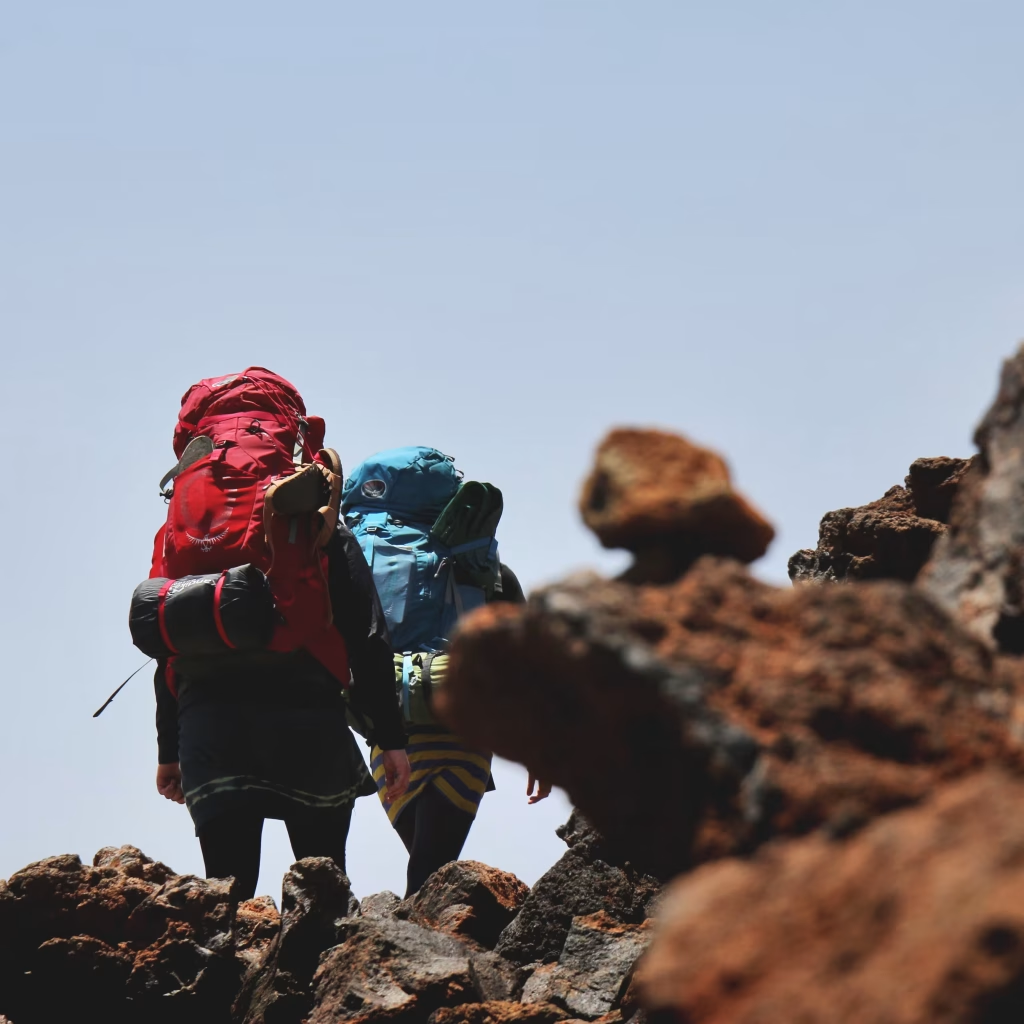
Porters and guides are the backbone of any successful Kilimanjaro climb. They carry essentials, ensuring climbers focus on their journey. Their support is invaluable, making the adventure possible.
Guides are experienced navigators, adept at handling mountain challenges. They prioritize safety, monitoring climbers’ health and adjusting the pace. Their local knowledge adds depth to the experience.
Porters bear the load, managing supplies and gear with remarkable efficiency. Their strength and resilience allow the team to progress smoothly. They handle everything from tents to cooking utensils.
Together, they form an unparalleled support network. Their expertise and effort ensure every expedition is safe and enjoyable, enhancing the Kilimanjaro experience.
Key Roles of the Support Team:
Porters are the unsung heroes of the Kilimanjaro climb. They transport heavy equipment, food, and personal gear. Their role is crucial for the trek’s success. Porters also set up campsites and assist with meal preparation. Their work allows you to concentrate on ascending the mountain. Their impact is immense, making challenging climbs smoother. Porter Responsibilities: Carry equipment and supplies Set up campsites Assist with meal preparation
Guides are your lifeline on Kilimanjaro. They understand the mountain’s terrain and climate. Their role extends beyond navigation to ensuring climbers’ safety. A guide’s expertise in recognizing altitude sickness symptoms is vital. They help climbers acclimate and offer constant encouragement. Their presence builds confidence among climbers. Guide Functions: Offer navigation and safety Monitor climber health Provide encouragement and support
Porters undergo rigorous training to handle the mountain’s demands. They develop physical endurance, crucial for carrying heavy loads over long distances. Safety is a top priority, and porters are trained in first aid. They are equipped to manage emergencies swiftly, ensuring climber protection and well-being.
Skills Required for Porters:
Ensuring fair treatment of porters is essential for sustainable expeditions. Fair wages and safe working conditions are fundamental rights they deserve. Supporting organizations that advocate for porter welfare is vital. Choose tour operators committed to ethical practices, enhancing both porter lives and your climbing experience.
Ethical Practices for Porter Welfare:
Stay informed
Selecting a professional team is key to a safe and memorable Kilimanjaro climb. A reputable tour operator ensures proper logistics and safety measures.
Experienced guides provide not only navigation but also emotional encouragement. Their expertise is invaluable for spotting challenges early and keeping spirits high.
Key Considerations When Choosing a Team:
Our Recommendation
Proper gear is crucial for tackling Mount Kilimanjaro’s varied climates. Layered clothing adapts to changing conditions, while sturdy boots ensure safe footing. Adequate nutrition energizes climbers for the arduous journey. A diet rich in carbohydrates and proteins is optimal for sustained energy. Hydration is equally critical, aiding altitude acclimatization and reducing fatigue. Drink at regular intervals to maintain your strength.
Summit night begins in the early hours. Climbers face the toughest ascent yet, navigating steep, icy terrain to reach Uhuru Peak.
Focus on persistence and maintain a steady pace. The summit rewards perseverance with breathtaking sunrise views.
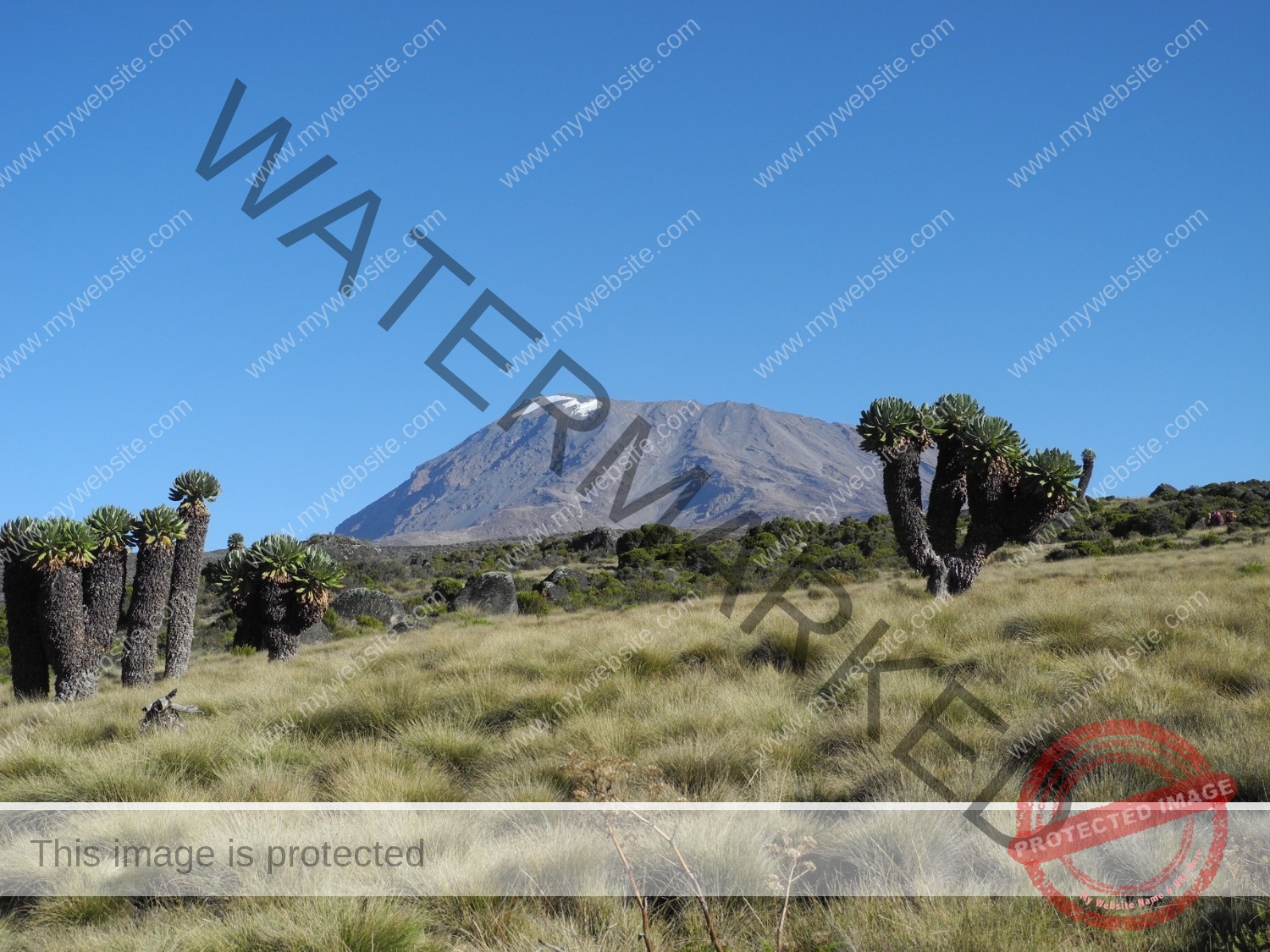
Climbing Mount Kilimanjaro offers opportunities to observe diverse ecosystems. These range from lush rainforests to arid alpine deserts. Preserving these environments is essential for future trekkers.
Adopt the Leave No Trace principles to minimize your impact. Moreover, respect local cultures by engaging with porters and guides. Cultural exchange enriches the experience.
Ensuring environmental and cultural respect protects Kilimanjaro’s unique beauty. It also enhances the climbing experience, offering personal growth and understanding.
Reaching Uhuru Peak is a remarkable achievement. This success isn’t just about individual effort. It’s a testament to the teamwork of climbers, porters, and guides.
Every team member contributes uniquely to the ascent. Mutual support and collaboration ensure a safe and fulfilling journey. Remember, each step taken up the mountain reflects collective dedication and unity.
The Kilimanjaro climb is not just a personal triumph but a shared celebration. Cherish this unity as you stand at the top of Africa.
Certified & Recognized By


 Reviewed on
Your Adventure Awaits
Whether you dream of watching lions at dawn, standing on the roof of Africa or waking up to the sound of the ocean in Zanzibar, we will make it happen.