

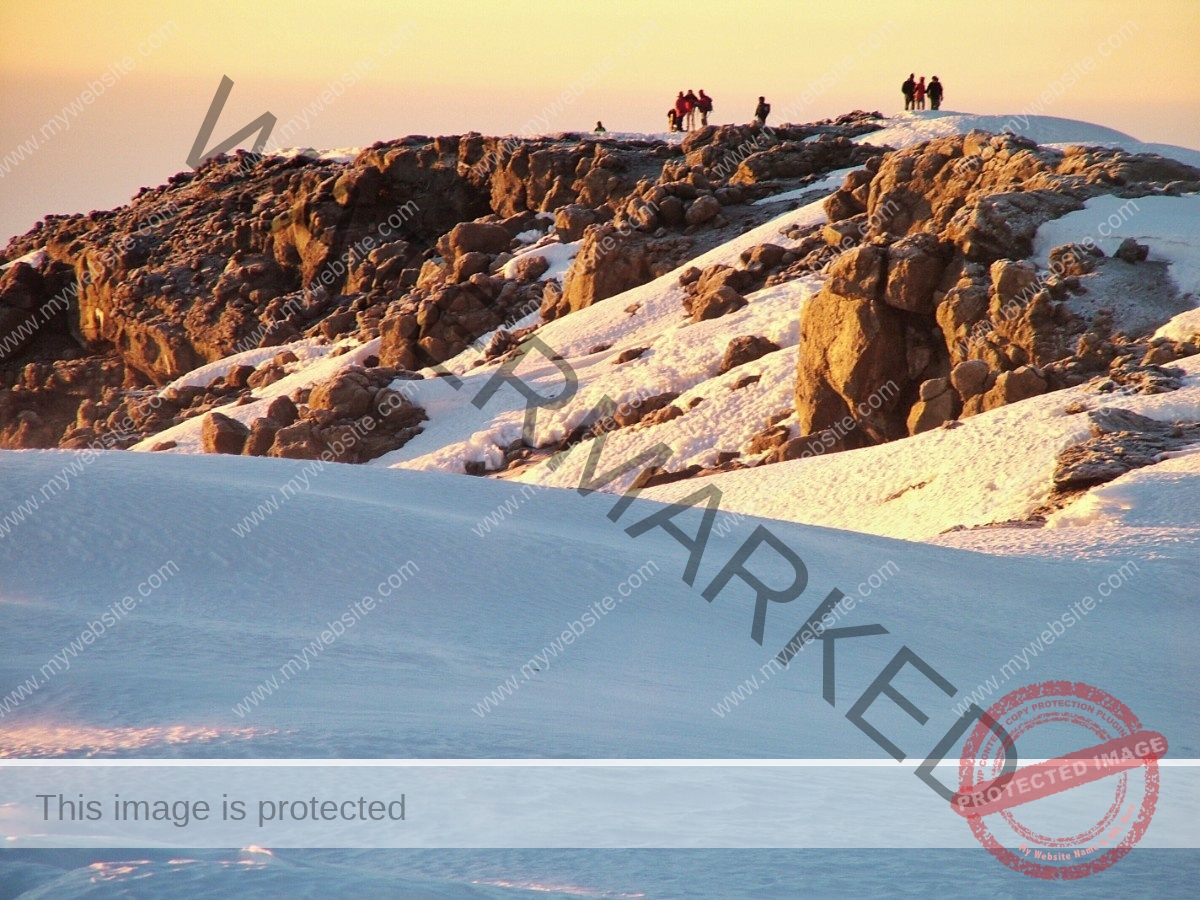
Tanzania Travel Guide
Climbing Mount Kilimanjaro is a dream for many adventure seekers. This iconic peak stands as Africa’s highest mountain. It offers a unique challenge and breathtaking views.
Located in Tanzania, Kilimanjaro is a non-technical climb. This means you don’t need special mountaineering skills. However, preparation is key to a successful ascent.
The mountain’s diverse landscapes range from lush rainforests to arctic conditions. Each step brings new scenery and experiences.
Choosing the right route is crucial. Options vary in difficulty, scenery, and duration. Popular routes include Marangu, Machame, and Lemosho.
Acclimatization is essential to avoid altitude sickness. Take your time and listen to your body.
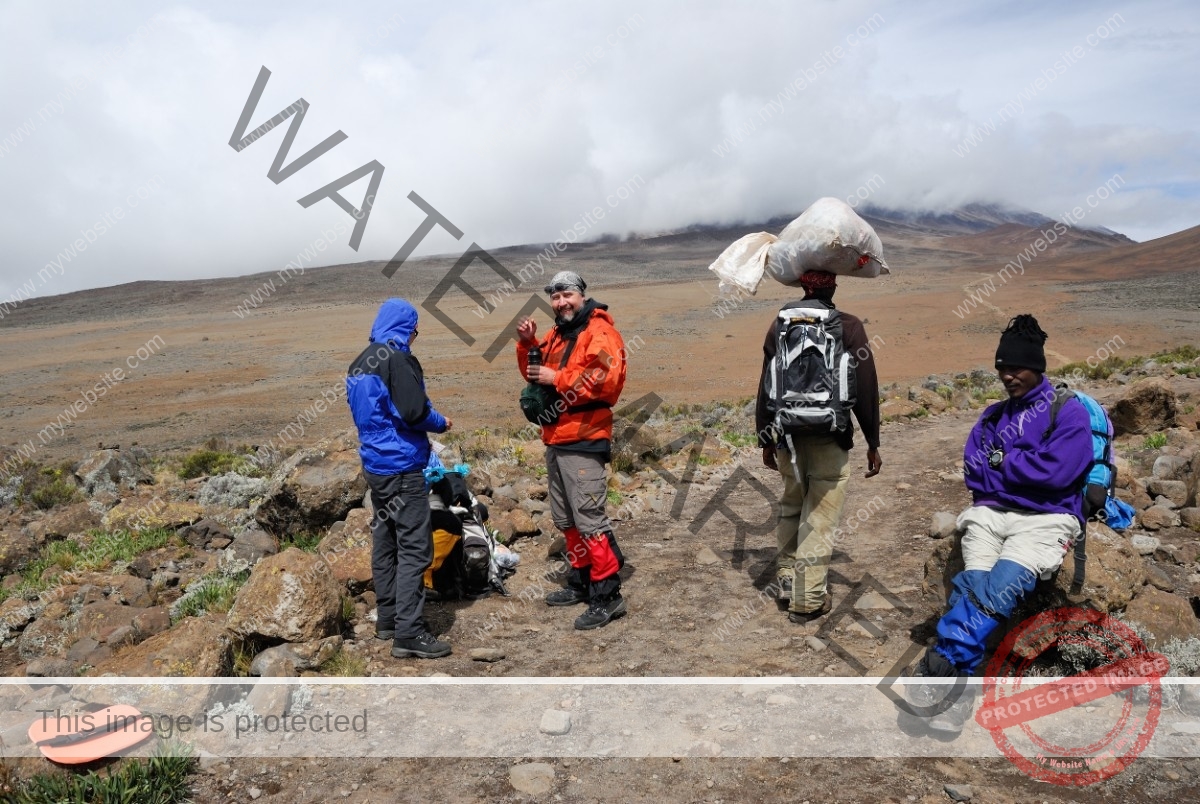
Hiring experienced guides and porters enhances your climb. They provide support and local knowledge.
Prepare for a life-changing adventure. The summit, Uhuru Peak, awaits those who persevere.
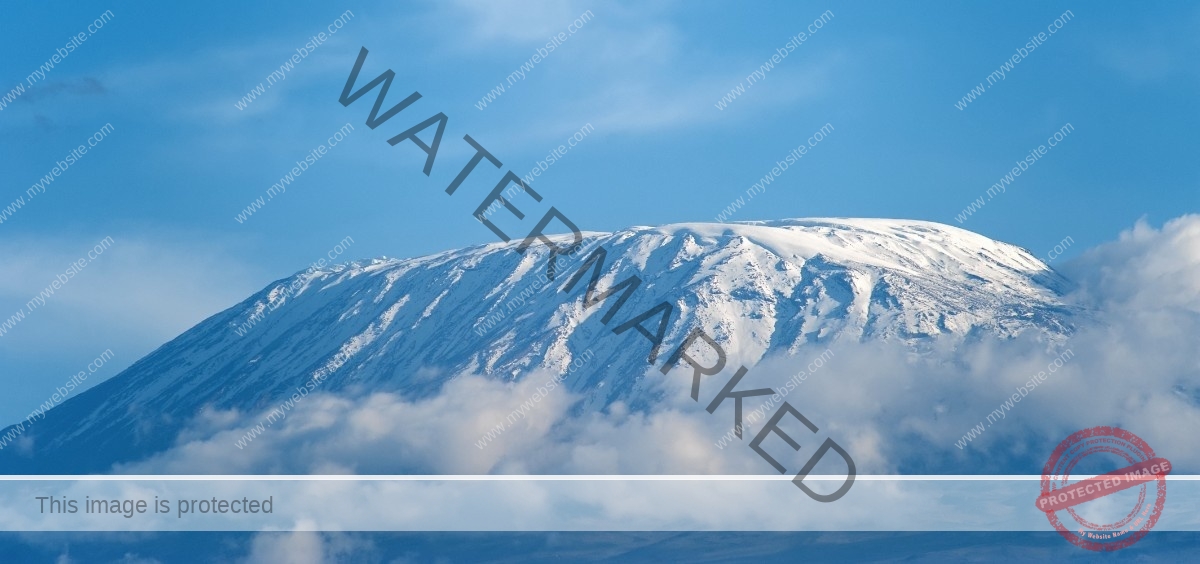
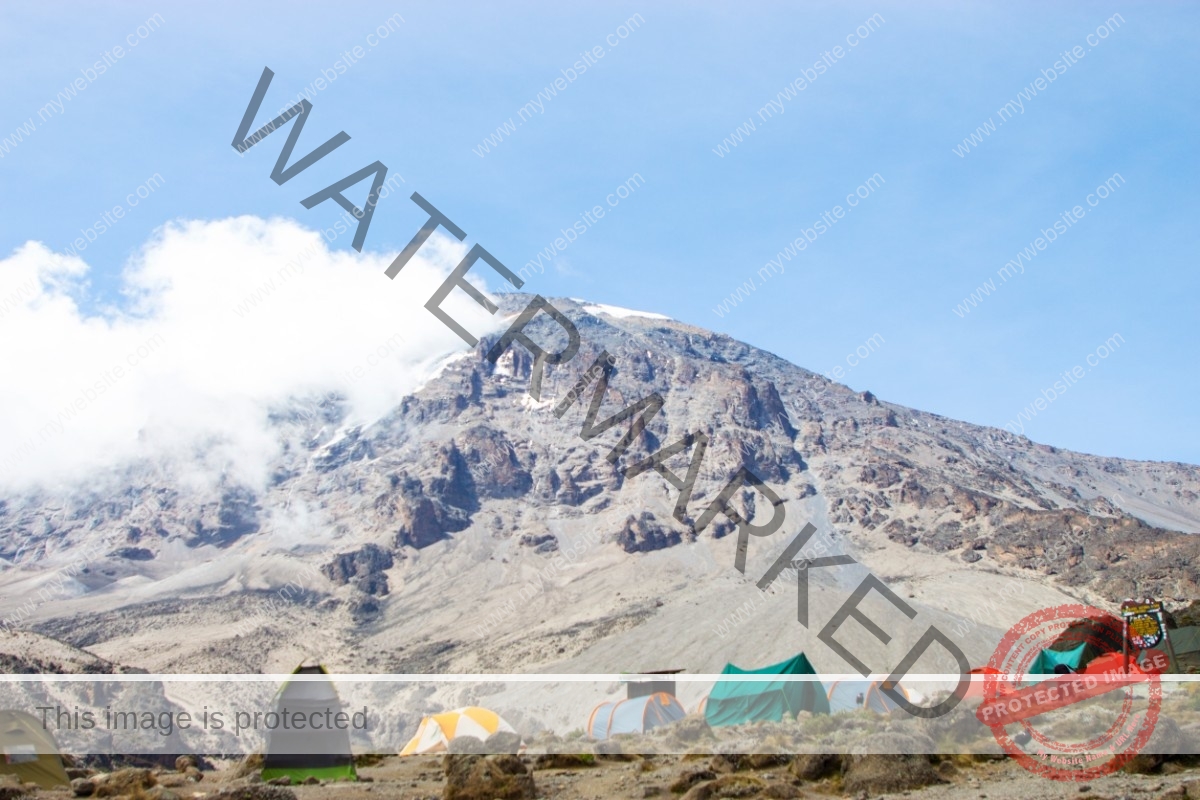
Mount Kilimanjaro is a dormant volcano in Tanzania. It consists of three volcanic cones: Kibo, Mawenzi, and Shira. Each cone adds to the mountain’s majestic profile.
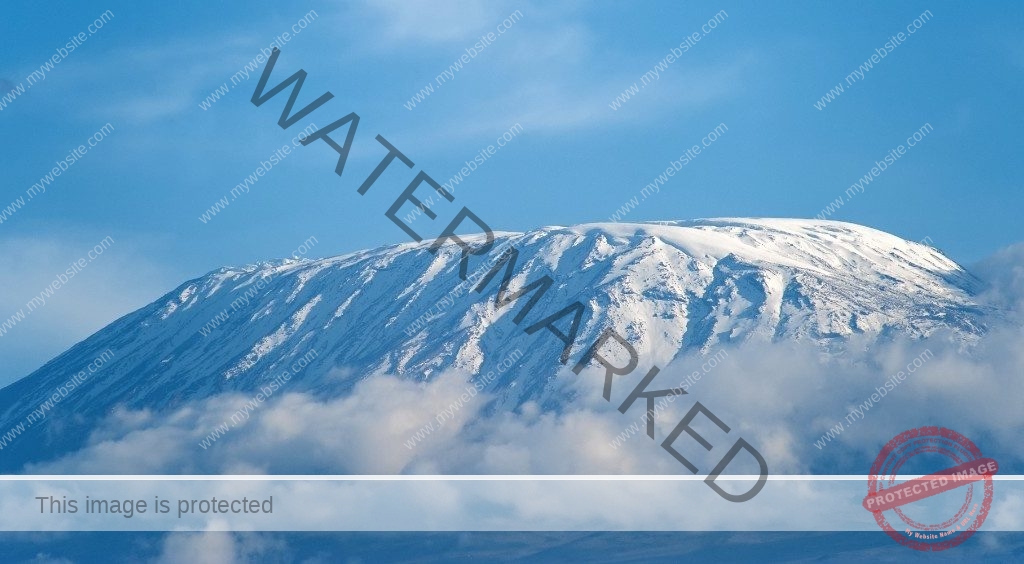
This towering peak reaches a height of 5,895 meters (19,341 feet). It claims the title of Africa’s highest mountain. Its snow-capped summit is a sight to behold.
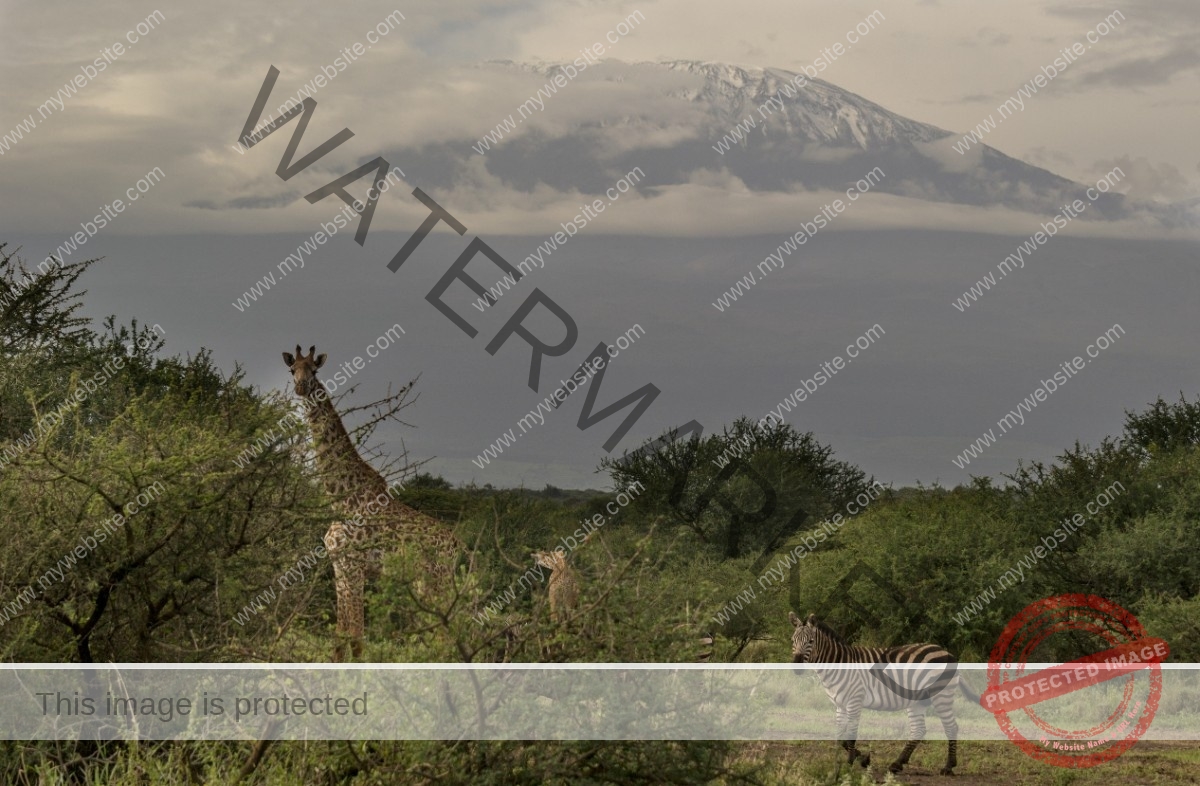
Situated in Kilimanjaro National Park, the mountain draws thousands of climbers annually. This UNESCO World Heritage Site is renowned for its stunning biodiversity.
Access is facilitated by the town of Moshi, serving as a gateway. From there, climbers can arrange tours and permits.
Mount Kilimanjaro stands at a formidable 5,895 meters (19,341 feet). It towers above the surrounding savannah and is one of the world’s tallest freestanding mountains.
Such heights mean Kilimanjaro is Africa’s highest peak. This prominence contributes to its allure and challenge for climbers. Reaching the summit is a significant achievement.
Altitude plays a crucial role in the climbing experience. As elevation increases, oxygen levels decrease, affecting climbers’ bodies. Proper acclimatization is necessary.
Scaling Kilimanjaro means ascending through various ecosystems. Each level offers a unique perspective and challenge.
Mount Kilimanjaro is located in northeastern Tanzania. It’s near the border with Kenya within the Kilimanjaro National Park. This iconic peak is a significant part of the country’s landscape.
Travelers can reach Kilimanjaro through Kilimanjaro International Airport. It’s just a short drive from Moshi, the nearest town to the mountain. Moshi serves as a hub for climbers and offers essential services.
Navigating to Kilimanjaro is straightforward. Maps and local guides help ensure a smooth journey. It’s important to plan your route to the mountain to maximize climbing time.
Key travel tips:
When planning a climb, selecting the right trail is crucial. Each route offers unique experiences. Factors such as scenery, difficulty, and duration vary between routes.
Kilimanjaro has several popular trails. They cater to different levels of hikers. Understanding the differences can help you make the best choice.
Here are the main trails:
The Marangu Route, often called the “Coca-Cola” route, is the oldest. It offers hut accommodations and is popular for its gentler ascent.
The Machame Route is known as the “Whiskey” route. It’s more challenging but offers dramatic landscapes. Ideal for those seeking a less crowded climb.
For those who love solitude, the Lemosho Route offers the longest path. It provides ample acclimatization time and beautiful wildlife sightings.
The Rongai Route approaches Kilimanjaro from the north. It is less busy and crosses diverse terrains, providing a unique perspective.
The Northern Circuit is the longest and least crowded route. It gives excellent acclimatization and breathtaking views.
Umbwe and Shira Routes are the least traveled trails. They are for experienced climbers seeking a steep and adventurous path.
The Marangu Route is often considered the easiest path. It has hut accommodations, adding comfort to the journey.
This route is ideal for first-time climbers. Its gradual incline attracts many seeking a smoother ascent.
The Machame Route offers stunning panoramas of the mountain. It’s more challenging, known for its diverse ecosystems.
This path is suited for those seeking adventure. The trek involves steeper climbs and has longer distances.
The Lemosho Route starts on the remote western side. It’s perfect for those who appreciate solitude.
This trail allows ample time for acclimatization. It gives climbers a better chance of reaching the summit.
Starting from the north, the Rongai Route is drier. It’s the only route approaching from this side.
Rongai is less crowded, making it attractive. Hikers enjoy the wilderness and diverse environments.
The Northern Circuit is the longest route. It offers spectacular views over extended periods.
Ideal for acclimatization, it reduces altitude sickness risk. This path rewards climbers with both beauty and safety.
Umbwe and Shira Routes are steep and for experienced climbers. They offer a direct and rapid climb.
Ideal for those seeking adventure, these routes challenge. They demand physical fitness and preparation.
Mount Kilimanjaro is a treasure trove of diverse ecosystems. As you ascend, the landscape transforms dramatically. You’ll traverse lush rainforests, striking alpine deserts, and icy glaciers.
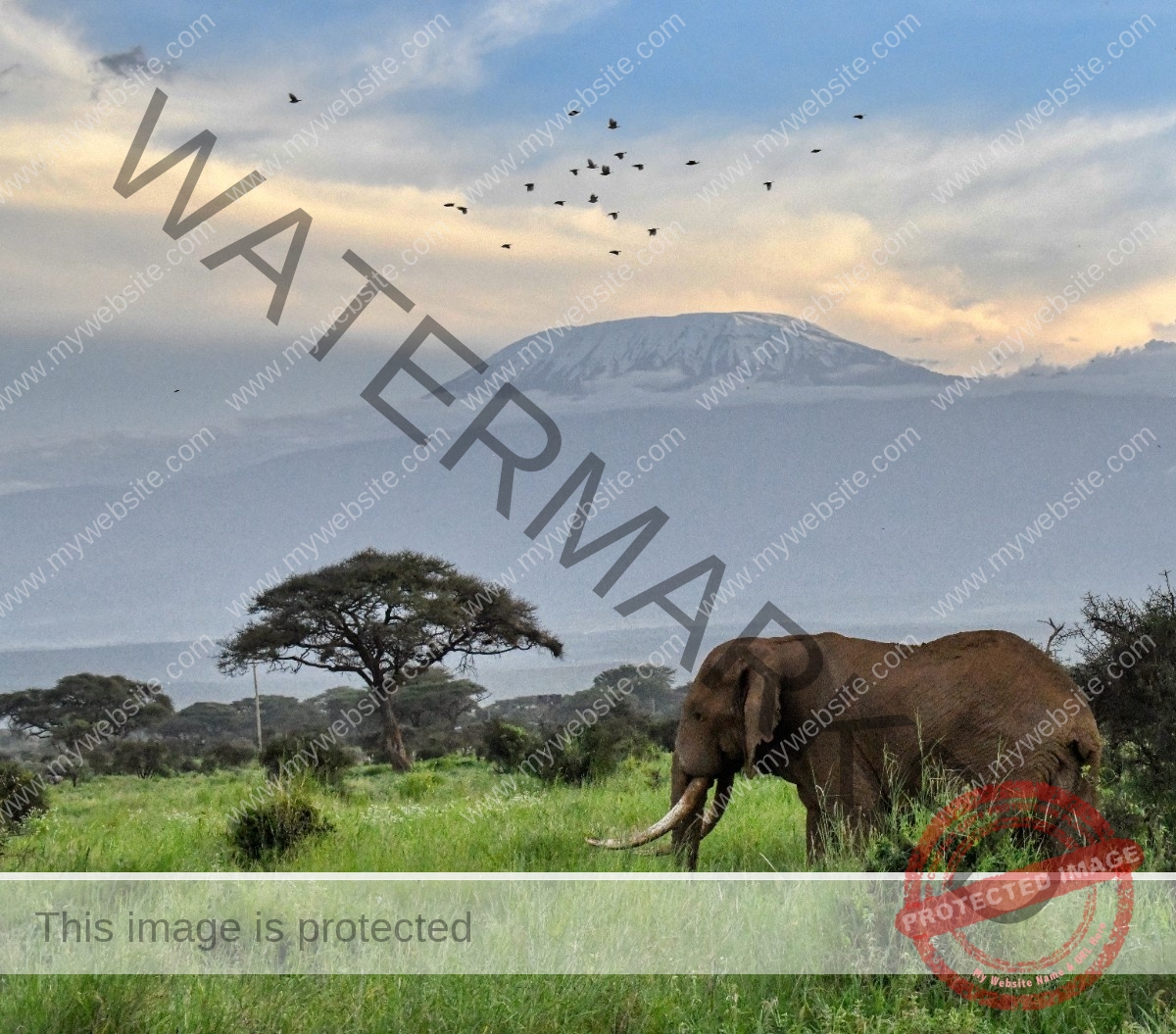
The wildlife is equally captivating. Among the species are colobus monkeys, elephants, and unique birds. Each zone presents its own ecological charm, offering sightings that surprise and inspire.
Key scenic features include:
Every step on Kilimanjaro reveals something special. From the towering Mawenzi peak to the retreating glaciers, the mountain’s features are unforgettable. These make the climb both challenging and rewarding.
The duration of a Kilimanjaro climb varies by route. Typically, it takes between five to nine days. Time spent depends on your chosen path and fitness level.
Acclimatization plays a crucial role in determining the length. Longer treks help reduce altitude sickness risks. Picking a longer route boosts summit success chances.
Routes like Marangu might take five to six days. Meanwhile, Lemosho and Northern Circuit can stretch to nine days. Time allows for a leisurely pace and better acclimatization.
Consider these factors when planning:
Ultimately, the trek’s duration influences the experience. Opt for more days if time allows, ensuring enjoyment and safety.
Climbing Mount Kilimanjaro is a non-technical endeavor. This means you won’t need specialized mountaineering skills or equipment. However, the trek requires physical endurance and mental strength.
Many factors contribute to the climb’s difficulty. The most significant challenge is high altitude, which can affect anyone. Hence, acclimatization is essential to avoid altitude sickness.
The terrain is varied, with trails ranging from forests to scree slopes. Each day presents a new environment, adding to the overall challenge. Steeper sections, especially near the summit, test stamina.
Consider these aspects of difficulty:
Although challenging, reaching the summit is rewarding. Proper preparation, training, and determination make the ascent manageable. Remember, thousands successfully reach the top each year.
Timing your climb is crucial for a successful Kilimanjaro experience. The mountain’s weather varies significantly throughout the year. It’s best to aim for the dry seasons for optimal conditions.
The most favorable months are January to March and June to October. These periods offer more stable weather and clearer skies. They also provide a better chance to enjoy the stunning views.
Consider these factors when planning your trip:
While climbing is possible year-round, avoiding the heavy rains of April, May, and November is wise. Wet seasons bring slippery paths and challenging conditions. Always consult with an expert guide for the best advice.
Climbing Mount Kilimanjaro can be a significant investment. The cost to climb can vary depending on several factors. These include the route chosen and the tour operator’s services.
Typically, climbers can expect to pay between $1,500 and $4,000. This range often covers permits, guide services, and basic equipment. More luxurious tours with added amenities will cost more.
Here’s a breakdown of common costs:
Budgeting is key to a stress-free experience. Consider travel insurance and personal expenses, too. Compare several tour operators for the best value without compromising safety. Prices can sometimes seem high but support local communities and conservation efforts. Choose a reputable operator to ensure a well-organized trek.
Proper training is crucial for a successful Kilimanjaro ascent. Physical fitness helps you handle the mountain’s challenges. Start training several months before your climb date.
Focus on cardiovascular and strength exercises. Activities such as hiking, running, and biking improve endurance. Incorporate leg and core exercises to strengthen essential muscles.
Consider the following training tips:
Mental preparation is just as important as physical training. Stay positive and visualize reaching the summit. Remember, persistence and grit are key. Aim to be in peak condition to fully enjoy this adventure. Keep a balanced routine to avoid burnout and overtraining.
Equipping yourself with the right gear is vital for your Kilimanjaro climb. Layering is essential due to varying temperatures. Proper clothing will keep you comfortable throughout the trek.
Include a moisture-wicking base layer, insulating mid-layer, and waterproof outer layer. Sturdy hiking boots, broken in before the trek, are crucial. Consider gaiters to keep debris out of your boots.
Don’t forget a warm hat, gloves, and a good quality sleeping bag rated for sub-zero temperatures. Sunglasses and sunscreen protect against sun exposure, especially at higher altitudes.
Here’s a basic packing list:
Ensure you pack light but efficient. Prioritize high-quality gear for safety and comfort. A well-packed bag will enhance your climbing experience immensely.
Altitude sickness is a serious risk when climbing Kilimanjaro. Your body needs time to adjust to lower oxygen levels. Acclimatization techniques are crucial for a successful climb.
Climbing slowly can help your body acclimatize. Pace yourself, and listen to your body. Ensure your itinerary allows for sufficient acclimatization days.
Symptoms of altitude sickness include headache, nausea, and dizziness. If symptoms worsen, it’s important to descend immediately.
To stay safe, follow these tips:
Remember, every climber adapts differently to altitude. Taking these precautions will help mitigate risks and increase your chances of reaching the summit. Your health should always come first.
Climbing Mount Kilimanjaro offers a cultural journey. The Chagga people, who reside around the mountain, are known for their hospitality and rich traditions. Engaging with them enriches the experience beyond the physical climb.
Their vibrant culture is evident in daily life and local customs. Visitors can explore traditional villages, taste local cuisine, and learn about coffee farming—a Chagga specialty.
Key cultural insights include:
By embracing these cultural interactions, climbers gain a deeper understanding of the region. The shared stories and warm welcomes leave lasting impressions on anyone visiting Kilimanjaro.
Climbing Mount Kilimanjaro is a remarkable journey. Each day on the mountain offers unique challenges and rewards.
The initial days often begin in lush rainforests. You’ll encounter diverse flora and fauna. As you ascend, the vegetation gradually thins.
The middle of the climb covers moorland and alpine deserts. This barren landscape is vast and scenic. The terrain can be rocky and uneven.
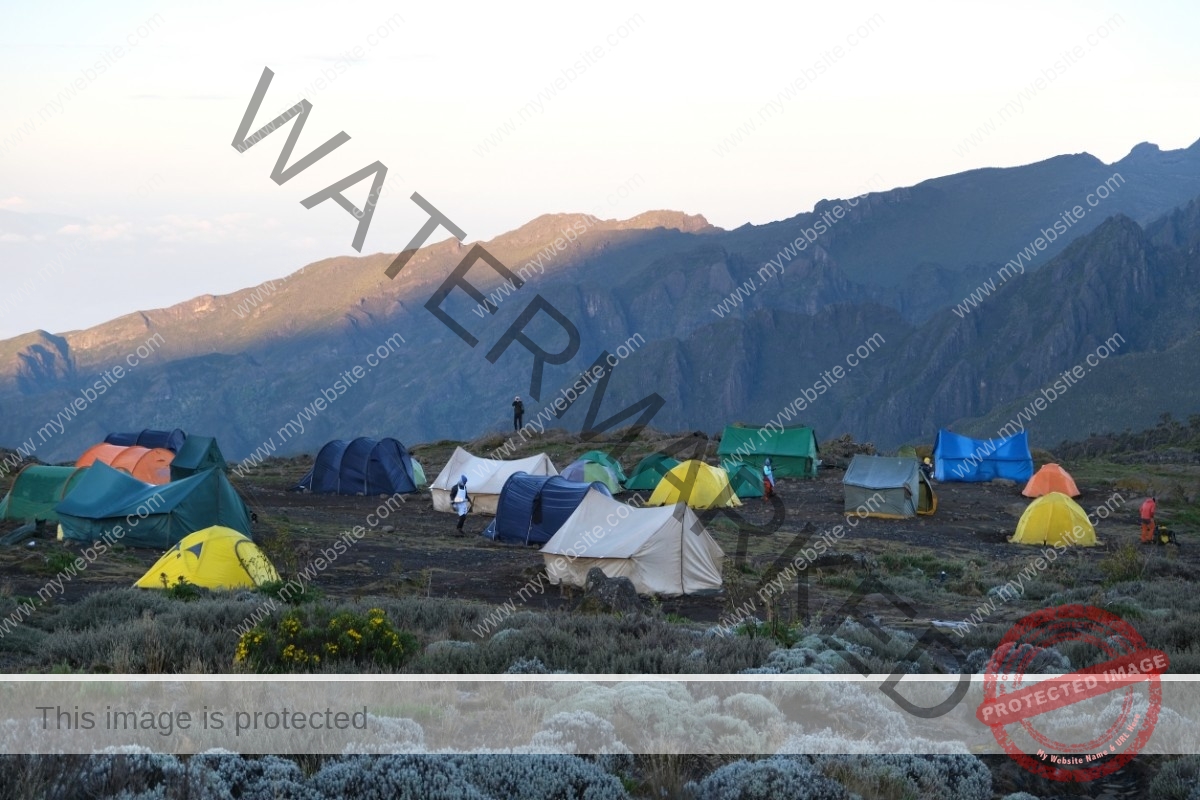
Each night, climbers camp beneath the stars. It’s important to rest and recover. The cold can be intense at higher altitudes.
Before the summit, climbers face their toughest day. Starting around midnight, the ascent to Uhuru Peak begins. Darkness and cold are constant companions.
Upon reaching Uhuru Peak, the view is breathtaking. The sun rising over Africa is a sight to behold. This moment is often described as life-changing.
On your climb, expect to adjust to changing climates. Prepare for daily fluctuations in weather. Stay hydrated, and follow your guide’s advice.
Summary of daily experiences:
This day-by-day experience enriches and tests climbers in various ways. Embrace each day and its unique trials. The memories will last a lifetime.
Selecting the right guide or tour operator is crucial. They greatly influence your experience. A reputable operator ensures safety and success.
First, research thoroughly before booking. Compare reviews from previous climbers. Look for operators with high success rates.
Guides should be knowledgeable about the mountain. They should be experienced in handling emergencies. Their expertise is invaluable at high altitudes.
Key considerations when choosing a tour operator:
Ask questions during your selection process. Inquire about the guide-to-client ratio. Ensure they adhere to ethical climbing practices.
A good operator supports the local community. Their porters should receive fair wages. This adds to the climb’s sustainability.
Porters and guides play a vital role in your Kilimanjaro climb. They carry gear and provide essential support throughout the journey. Their local knowledge and skills are invaluable.
Guides offer direction and motivation. They are trained to manage altitude sickness. Porters handle logistics, making sure everything you need reaches the camps.
When choosing guides and porters, consider these factors:
Supporting the local community is vital. Ensure porters are treated fairly. They deserve respectful treatment and appropriate compensation for their hard work. Respecting this enhances your expedition.
Reaching Uhuru Peak is the pinnacle of the Kilimanjaro experience. It’s the highest point in Africa, offering breathtaking views. As the sun rises, climbers are rewarded with stunning landscapes that stretch for miles.
The final ascent typically starts at midnight. Climbers rely on headlamps, navigating the challenging terrain in darkness. The thin air and cold temperatures test both endurance and resolve.
Key summit highlights include:
The ascent’s difficulty makes the summit even more rewarding. Many climbers describe this moment as life-changing, filled with a deep sense of personal triumph.
After descending from Kilimanjaro, it’s important to rest. Your body needs time to recover from the physical exertion. Hydration and good nutrition are essential to regain strength.
Reflecting on the climb can be just as rewarding. Consider the challenges faced and overcome. The experience often inspires thoughts of future adventures.
Possible post-climb activities include:
Recovering well ensures you’re ready for whatever comes next. The memories and lessons from Kilimanjaro may guide your future explorations.
Climbing Mount Kilimanjaro is a test of strength and resilience. Trust your preparation and lean on your guides’ expertise to make the journey successful.
Embrace the challenge with a positive mindset. The climb is not just about reaching the summit, but also the personal growth along the way.
Key inspirational points:
Let this adventure be a reminder of the limitless possibilities when courage meets ambition. Your experience on Kilimanjaro will be a lifelong source of inspiration.
How long does it take to climb Mount Kilimanjaro?
The climb usually takes between 5 to 9 days. The duration depends on the chosen route and acclimatization needs. Allowing more days improves the chance of reaching the summit successfully.
What are the costs involved in climbing Kilimanjaro?
Expect costs ranging from $1,500 to $4,000. This includes park fees, guides, porters, and food. Choosing a reputable operator may affect the price but ensures safety and support.
What gear is needed for the climb?
Essential gear includes layered clothing, sturdy boots, and a quality sleeping bag. Other items include a waterproof jacket, backpack, and trekking poles. Be prepared for varying weather conditions.
How can I prevent altitude sickness?
Acclimatization is key. Ascend slowly and stay hydrated. Consider medication as a precaution, and listen to your body’s signals. Proper planning reduces the risk significantly.
What is the best time to visit Kilimanjaro?
The best time to climb is during the dry seasons. Consider January to March and June to October for favorable conditions and clearer skies.
Understanding these aspects enhances your climbing experience. Proper preparation and knowledge ensure your journey is both safe and enjoyable.
Certified & Recognized By


 Reviewed on
Your Adventure Awaits
Whether you dream of watching lions at dawn, standing on the roof of Africa or waking up to the sound of the ocean in Zanzibar, we will make it happen.