Tanzania Safari Packages: Explore the Big Five & Zanzibar

tanzania safari and zanzibar packages

Tranzania Travel Guide 

Tanzania Safari Packages: Explore the Big Five & Zanzibar

Tanzania safari and zanzibar packages, Discover the wild heart of Africa. Tanzania is a land of breathtaking landscapes and diverse wildlife. It’s a paradise for nature lovers. From the vast plains of the Serengeti to the majestic Ngorongoro Crater, adventure awaits. Experience the thrill of spotting the Big Five in their natural habitat. It’s a once-in-a-lifetime opportunity. Combine your safari with a relaxing beach holiday in Zanzibar. Enjoy pristine beaches and vibrant culture. Luxury safari Tanzania options offer high-end lodges and personalized services. Indulge in comfort and style. Customize your safari itinerary to suit your interests. Explore cultural experiences and wildlife wonders.
Start planning your dream safari today. Tanzania’s beauty and wildlife are calling you.

Why Choose Tanzania Safari and Zanzibar Packages Adventure?
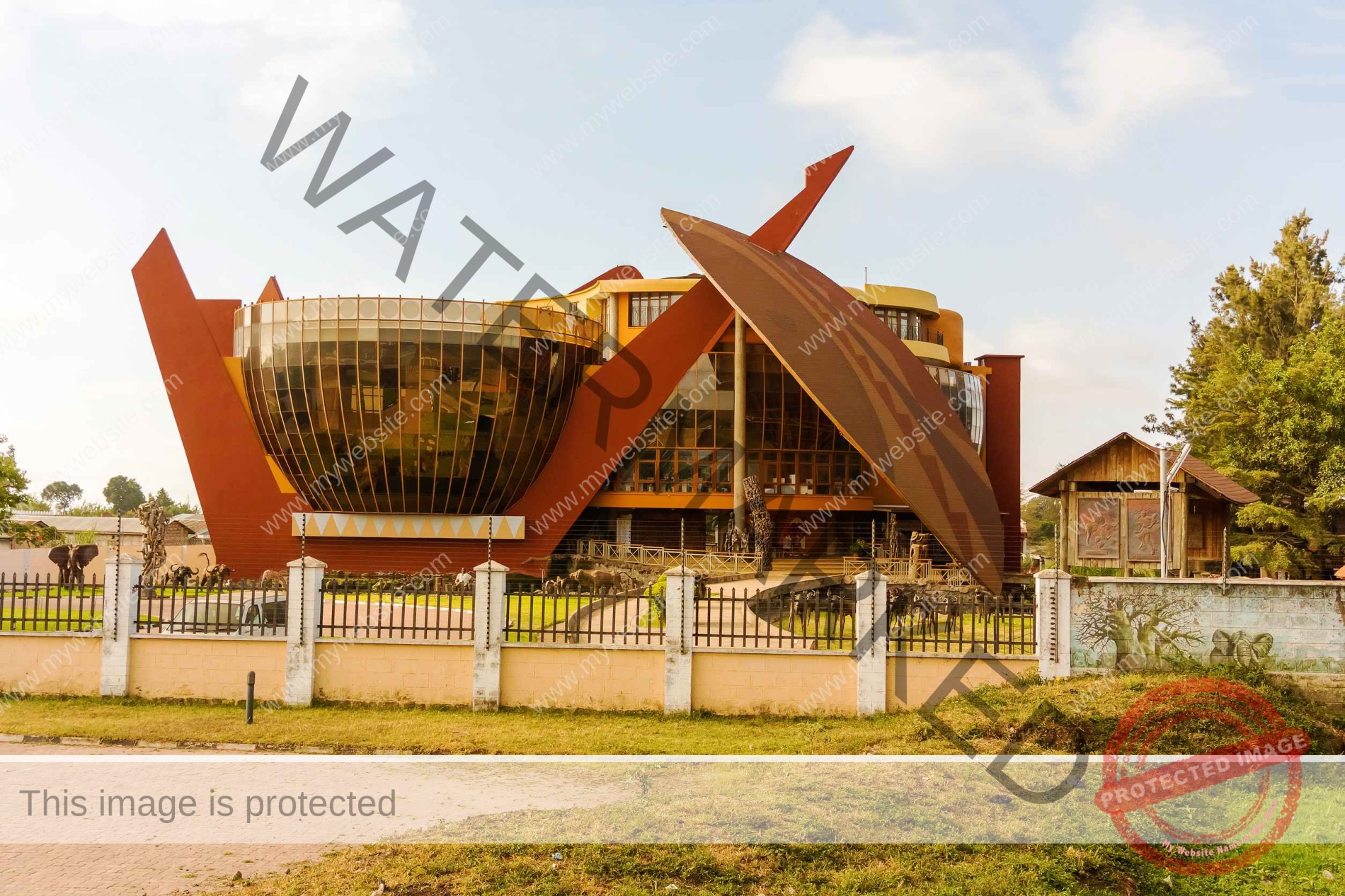
Tanzania is home to some of Africa’s most iconic safari destinations. Its biodiversity is unparalleled. The country’s vast landscapes range from savannahs to mountains. Each offers unique safari experiences. Here, you can witness the Great Migration. Millions of wildebeests and zebras traverse the Serengeti. Tanzania’s parks are teeming with wildlife. You can spot lions, elephants, and rhinos in their natural habitats. The rich cultural heritage enhances your journey. Interact with Maasai tribes and learn their traditions. Tanzanian safaris offer unparalleled beauty and adventure. From thrilling wildlife encounters to breathtaking landscapes.

  • Witness the Big Five
  • Experience the Great Migration
  • Diverse landscapes and ecosystems
  • Rich cultural experiences
  • Access to pristine beaches

Choose Tanzania for your next safari. The experience will be both memorable and life-enriching.

Top Tanzania Safari Destinations

Tanzania boasts top-tier safari destinations. Each offers unique wildlife experiences and breathtaking scenery. The Serengeti stands as a premier destination. It hosts the annual Great Migration, a spectacular wildlife event. Ngorongoro Crater is a UNESCO World Heritage Site. This vast caldera is rich with diverse animal life. Tarangire and Lake Manyara National Parks feature large elephant herds and tree-climbing lions. Both parks offer distinct ecosystems.  Venturing to the south and west, explore Ruaha, Selous, Mahale, and Katavi. These areas are less frequented but equally rewarding.

  • Serengeti National Park
  • Ngorongoro Crater
  • Tarangire and Lake Manyara
  • Ruaha, Selous, Mahale, Katavi

These destinations guarantee unforgettable safari experiences. Each park has unique highlights awaiting exploration.

Serengeti National Park

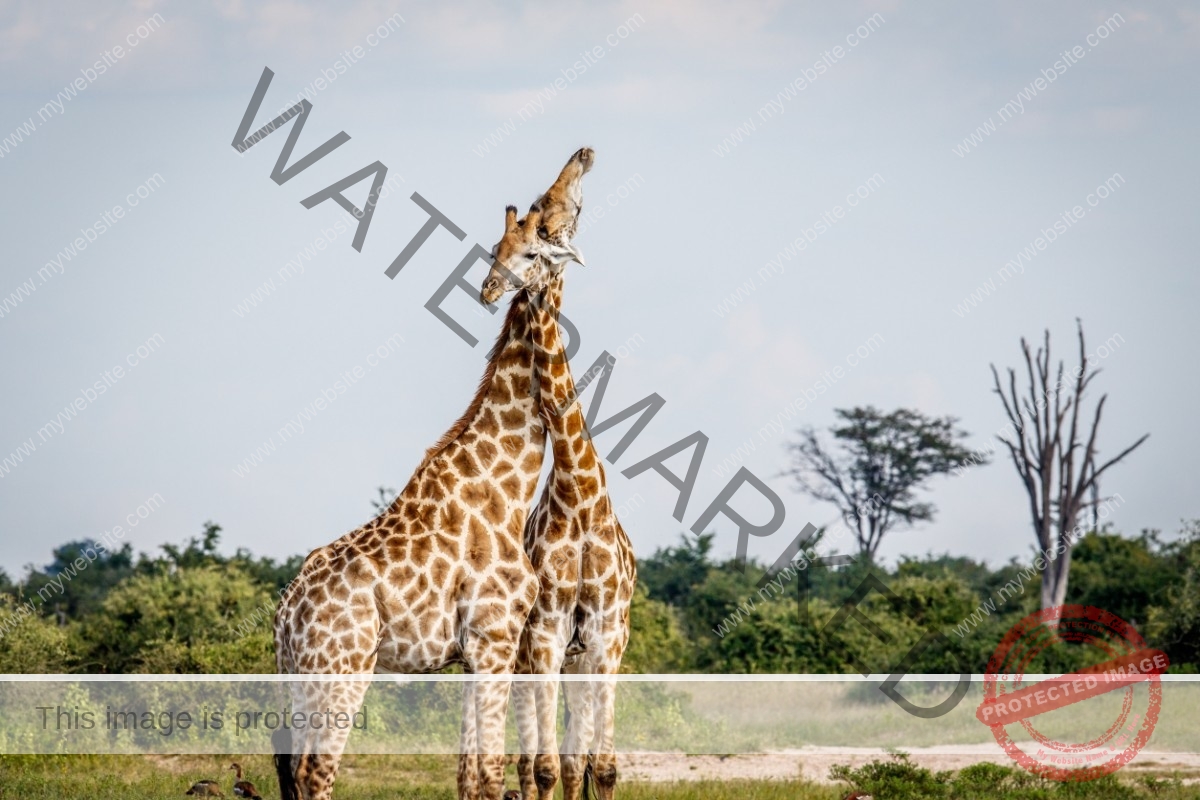
The Serengeti National Park spans vast plains. It is known for the dramatic Great Migration. Visitors can spot diverse wildlife here. Lions, giraffes, and gazelles roam freely. This park captures the essence of African safaris. Its endless horizons captivate every traveler.


Ngorongoro Crater

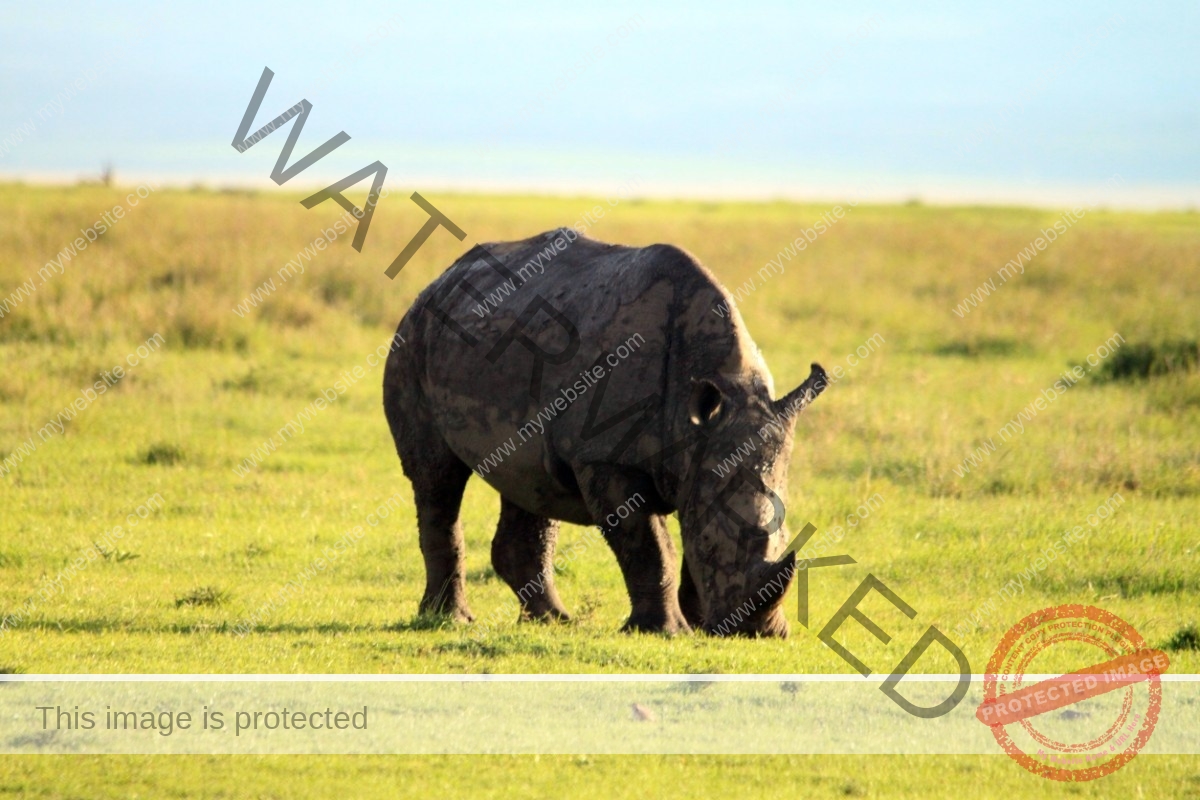
Ngorongoro Crater is a wonder. It harbors a bustling ecosystem within its confines. Here, visitors can view an array of wildlife. Zebras, black rhinos, and flamingos are highlights. The stunning landscape offers a majestic backdrop. This makes every safari here unforgettable.

Tarangire and Lake Manyara National Parks

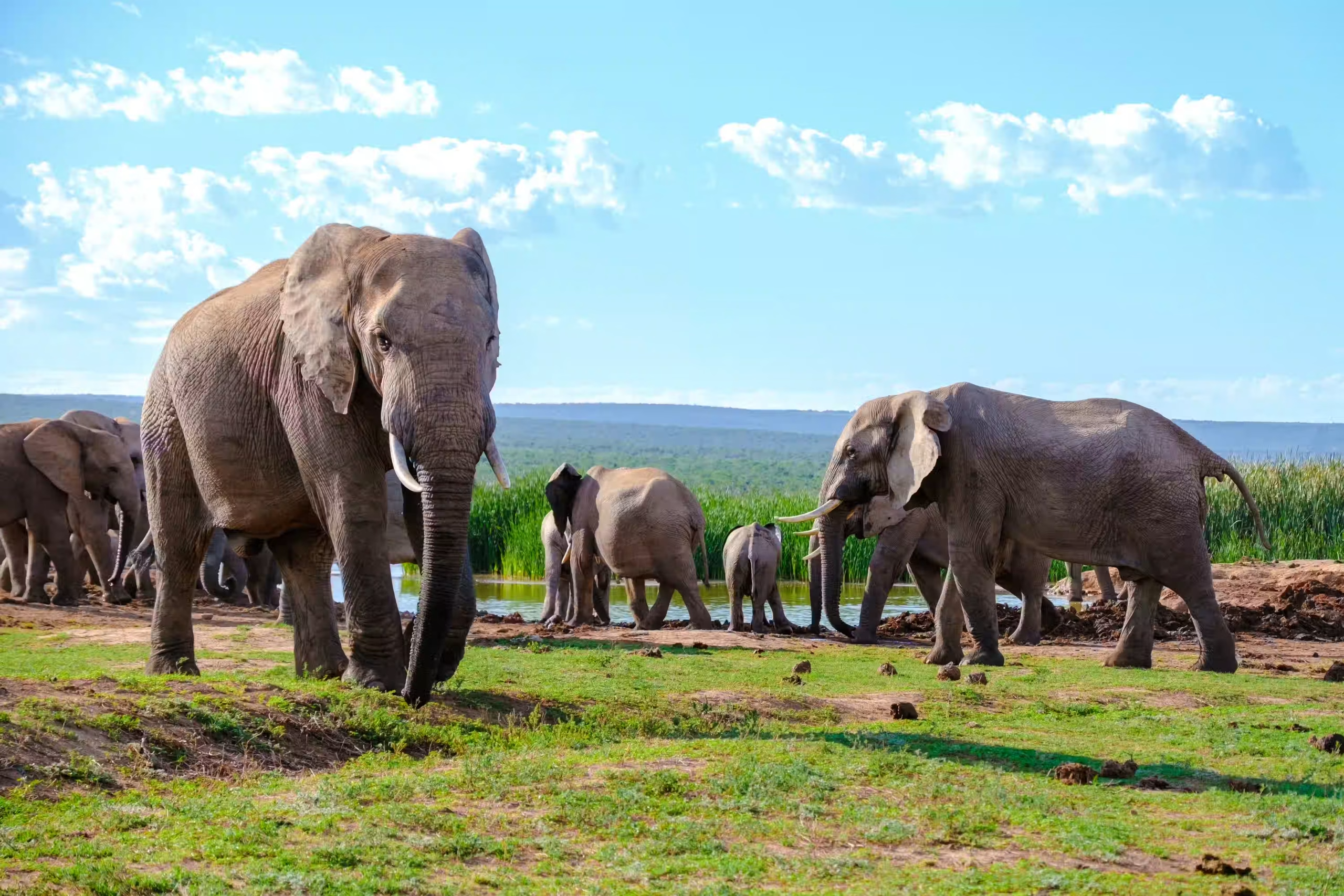
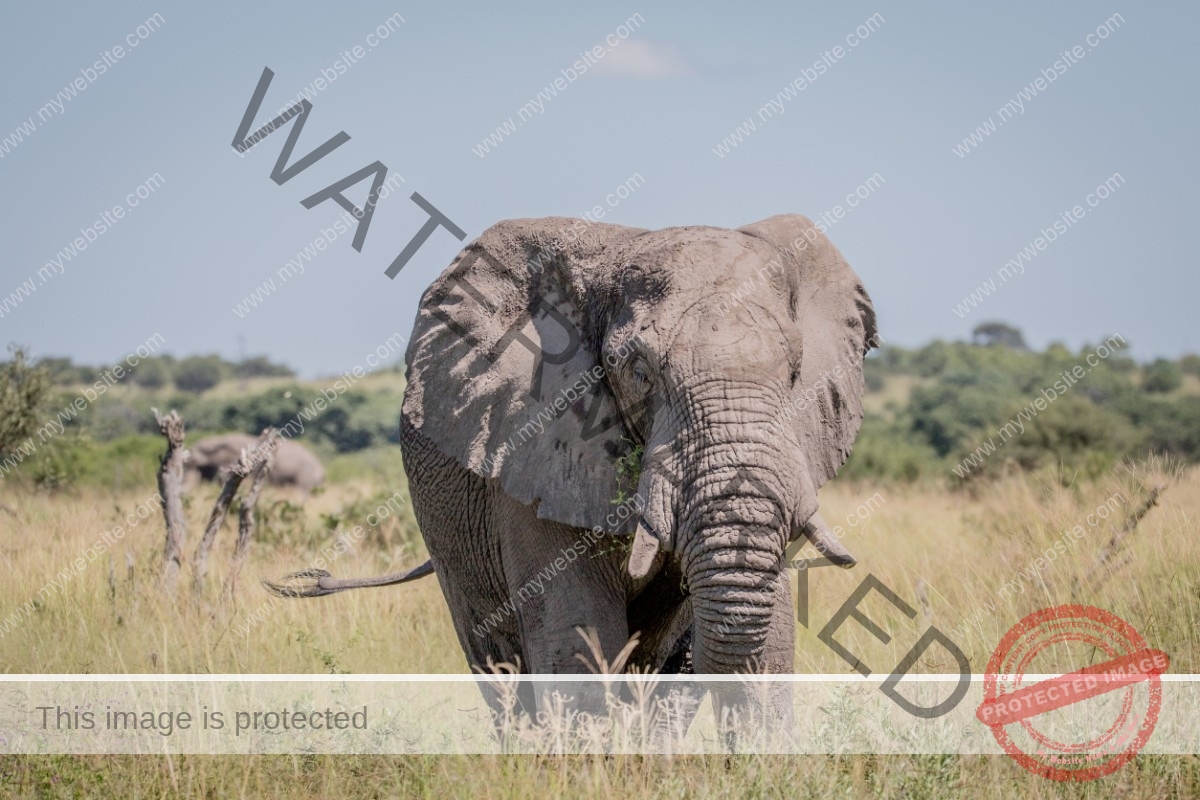
Tarangire is famed for majestic elephant herds. The park’s giant baobabs are iconic. Lake Manyara is known for its tree-climbing lions. The park boasts diverse bird species. Together, these parks offer varied experiences. They’re perfect for nature and wildlife lovers.


Southern and Western Tanzania: Ruaha, Selous, Mahale, Katavi

Ruaha National Park is a hidden gem. It’s lesser-visited but teeming with wildlife. Selous Game Reserve is vast and untouched. It offers boat safaris along the Rufiji River. Mahale Mountains and Katavi offer remote adventures. These parks are perfect for off-the-beaten-path explorers.

Types of Tanzania Safari Packages

Tanzania offers diverse safari packages, catering to varied preferences and budgets. Whether you seek adventure on a budget or crave luxury, there’s a perfect package for you. Packages range from budget-friendly options to opulent experiences. Each provides an enriching journey into Tanzania’s wild heart.

Each type promises unique encounters and insights. The choice depends on your desired level of comfort and adventure. Consider your interests while selecting a package. Customized options can enhance your safari experience. Capture unforgettable moments, whether you’re in a basic tent or a lavish lodge. Your Tanzanian adventure awaits!

Types of Safari Packages to Consider:

Budget Safaris

Budget safaris offer an affordable entry into Tanzania's stunning wildlife. These options include basic accommodations and shared experiences, making them ideal for cost-conscious travelers. Expect no frills, but plenty of adventure. You'll enjoy rich wildlife encounters without breaking the bank.

Mid-Range Safaris

Mid-range safaris provide a balance between comfort and cost. They feature more comfortable lodgings and personalized services. Ideal for families or couples, mid-range safaris enhance your wildlife experience while maintaining budget control. Enjoy nature's wonders with added comfort.

Luxury Safari Experiences

Luxury safaris in Tanzania offer unparalleled comfort and exclusive encounters. Stay in opulent lodges, enjoy gourmet meals, and witness nature from a private perspective. These packages often include personalized itineraries. Enjoy tailored experiences that meet your specific interests. Luxury safaris ensure a seamless, stress-free adventure. Indulge in the best Tanzania offers amid breathtaking landscapes.

The Big Five Safaris: What to Expect

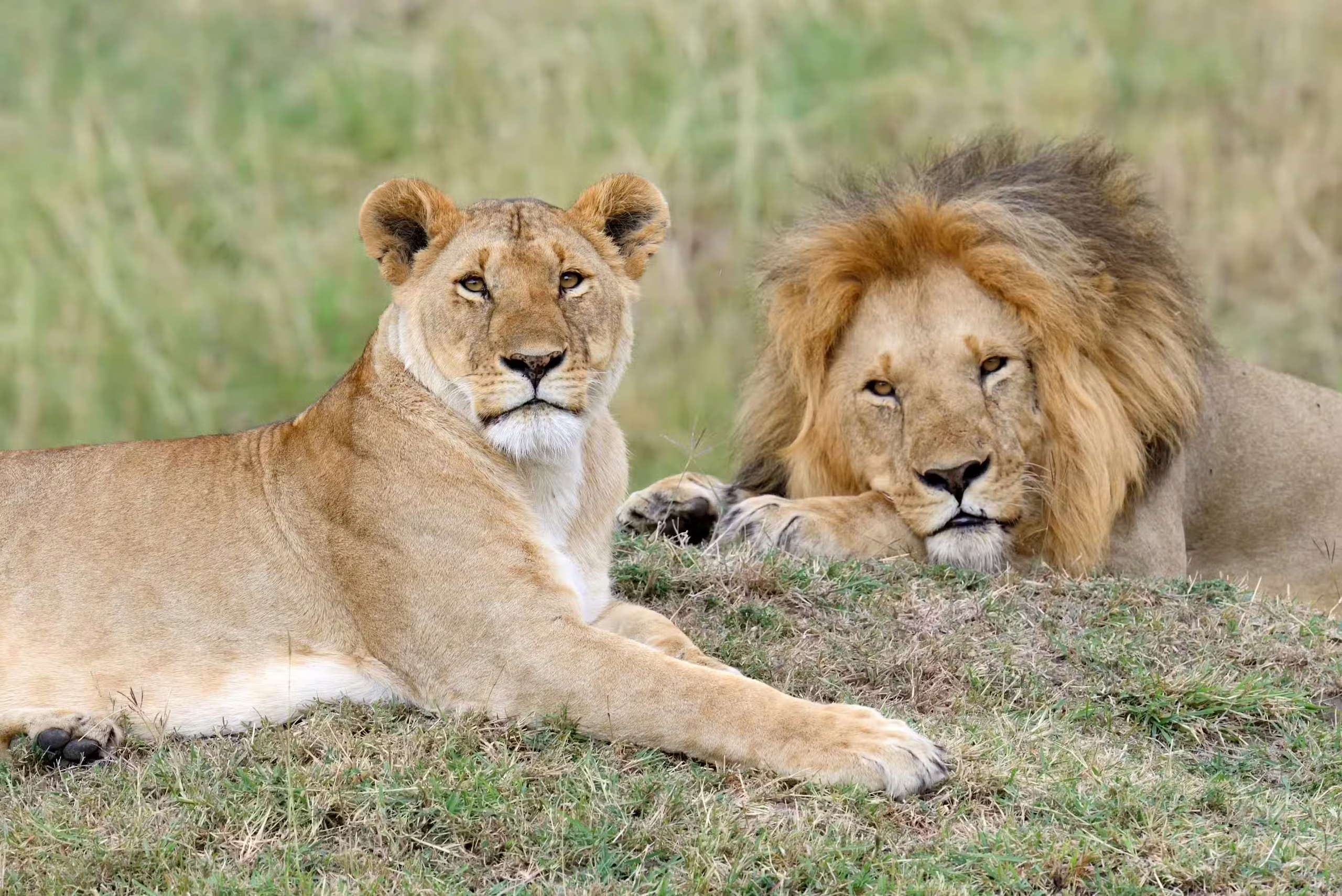
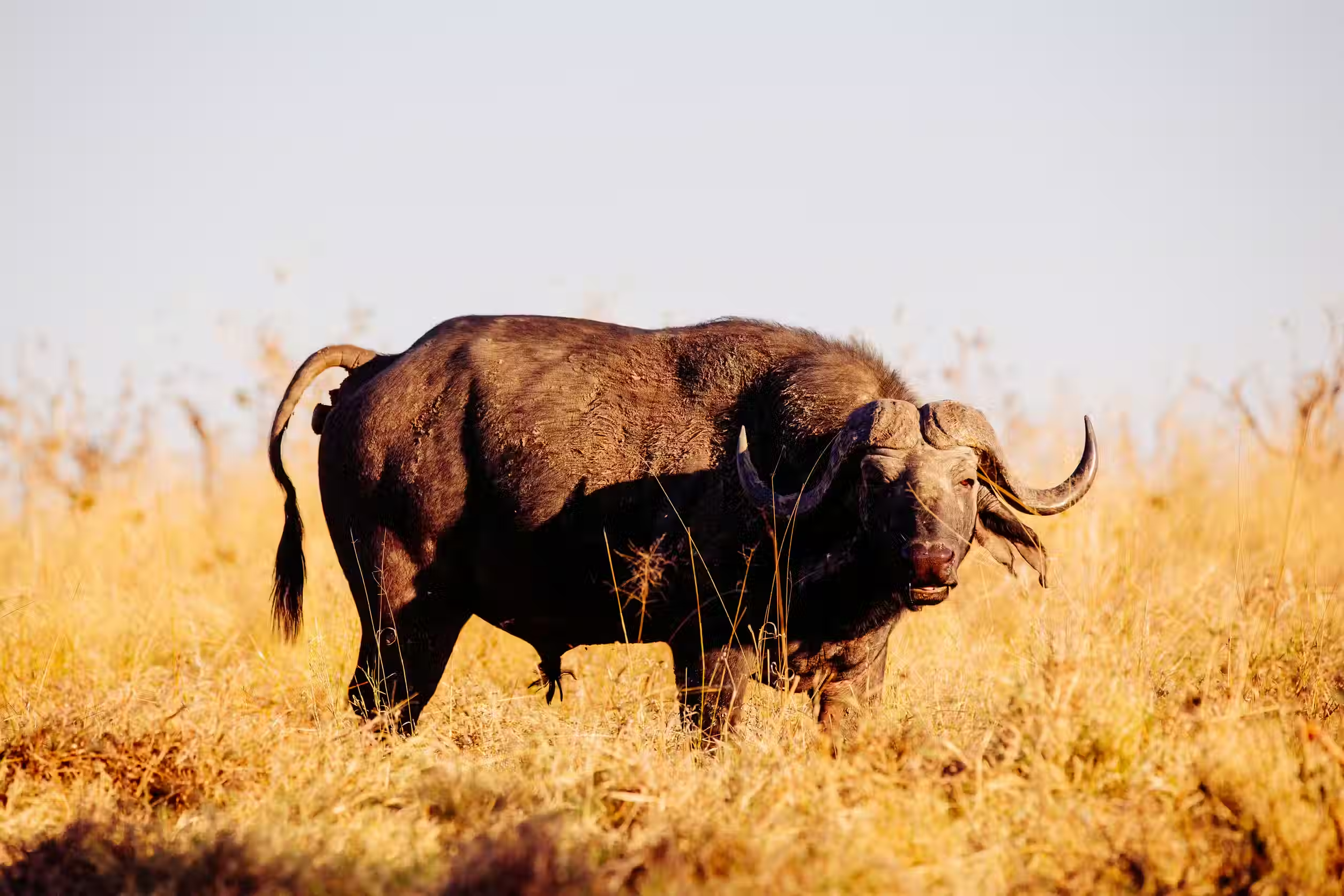
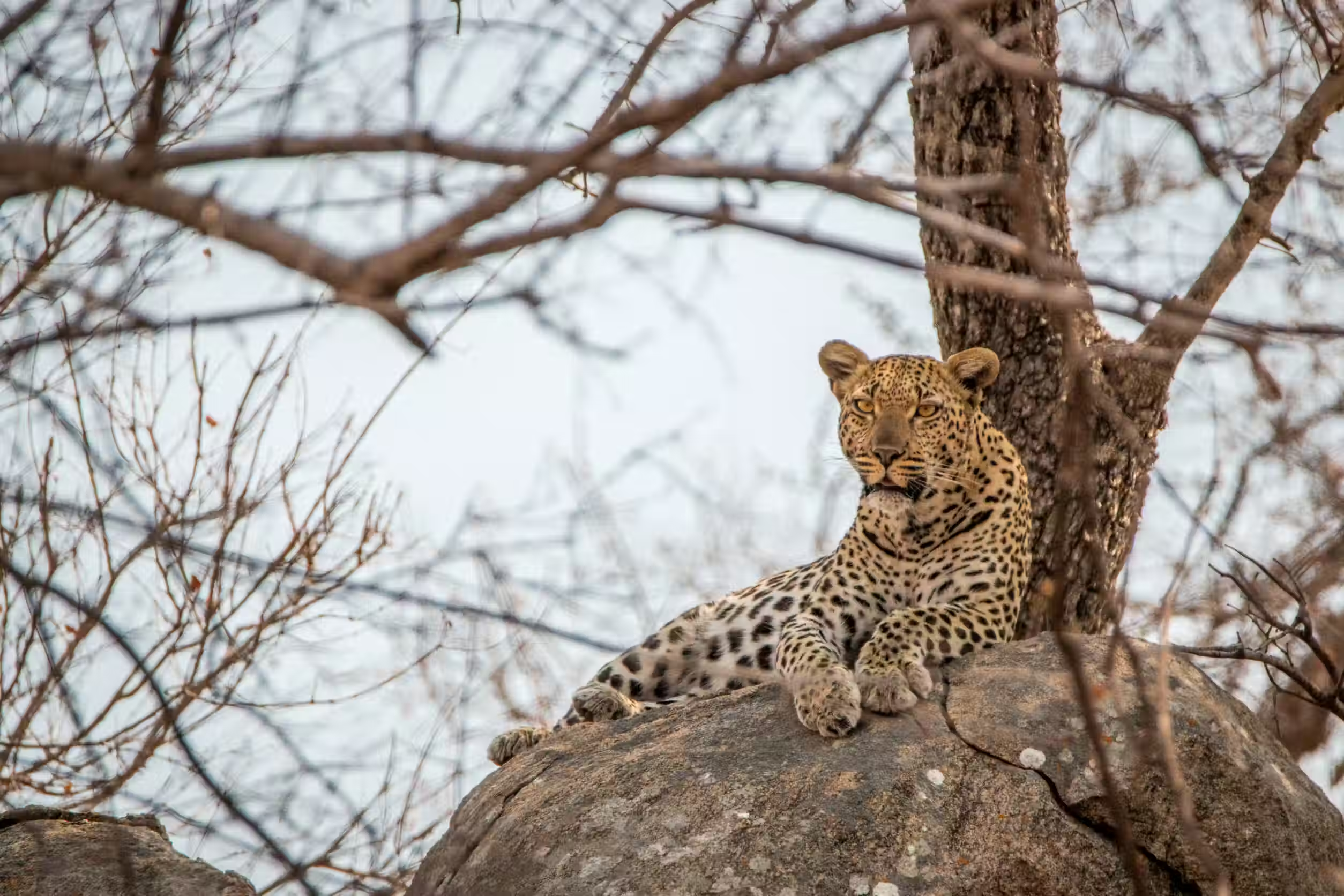
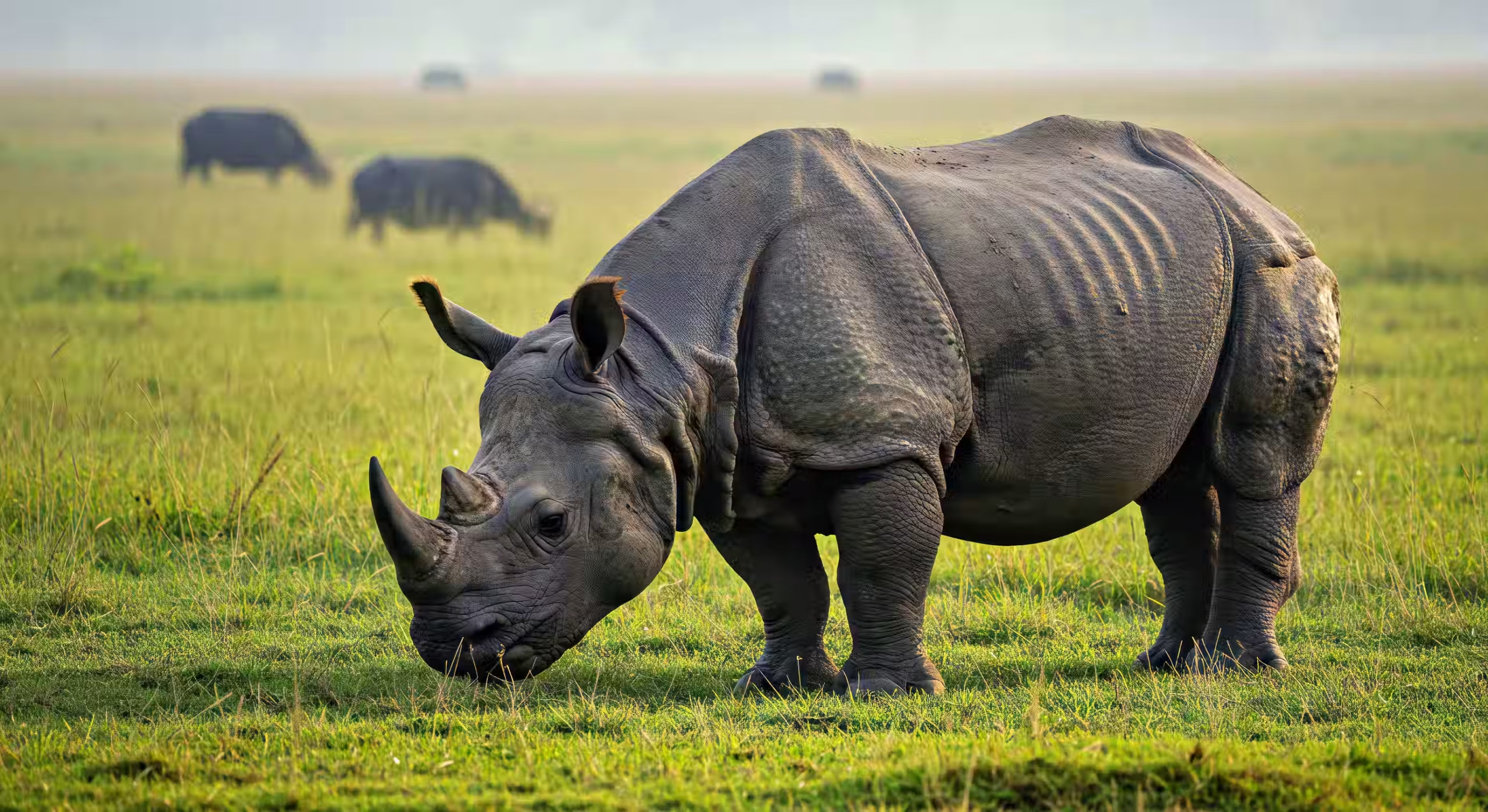
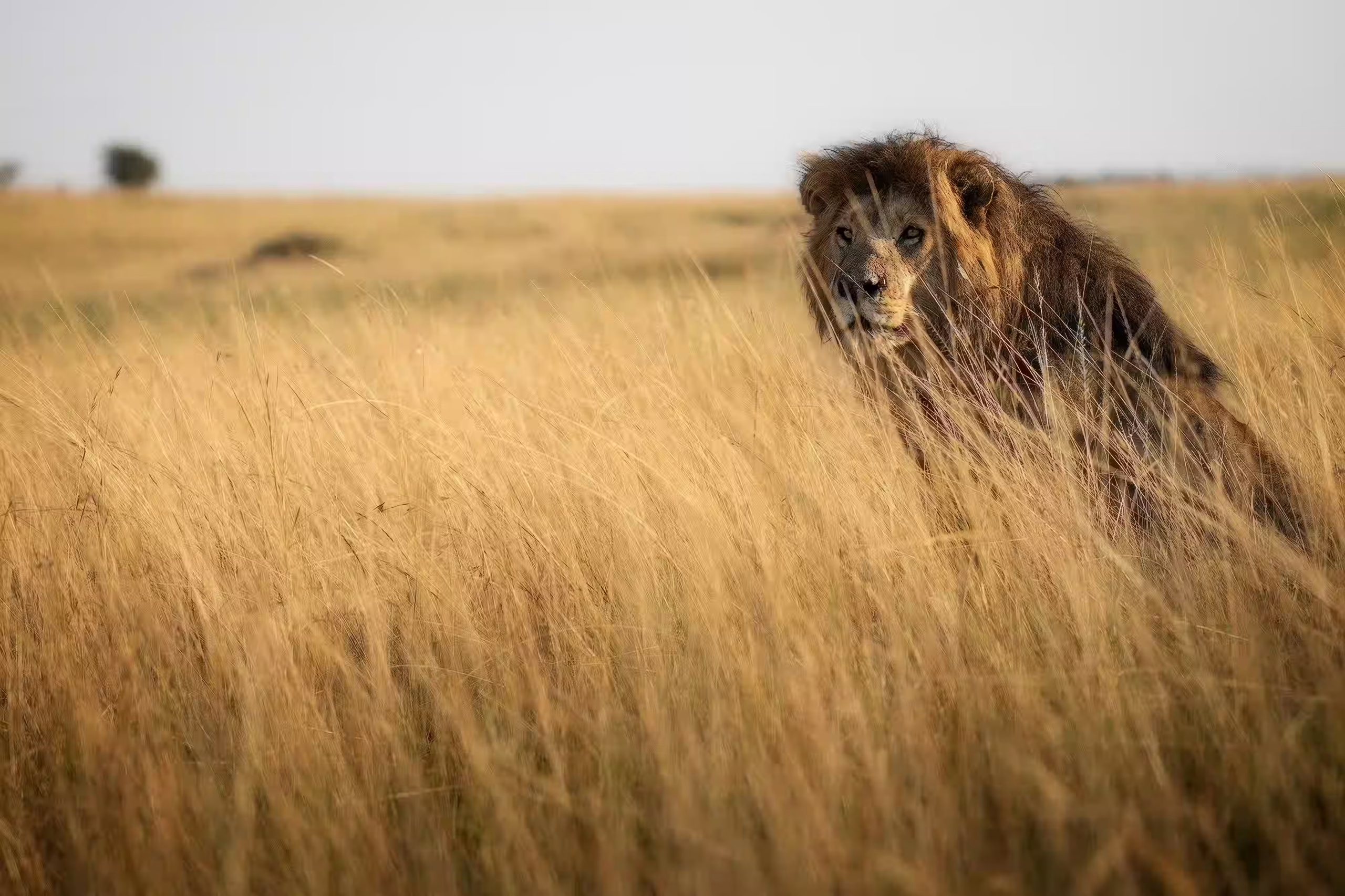
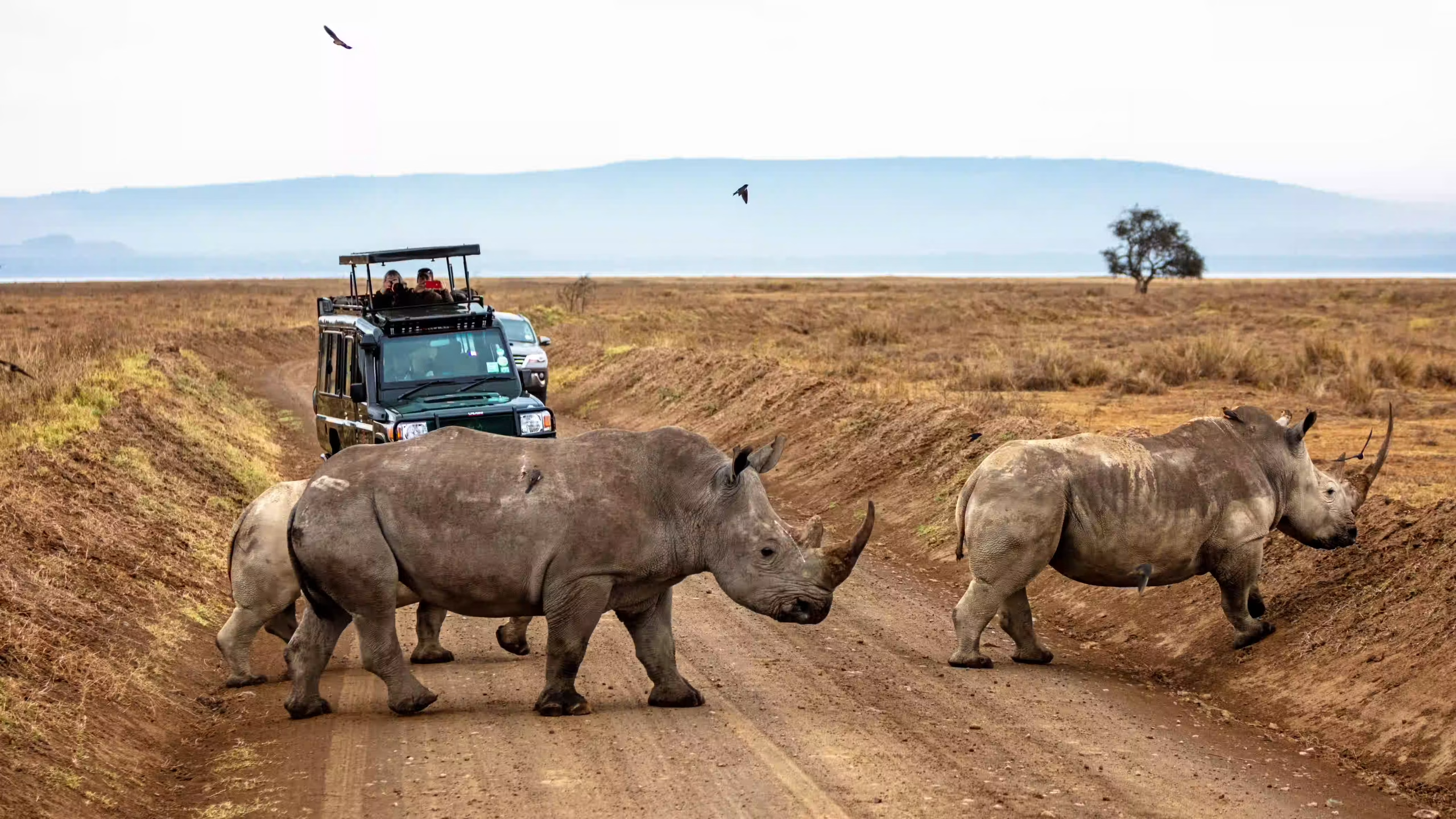
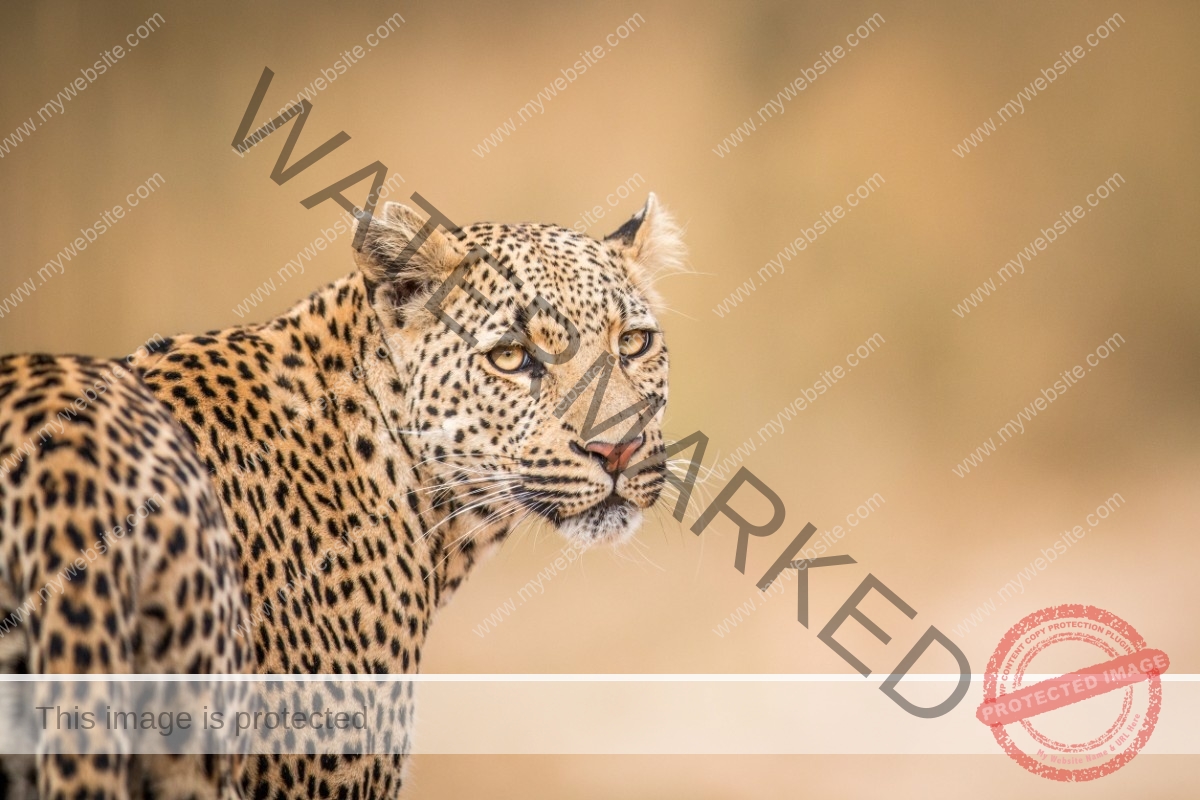
Embarking on a Big Five safari in Tanzania promises thrilling wildlife encounters. You will witness the magnificent lion, elusive leopard, majestic elephant, formidable buffalo, and endangered rhinoceros in their natural habitat. These safaris take you deep into Tanzania’s renowned national parks. Serengeti and Ngorongoro are prime locations for Big Five spotting. Expert guides lead you on this adventure. They ensure not only sightings but also share fascinating insights about each species. Expect to capture stunning photographs. Each moment is a chance to freeze a remarkable encounter in time.

  • Close encounters with the Big Five
  • Expert-led game drives
  • Incredible photo opportunities
  • Insightful wildlife education

Embark on a memorable journey, where every sighting adds to the thrill of the African wilderness.

The most affordable price

Customizing Your Safari Itinerary

Creating your safari itinerary is a thrilling part of the adventure. By customizing, you tailor the experience to your desires. A bespoke itinerary allows you to focus on interests. Enjoy more time at locations you find intriguing. Consider incorporating unique activities into your schedule. This could include cultural visits or hiking expeditions. Discuss your ideas with a knowledgeable tour operator. They can help plan a seamless journey.

Personalize Your Itinerary with Choices Like:

  • Extended time for photography or bird watching
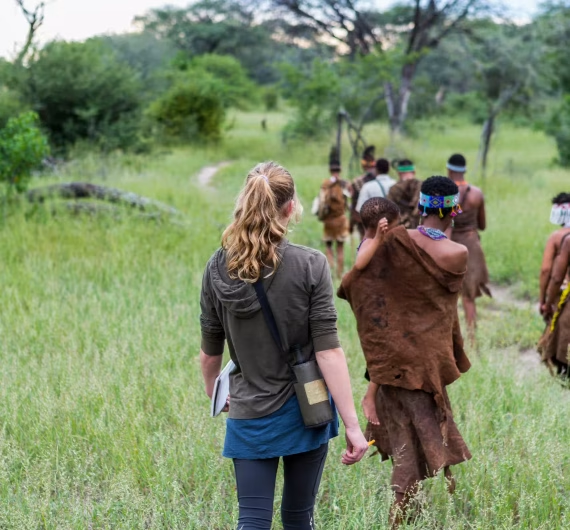
  • Cultural interactions with local tribes
  • Specialized wildlife tracking experiences

Design your safari to reflect personal preferences and interests. Let your journey be as unique as you are.


Our Recommendation

Combining Safari Tanzania and Zanzibar Packages

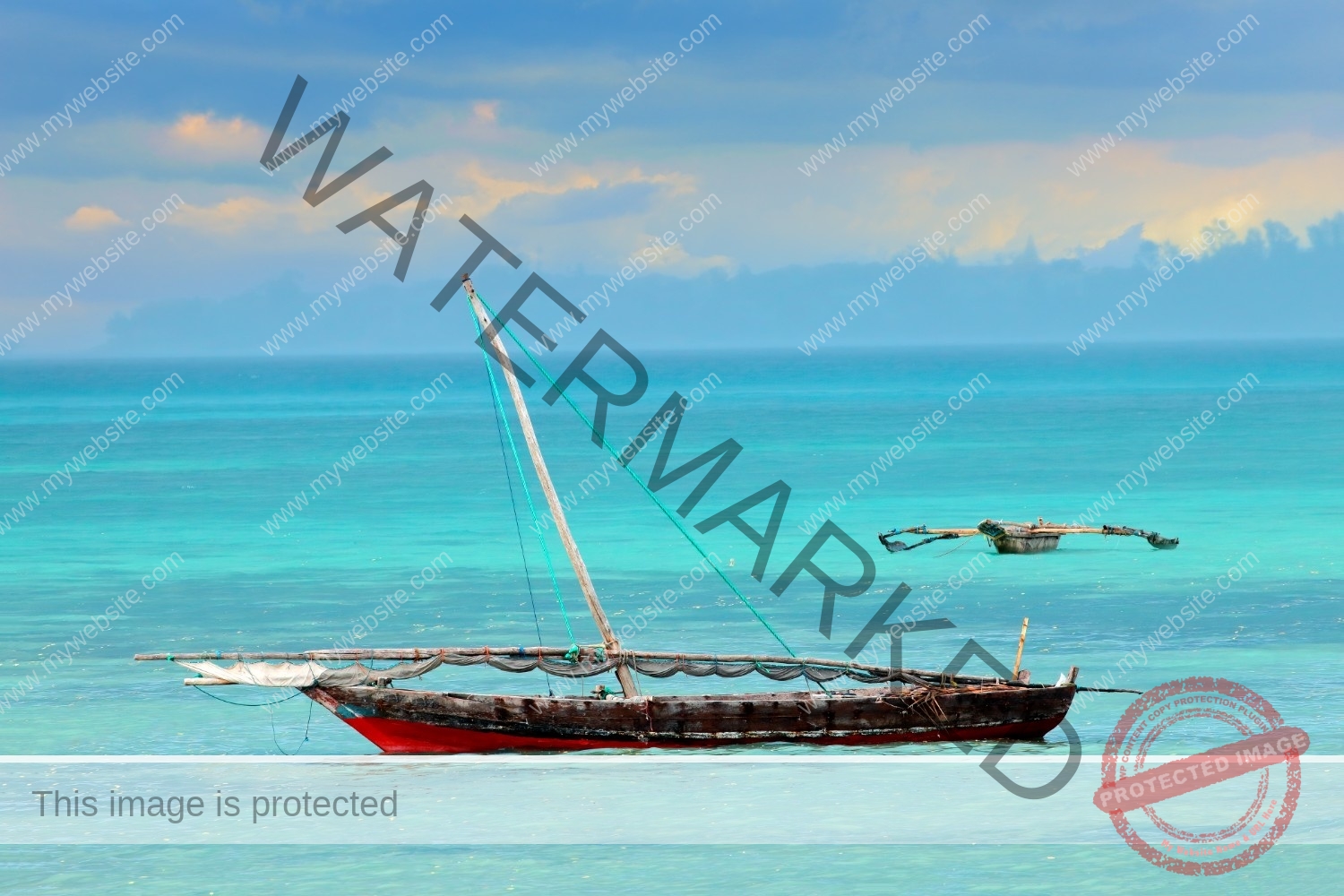
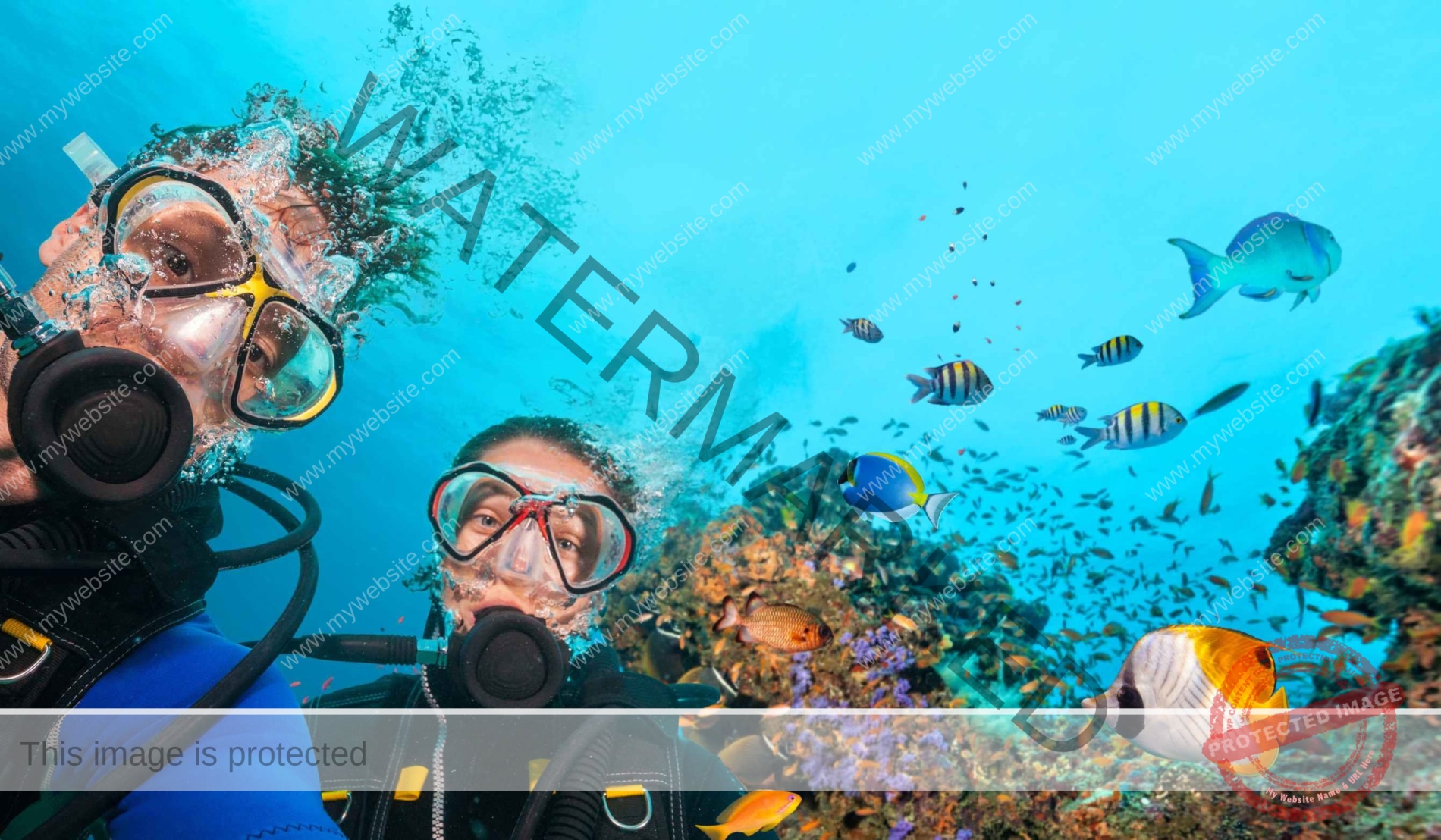
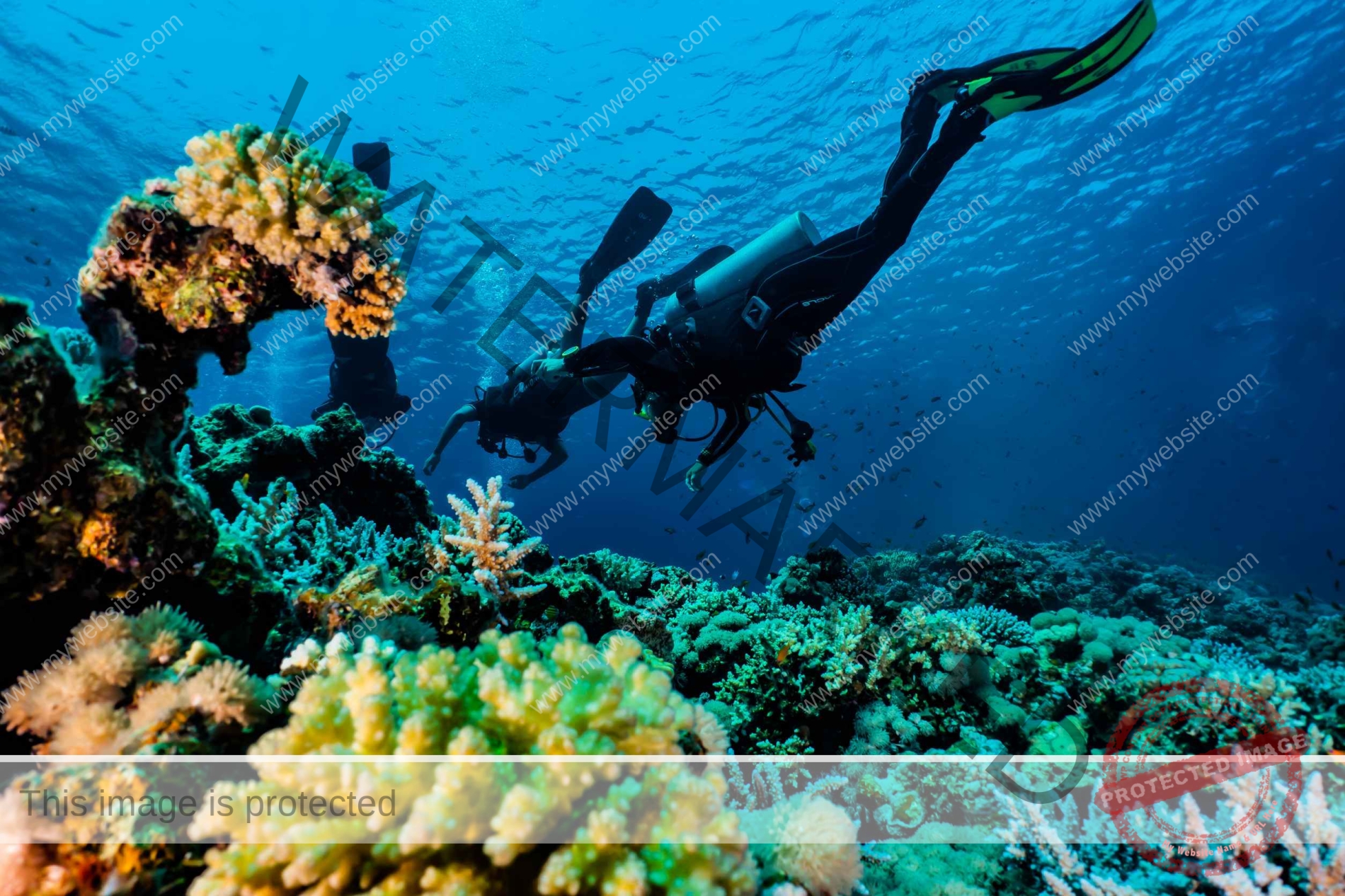
Tanzania safari and Zanzibar packages offer the perfect blend of adventure and relaxation. Pair thrilling wildlife experiences with serene beach escapes. Explore the wilderness first, then unwind on Zanzibar’s sandy shores. This combination enriches your African journey. Zanzibar packages often include marine activities, adding more excitement. Snorkeling and diving expose you to vibrant underwater worlds. Cultural tours on the island provide insight into local history. Discover the intricate architecture of Stone Town and its spice markets.

Choose packages that align with your travel style. Both budget-friendly and luxurious options exist.

Benefits of a Safari and Beach Package:

  • Witness diverse wildlife in national parks
  • Relax on pristine beaches post-safari
  • Immerse in Zanzibar’s rich cultural tapestry

Embrace a complete Tanzanian adventure by integrating safari thrills with coastal tranquility.

Zanzibar packages Highlights: Beaches, Culture, and Activities.

Zanzibar is known for more than just its beaches. Its culture and activities captivate visitors in many ways. The island offers a lively mix of experiences. From spice tours to historic sites, there’s something for everyone. Engage in water sports like windsurfing or diving. Discover marine life while enjoying the island’s clear waters.

Must-Do in Zanzibar:

  • Explore Stone Town’s rich history
  • Visit spice farms for a fragrant experience
  • Relax on beautiful beaches and partake in water sports

Zanzibar enhances your safari holiday by offering diverse attractions and relaxation.

Our Recommendation

Best Time to Visit: Seasons and Wildlife Viewing

Timing your trip to Tanzania significantly impacts your experience. The best time for safaris and beach visits aligns with the dry season. From June to October, wildlife is easier to spot in the parks. Animals gather around water sources, enhancing the viewing experience. Zanzibar is ideal during this season as well. Enjoy calm seas perfect for water-based activities.

Seasonal Highlights:

  • June-October: Optimal for wildlife and beach enjoyment
  • November-February: Green season offering lush landscapes
  • March-May: Rainy period, fewer tourists, and lower prices

Plan your visit around these periods for a memorable safari and beach adventure.

What’s Included in Tanzania Safari Packages?

Tanzania safari packages offer a comprehensive experience. They usually provide all the essentials for a hassle-free adventure.

Expect these inclusions in most packages:

  • Accommodation ranging from tents to luxury lodges
  • Guided tours by knowledgeable safari guides
  • Meals including local and international cuisine
  • Transfers between airports and parks

These elements ensure a seamless journey through Tanzania’s stunning landscapes.

Choose a package that fits your needs and explore with peace of mind. Whether you seek luxury or simplicity, there’s something for everyone.


How to Choose the Best tanzania safari and zanzibar packages and Tour Operators

Tips for a Memorable Tanzania Safari

Selecting a top notch safari requires thoughtful consideration. Look for operators with proven expertise and positive reviews.

Here are key factors to evaluate:

  • Reputation and experience in the safari industry
  • Responsiveness and clarity of communication
  • Variety of packages and customization options
  • Commitment to responsible tourism and conservation

Engage with operators who prioritize customer satisfaction and wildlife conservation. Take your time to research and compare options for the best experience. The right choice will enrich your adventure. Tanzania is home to some of Africa’s most iconic safari destinations. Its biodiversity is unparalleled. The country’s vast landscapes range from savannahs to mountains. Each offers unique safari experiences. Here, you can witness the Great Migration. Millions of wildebeests and zebras traverse the Serengeti. Tanzania’s parks are teeming with wildlife. You can spot lions, elephants, and rhinos in their natural habitats. The rich cultural heritage enhances your journey. Interact with Maasai tribes and learn their traditions. Tanzanian safaris offer unparalleled beauty and adventure. From thrilling wildlife encounters to breathtaking landscapes.

Prepare well for your safari to enhance the experience. A few key tips can make all the difference. Pack essentials like sunblock, a hat, and bug spray. Choosing comfortable clothing is also wise. Consider these tips:

  • Bring a good camera for capturing wildlife moments
  • Listen to your guide for safety and insights
  • Stay hydrated to enjoy the trip fully

Keeping an open mind can heighten the adventure. Tanzania offers diverse landscapes and wildlife. Embrace every moment of the journey.

Frequently Asked Questions About Tanzania safari and zanzibar packages

When planning a safari, several common questions arise. Addressing them can clarify concerns and enhance your adventure. What is included in typical safari packages? Most packages include accommodation, meals, and guided tours. Are safaris suitable for families? Yes, many are family-friendly and offer activities for children.

Consider these FAQs: By understanding these aspects, you can plan a seamless trip. Proper information leads to a more enjoyable safari experience.

  • What is the best time for safaris?
  • How safe are the safari lodges?
  • Can itineraries be customized?

Safari Itineraries

Itineraries help you visualize your adventure. A typical journey may last from several days to over a week. Imagine exploring the vast Serengeti for wildlife sightings. Combine this with a visit to the majestic Ngorongoro Crater. Tailor packages to fit your interests and schedule. Consider including unique experiences like a hot air balloon safari. Plan each moment to fully embrace the Tanzanian wilderness. This ensures an unforgettable safari.

Here’s a sneak peek into what some itineraries might include:

Tanzania safari and zanzibar packages

9-Day Luxury Honeymoon Safari & Beach

2pax = $ 4,513 2per person

Set off on a dreamy 9-Day Luxury Honeymoon Safari & Beach, a private journey for couples who want a lavish adventure that mixes Tanzania’s exciting Northern Circuit wildlife parks with the calm of Zanzibar’s warm Indian Ocean.
Explore More

4-Day Midrange Culture & Wildlife Tour

2pax = $ 1,223 per person

On the trip, you will enjoy open-roof game drives in Tarangire & the Ngorongoro Crater. You will also visit Chagga villages near Moshi. This area is home to one of Tanzania’s largest ethnic groups. You can taste fresh coffee, and watch herds of elephants. You will also see the Big Five: lions, leopards, buffalos, and rhinos in their natural habitat.
Explore More

07-Day Luxury Great Migration Safari

2pax = $ 3,821 Per Person

Where you can witness heart-stopping river crossings and meet the Big Five-lion, leopard, elephant, buffalo, and rhino-all set against stunning African backdrops. A private adventure made for travelers who want to track the famous wildebeest herd in style and comfort.
Explore More

7-Day Climb Kilimanjaro Marangu Route

2pax = $ 2,636 Per Person

Designed for Budget travelers, this trip keeps costs low while delivering an unforgettable journey. You will sleep in shared dorm-style huts. You will enjoy filling meals. You will trek with certified guides and friendly porters. They will handle gear and keep the group safe.
Explore More

6-Day Budget Safari and Zanzibar Beach Combo

2pax = $ 2,366 Per Person

Join us on the 6-Day Budget Safari and Zanzibar Beach Combo, a private tour specifically designed for budget travelers who wish to experience both wildlife jaw-dropping adventures and relaxing beach time in Tanzania.
Explore More

6-Day Mount Kilimanjaro Trek – Machame Route

2pax = $ 2734 Per Person

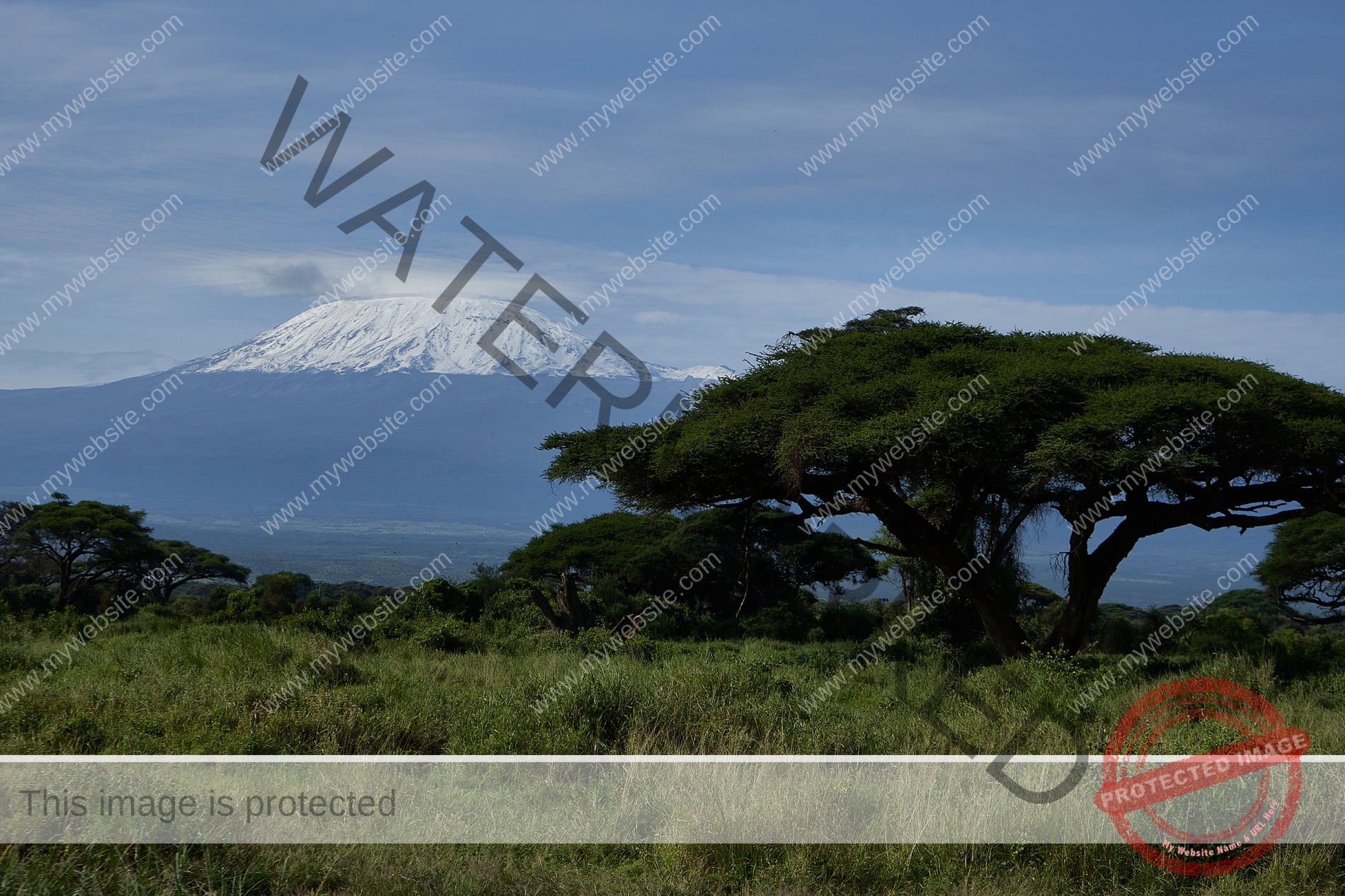
Join us for an exciting 6-day climb of Kilimanjaro with Visit Tanzania. We will take the famous Machame Route. This is a beautiful journey to the top of Mount Kilimanjaro, which stands at 5,895 meters (19,341 feet) It is Africa’s highest peak.
Click Here

Conclusion: Start Planning Your Dream Tanzania Safari

Tanzania awaits with its extraordinary landscapes and rich wildlife. Begin crafting your ideal safari today. From the vast Serengeti plains to the stunning beaches of Zanzibar, experiences are abundant. Each moment promises adventure and discovery. Connect with trusted tour operators to tailor your journey. Transform your safari dreams into unforgettable memories.


Mount Kilimanjaro Wildlife: Discover Diverse Animals

Climb Kilimanjaro

Tanzania Travel Guide 

Mount Kilimanjaro Wildlife: Discover Diverse Animals

Mount Kilimanjaro is a marvel of nature. It stands tall as Africa’s highest peak. But it’s not just the height that captivates visitors. The mountain is a sanctuary for diverse wildlife. Its unique ecosystems host a variety of animals. From the lush rainforests to the arid summit, life thrives. Each zone on Kilimanjaro offers a different habitat. This diversity supports a wide range of species. Elephants roam the lower slopes, while rare birds soar above. The mountain’s wildlife is a draw for nature lovers. It offers a glimpse into the rich biodiversity of Tanzania. 

Visitors can witness animals in their natural habitat. Kilimanjaro’s wildlife is not just about big mammals. It includes colorful birds, elusive reptiles, and unique insects. Each species plays a role in the ecosystem. Conservation efforts are vital to protect this biodiversity. The mountain’s wildlife faces threats from climate change and human activity. Preserving these habitats is crucial for future generations. Exploring Kilimanjaro’s wildlife is an unforgettable experience. It connects visitors with nature’s wonders. The mountain’s animals are a testament to the resilience of life.

The Unique Ecosystems of Mount Kilimanjaro

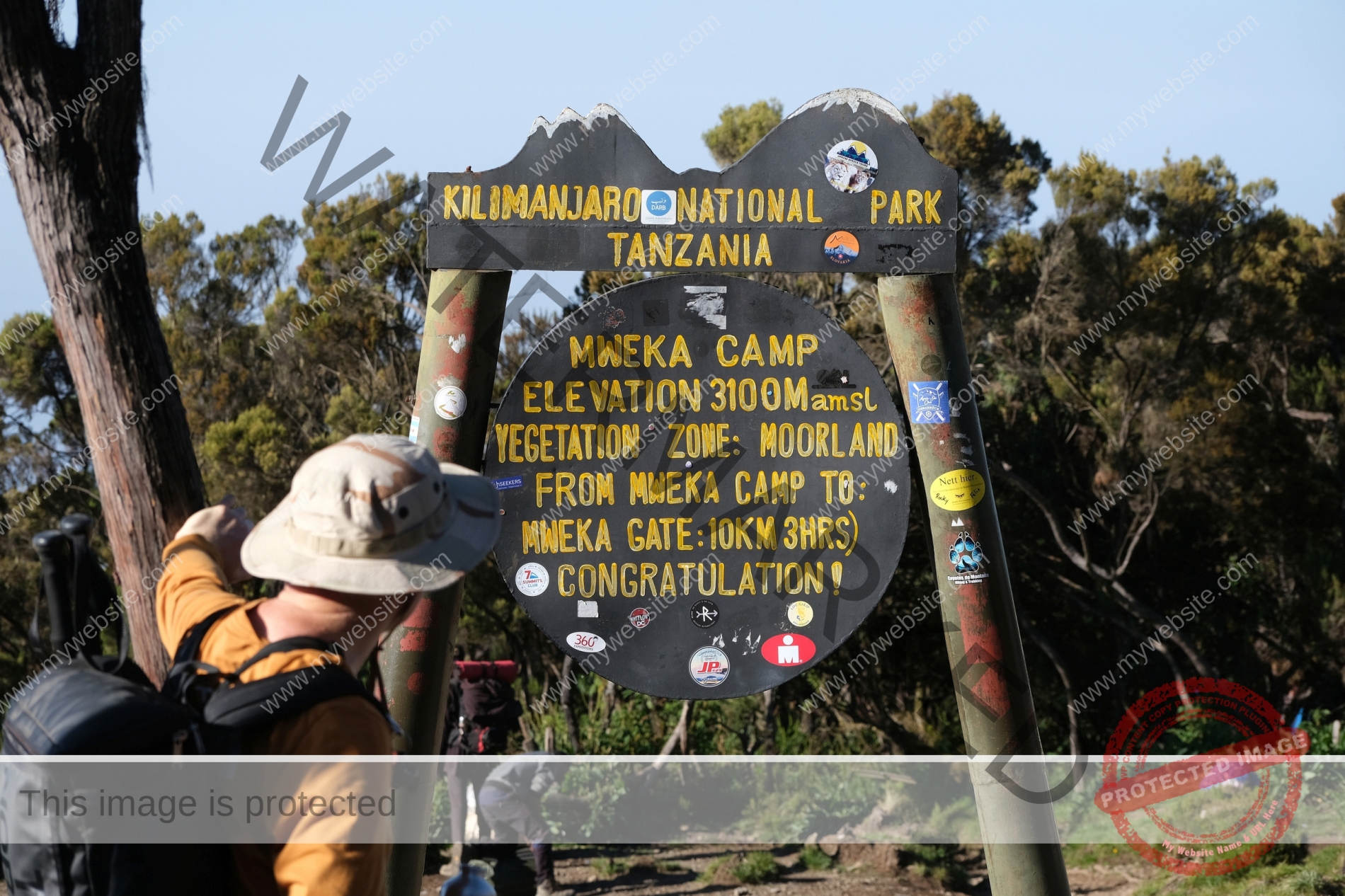
Mount Kilimanjaro’s ecosystems are distinct and varied. The mountain features climatic zones that change with elevation. These zones create diverse habitats for its wildlife. The lower slopes are rich with rainforests. Here, one can find lush vegetation and a variety of species. The dense forests support a range of animals and birds. Above the rainforest lies the moorland zone. This area is marked by grasslands and unique plant species. It is home to smaller mammals and vibrant wildflowers. Next, the alpine desert zone emerges. The environment is stark with little vegetation. Yet, some hardy species persist in this challenging terrain. Finally, the summit is an arctic desert. Few organisms can survive the extreme cold. However, the sheer beauty of the icy landscape captivates adventurers.

  • Elephants and buffaloes in the forests
  • Rare birds in the highlands
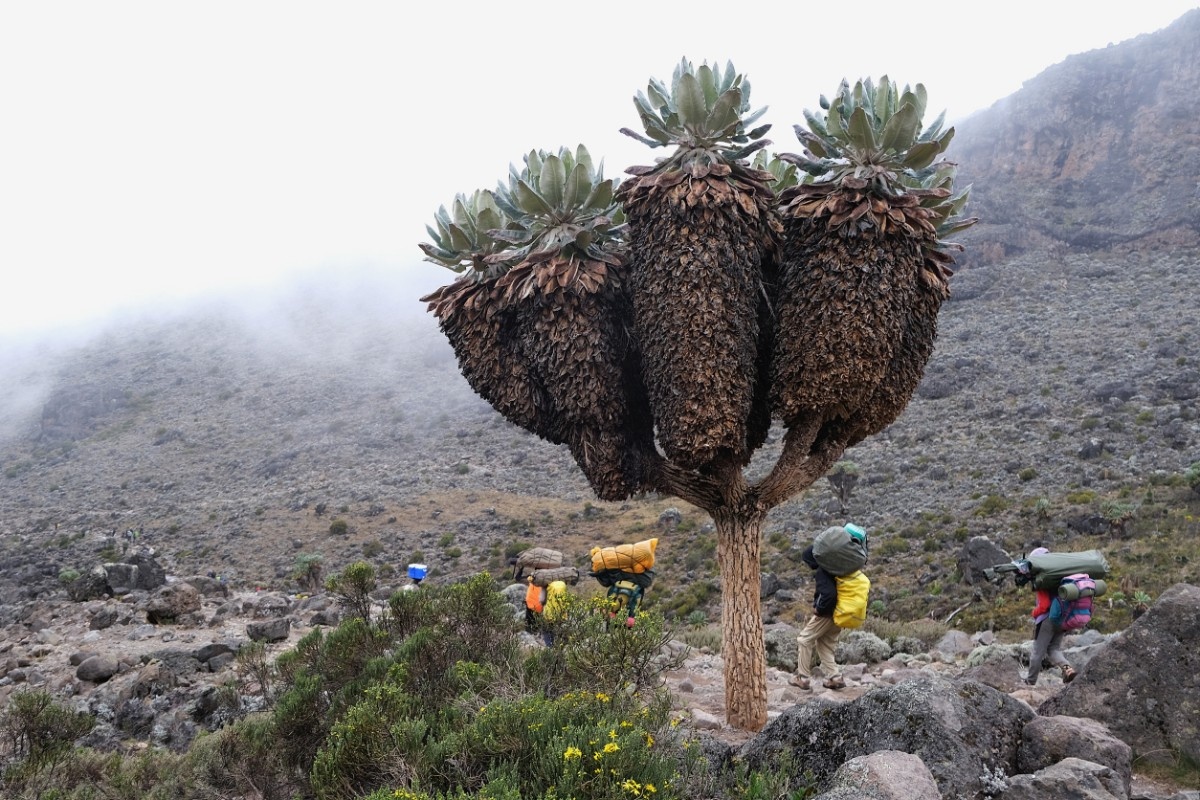
  • Unique plants, like giant groundsels

The ecological diversity on Kilimanjaro is remarkable. Each zone offers insights into nature’s adaptability. This diversity is a major attraction for scientists and tourists alike.

Wildlife Kilimanjaro: An Overview of Biodiversity

Mount Kilimanjaro hosts a rich tapestry of life. Its altitude and climate changes create unique habitats. Each layer supports distinct animal communities.
The mountain is home to over 180 bird species. These range from tiny sunbirds to majestic raptors. Birdwatching opportunities are abundant here.
Apart from birds, larger mammals populate Kilimanjaro. Elephants and buffaloes roam the lower zones. Leopards and antelope can be spotted in the forests.
Diverse smaller creatures thrive too. Unique species like the Kilimanjaro tree hyrax abound. These animals showcase the mountain’s ecological variety.

  • Numerous bird species
  • Large mammals like elephants and leopards
  • Smaller mammals unique to the region

Wildlife on Mount Kilimanjaro is truly diverse. This diversity attracts nature lovers worldwide. Exploring Kilimanjaro offers endless surprises for every adventurer.

Iconic Mammals of Mount Kilimanjaro

Mount Kilimanjaro’s iconic mammals captivate adventurers and wildlife enthusiasts alike. From the mammoth elephants to the secretive leopards, each animal is a thrill to spot. Large mammals dominate the lower slopes. Their presence is a testament to Kilimanjaro’s wild appeal.
Here, elephants and buffaloes form significant groups. These giants shape the landscape as they move. Secretive predators like leopards live on the lower slopes too. However, sighting a leopard is a rare and special occasion.


Serval cats, with their striking appearance, hunt in these areas as well. Their agility and stealth make them adept hunters. Antelope species, such as duikers and bushbucks, inhabit the forest zones. They blend seamlessly with their surroundings. The bushbuck, a browsing antelope, depends heavily on the forest. Observing these creatures is a delight for any wildlife enthusiast.


Each of these mammals plays a crucial role in Kilimanjaro’s ecosystem. Their survival reflects the health of these habitats.
Mammalian wonders include:

  • Elephants and buffaloes
  • Leopards and servals
  • Duikers and bushbucks

Blue Monkeys and Colobus Monkeys

Blue monkeys, with their distinctive coloring, enliven Kilimanjaro’s forests. They move swiftly among the treetops.

Colobus monkeys, with their striking black-and-white fur, are equally captivating. Their quiet nature offers a serene forest experience. Both species contribute to Kilimanjaro’s vibrant ecosystem. Their agile movements and social behaviors intrigue visitors.

Elephants and Buffaloes: Giants of the Lower Slopes

Elephants, Kilimanjaro’s massive residents, roam freely across the plains. These gentle giants leave a lasting impact on visitors.
Buffaloes, with their imposing horns, travel in herds. Their presence is both majestic and awe-inspiring.
Together, elephants and buffaloes shape Kilimanjaro’s landscape. Their trails create paths through the wilderness.

Primates of Kilimanjaro: Monkeys and Bushbabies

Mount Kilimanjaro’s lush forests host a variety of primates. Their lively antics charm hikers and nature enthusiasts. Observing these creatures is a highlight of any trek. Kilimanjaro is renowned for its primate diversity. Each species has unique traits and behaviors. These animals thrive in the forest canopy, helping sustain ecological balance. The forest hums with the calls of different primates. From chattering monkeys to quiet bushbabies, every primate adds to this wild concert. The presence of these primates enriches Kilimanjaro’s biodiversity. They are essential for the forest’s health and vitality.

Key primates include:

  • Blue monkeys
  • Colobus monkeys
  • Olive baboons
  • Bushbabies

Their habitats span from lower forest areas to higher altitudes. Adaptation is key for survival here. Primates are a wonder to witness in this natural setting.

Leopards and Serval Cats: Elusive Predators

Leopards, although tough to find, fascinate travelers. These stealthy predators are kings of their domain.
Serval cats with their long legs and spot patterns are a sight to see. Spotting them in the wild is a true challenge.
These cats hunt mostly at dusk or dawn. Their elusive nature adds to Kilimanjaro’s mystery.

Unique Antelopes: Duikers and Bushbucks

Duikers and bushbucks inhabit Kilimanjaro’s dense forests. Their intricate adaptation to the environment is remarkable.
These antelopes are shy, often keeping to thickets. Their keen senses alert them to approaching predators.
Spotting a duiker or bushbuck is a special experience. Their secretive lives offer a glimpse into the forest’s secrets.

Types of Tanzania Safari Packages

Climbing Mount Kilimanjaro in Tanzania offers various package types tailored to different preferences, budgets, and fitness levels. These packages typically include guided treks, accommodations, meals, and support from porters and guides, with options to combine climbs with safaris or cultural experiences. Below is an overview of the main types of Kilimanjaro climbing packages based on routes, duration, group size, and additional features.

Olive Baboons and Bushbabies

Olive baboons are often seen in groups, bustling with energy. These social animals interact in lively troops. Bushbabies, on the other hand, are nocturnal and elusive. Their large eyes make them well-suited for night activities. While baboons dominate the day, bushbabies explore the night. Both species offer distinct glimpses into Kilimanjaro’s primate life.

Small Mammals and Unique Species

Mount Kilimanjaro hosts numerous small mammals. These creatures, though less famous, play crucial ecological roles. Their presence highlights the mountain’s rich biodiversity.
Among these mammals are species not found elsewhere. Adapted to specific habitats, they exhibit remarkable survival techniques. Their roles range from seed dispersal to pest control.
Key small mammals include the tree hyrax and the Kilimanjaro shrew. Both are unique to this region. Their behaviors are fascinating to observe.
Other noteworthy species are the mongoose and the four-striped mouse. These agile animals dart through the underbrush. Their interactions with the environment are essential.
Small mammals contribute to Kilimanjaro’s ecological balance. Studying them offers insights into the mountain’s ecosystems.

Tree Hyrax and Kilimanjaro Shrew

The tree hyrax, resembling a small rodent, plays an important role in the forest ecosystem. Despite their size, they are surprisingly related to elephants.
The elusive Kilimanjaro shrew is endemic to the region. Its diminutive size belies its ecological importance. Both species are integral to Kilimanjaro’s wildlife tapestry.

Mongoose and Four-Striped Mouse

Mongooses are agile predators in the underbrush. Their quick reflexes and keen senses make them formidable hunters in the grasslands.
The four-striped mouse is a common sight in these parts. Its distinctive stripes and agility help it avoid predators. Both species exemplify the adaptability found on Kilimanjaro.

Reptiles and Amphibians of Kilimanjaro

Reptiles and amphibians, though often overlooked, are vital to Kilimanjaro’s ecosystem. They thrive across the mountain’s unique habitats. These creatures exhibit fascinating adaptations for survival.
Visitors may encounter various reptiles and amphibians here. Their presence underscores the mountain’s biodiversity. Each species plays a specific role in its environment.
Notable species include:

  • Jackson’s Chameleon
  • African rock python
  • Common skinks

Jackson’s Chameleon and Other Reptiles

Jackson’s Chameleon is one of Kilimanjaro’s colorful inhabitants. Its distinct horns and camouflage skills are remarkable. This lizard adapts perfectly to the forested areas.
Other reptiles like skinks and pythons dwell here too. These reptiles reveal the diverse animal life at different altitudes. Their unique traits offer a glimpse into their survival strategies.

The most affordable price

Customizing Your Kilimanjaro Climb Itinerary

Planning your Kilimanjaro itinerary is one of the fun parts of getting ready to climb. When you customize the days, you make the trip fit your taste and fitness level. A personal schedule lets you pick which route, rest hike, or extra night you want. You can linger on beautiful paths or add an extra day just to adjust to the altitude. You might even add special side trips, like meeting local guides or reviewing summit tips. Work with a pro tour company, and they ll turn your ideas into a smooth, budget-friendly plan.

Personalize Your Itinerary with Choices Like:

  • Extended acclimatization days for higher summit success

  • Cultural interactions with Chagga or Maasai communities

  • Specialized guided treks on scenic routes like Lemosho or Machame Design your Kilimanjaro climb to reflect your personal interests and aspirations. Make your ascent as unique as you are.

Reptiles and Amphibians of Kilimanjaro

Reptiles and amphibians, though often overlooked, are vital to Kilimanjaro’s ecosystem. They thrive across the mountain’s unique habitats. These creatures exhibit fascinating adaptations for survival.

Visitors may encounter various reptiles and amphibians here. Their presence underscores the mountain’s biodiversity. Each species plays a specific role in its environment.

Notable species include:

  • Jackson’s Chameleon
  • African rock python
  • Common skinks

Jackson’s Chameleon and Other Reptiles

Jackson’s Chameleon is one of Kilimanjaro’s colorful inhabitants. Its distinct horns and camouflage skills are remarkable. This lizard adapts perfectly to the forested areas.

Other reptiles like skinks and pythons dwell here too. These reptiles reveal the diverse animal life at different altitudes. Their unique traits offer a glimpse into their survival strategies.

Birdlife: Kilimanjaro’s Feathered Residents

The birdlife on Mount Kilimanjaro is truly captivating. With over 180 bird species, the mountain is a haven for birdwatchers. These avian residents add vibrant colors and songs to the landscape. Each climatic zone hosts a unique array of birds. From forest-dwelling species to high-altitude flyers, diversity abounds. Birdlife on Kilimanjaro adapts to changing climates with ease. Species that frequent the area include:

  • Abbott’s Starling
  • Malachite Sunbird
  • Tawny Eagle

Endemic birds enrich the mountain’s ecological tapestry. Visitors often spot rare and beautiful species. Each bird contributes to the rich Kilimanjaro ecosystem. Notably, birdwatchers can witness impressive seasonal migrations. The movements bring an influx of temporary visitors. Witnessing these migrations is a magical experience.

Notable Birds: White-Necked Raven, Sunbirds, and Raptors

The White-Necked Raven is a high-altitude dweller. Known for its intelligence, it thrives on Kilimanjaro. This raven often surprises with complex behaviors. Sunbirds add brightness with their dazzling plumage. They flit among flowers, feeding on nectar. Their presence signals a thriving ecosystem. Raptors, like eagles and buzzards, patrol the skies. These hunters dominate Kilimanjaro’s upper realms. Spotting one in flight is always a thrilling sight.

Birdlife: Kilimanjaro’s Feathered Residents

Insects and Other Small Creatures

Flora and Its Role in Kilimanjaro’s Wildlife

Mount Kilimanjaro is alive with an array of insects and other tiny creatures. These small inhabitants play vital roles in the ecosystem, from pollination to decomposing organic matter. Noteworthy small creatures found on Kilimanjaro include:

  • Butterflies
  • Beetles
  • Ants
Insects and Other Small Creatures in Kilimanjaro

Wildlife Viewing Tips for Kilimanjaro Visitors

Exploring the wildlife of Kilimanjaro can be an unforgettable experience. To make the most of your visit, consider some practical tips. Plan your visit during the dry season. Animals are more active, and trails are accessible. This enhances your wildlife viewing opportunities. Respect wildlife by maintaining a safe distance. Use binoculars or a zoom lens for close-up views without disturbing animals.

Here are additional tips:

  • Wear neutral colors
  • Be quiet and patient
  • Follow park guidelines

Following these tips ensures a rewarding and respectful wildlife experience.

The flora of Mount Kilimanjaro is as varied as its wildlife. This plant life supports the mountain’s diverse ecosystems.

Unique plant species provide habitat and food sources for animals. The range of plant zones is a testament to the mountain’s ecological richness. Key plant species include:

  • Giant groundsels
  • Lobelias
  • Heather

These plants thrive in distinct climatic zones, each contributing to the mountain’s lush biodiversity.

Conservation Efforts and Threats to Kilimanjaro Wildlife

Conservation efforts are vital for protecting Mount Kilimanjaro’s unique wildlife. The mountain faces numerous environmental threats, necessitating urgent action.

Deforestation and climate change are two major challenges. These threats reduce habitats and disrupt ecological balances.

Conservation initiatives focus on preserving and restoring habitats. They also promote sustainable tourism to minimize human impact on wildlife.

Local communities participate in conservation to preserve their natural heritage. This involvement is essential for long-term success.

Key efforts include:

  • Wildlife monitoring programs
  • Reforestation projects
  • Environmental awareness campaigns

These initiatives aim to safeguard Kilimanjaro’s biodiversity for future generations.

The Importance of Kilimanjaro Wildlife to Local Culture and Economy

Kilimanjaro wildlife is deeply tied to local culture. The rich biodiversity has been a source of traditional knowledge and practices for generations.

The animals also play a vital role in the economy. They attract tourists, boosting local businesses and employment opportunities. This supports community development and conservation initiatives.

Key economic contributions include:

  • Wildlife tourism
  • Local craft sales
  • Cultural exchange programs

Preserving wildlife is critical for sustaining these cultural and economic benefits.

Frequently Asked Questions About Kilimanjaro Animals

Mount Kilimanjaro is home to many species. Expect to see elephants, buffaloes, and leopards on the lower slopes. Primates like blue monkeys and olive baboons inhabit the forest zones.

Yes, Kilimanjaro hosts endangered species. These include Abbott’s starling and the Kilimanjaro red duiker. Conservation efforts aim to protect them.

Yes, wildlife photography is popular. However, respect animal space and follow park guidelines. No flash photography is allowed.

Visitors can support conservation. Participate by:

  • Donating to local initiatives
  • Choosing eco-friendly tours
  • Spreading awareness on wildlife protection

Every effort matters in protecting Kilimanjaro’s unique ecosystem.

The Wonder of Mount Kilimanjaro Wildlife

Mount Kilimanjaro’s wildlife is a true marvel. The unique species adapted to diverse climates create an extraordinary ecosystem. Each animal plays a role in this vibrant tapestry.
Experiencing Kilimanjaro’s wildlife can be life-changing. From the grand elephants to colorful sunbirds, the mountain teems with life. Witnessing this biodiversity firsthand is unforgettable.
As we appreciate Kilimanjaro’s wonders, conservation becomes crucial. Protecting these wildlife habitats ensures their survival for future generations. Our commitment is vital to preserving this natural heritage.

Kilimanjaro Training & Porter Support Guide

training for Kilimanjaro

Tanzania Travel Guide 

Training for kilimanjaro: Also, the support you get from porter & guide

Training for kilimanjaro Climbing it is a must, since Mount Kilimanjaro is a dream for many adventurers. Reaching Uhuru Peak, the highest point in Africa, is a remarkable achievement. Proper training is essential for a successful ascent. It involves physical preparation, mental resilience, and understanding the mountain’s challenges. Porters and guides play a crucial role in this journey. They provide support, carry supplies, and ensure safety. Their expertise and dedication are vital for climbers aiming to reach the summit.

This guide will explore how to train effectively and appreciate the indispensable role of porters and guides.

Tanzania Travel Guide: Understanding Mount Kilimanjaro’s Challenge and Dream

Mount Kilimanjaro stands majestically at 5,895 meters. It’s the tallest free-standing mountain in the world. Climbers are drawn to its snow-capped peaks and stunning vistas. Training for Kilimanjaro requires determination and preparation. Various routes, like Marangu and Machame, each present unique challenges.

  • Altitude affects climbers differently.
  • Diverse climate zones are traversed.
  • Physical and mental endurance is tested.

Achieving this dream isn’t easy, but the rewards are profound, leaving climbers with memories and a sense of accomplishment.

Proper training increases your chances of reaching Uhuru Peak successfully. Without it, you risk altitude sickness and exhaustion. Training builds physical stamina and mental toughness. Physical fitness is crucial for enduring long hikes. Cardiovascular exercises, like running and cycling, improve lung capacity. Strength training targets muscles used during the ascent. Mental preparation is also key. Climbers face unpredictable weather and challenging terrain. Positive thinking and stress management help maintain motivation.

Tanzania Trekking Guide: Why Training for Kilimanjaro Matters for Body and Mind

  • Cardio exercises for endurance
  • Strength training for resilience
  • Mindfulness for mental clarity

Prioritize your training months before the climb. Train consistently, and you’ll be better prepared to face Kilimanjaro’s challenges head-on.

Essential Physical Training for Kilimanjaro Climbers

Effective physical training is crucial for conquering Mount Kilimanjaro. It enhances endurance and reduces injury risk. Build your training plan around core components. Starting with cardiovascular fitness is key. It boosts stamina for those long daily hikes. Aim to combine this with strength exercises focusing on the entire body. Flexibility is another essential factor. It helps prevent injuries, especially on uneven terrain. Incorporate exercises like yoga and stretching into your routine. Before your trip, simulate conditions you’ll face on Kilimanjaro. Altitude acclimatization prepares your body for low oxygen levels. Consider altitude simulation methods if possible.

Focus Areas for Kilimanjaro Training:

  • Cardiovascular workouts for endurance
  • Strength and flexibility exercises
  • Altitude acclimatization strategies

Ensure your training plan covers these areas. With dedicated preparation, you’ll be ready to tackle the mountain’s challenges.

Cardiovascular Fitness and Endurance for Hiking Kilimanjaro

Building cardiovascular fitness is a must for Kilimanjaro climbers. It prepares your heart and lungs for the challenging trek. Engaging in consistent cardio workouts will help you tackle the demanding ascent. Cardio activities should include running and swimming. These boost your stamina and improve oxygen flow. Incorporate interval training for added intensity and endurance.

Suggested Cardio Workouts:

  • Running (3-5 times per week)
  • Swimming (2-3 times per week)
  • Interval training (1-2 times per week)

Cardio exercises will improve your overall physical readiness, ensuring you feel strong and capable during your climb.

Strength and Flexibility Training for Hiking Kilimanjaro

Strength training is essential for Kilimanjaro success. It supports your body during long days of trekking. Focus on exercises that target lower body, core, and upper body muscles. Flexibility training reduces injury risk. Include yoga or dynamic stretching in your routine. These activities enhance mobility and prepare you for varied terrains.

Recommended Strength and Flexibility Exercises:

  • Squats and lunges
  • Core strengthening planks
  • Yoga or dynamic stretching

Strive for balance in your training. With a strong and flexible body, you’ll be more resilient on the mountain.

Altitude Acclimatization and Simulation for Kilimanjaro Summit View

Altitude acclimatization is critical for a successful climb. Kilimanjaro’s high altitude can cause sickness. Preparing your body to adapt is essential for safety and success. Consider hypoxic tents or hiking at high elevations in advance. Simulated altitude training familiarizes your body with lower oxygen levels. It can significantly enhance your experience.

Tips for Acclimatization:

  • Hypoxic tent use (if available)
  • Practice hikes at high altitudes
  • Gradual exposure to elevation changes

With well-rounded acclimatization practices, you’ll feel better prepared for Kilimanjaro’s challenges.

Tanzania Trekking Guide: Mental Preparation for Hiking Kilimanjaro

Mental preparation is as crucial as physical training for Kilimanjaro. The climb challenges both body and mind. Cultivating resilience prepares you for the demands ahead.

Visualization techniques can boost your mental readiness. Picture reaching Uhuru Peak with determination. This mental image can motivate you during tough times on the trail.

Positive self-talk is another essential strategy. It reinforces your capability and helps manage stress. Combine these methods for a stronger mental approach.

Tips for Mental Preparation:

  • Practice visualization of summit success
  • Develop positive self-talk strategies
  • Set achievable goals for each trekking day

The Role of Porters and Guides in Your Kilimanjaro Climb

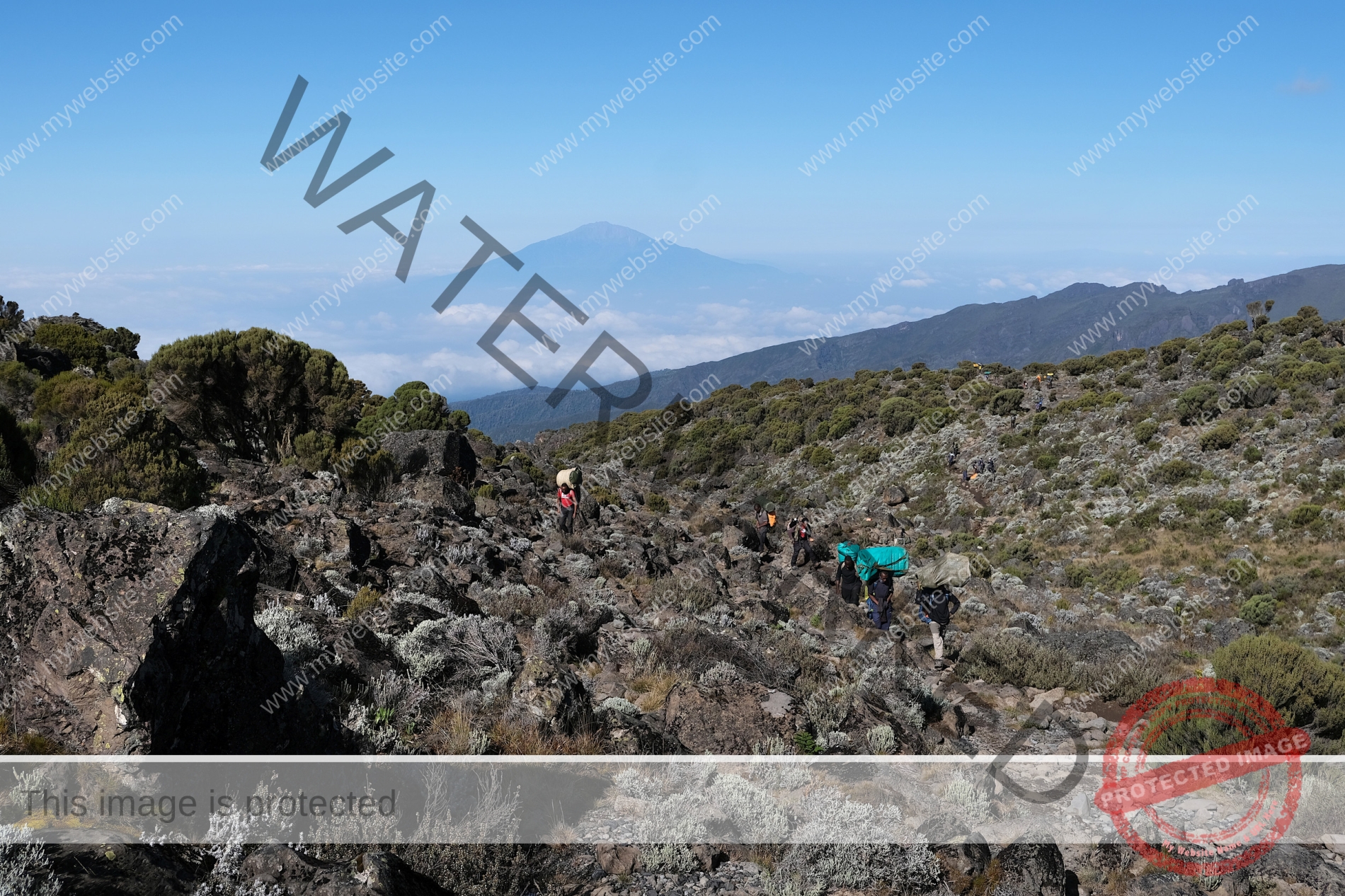
Porters and guides are the backbone of any successful Kilimanjaro climb. They carry essentials, ensuring climbers focus on their journey. Their support is invaluable, making the adventure possible.

Guides are experienced navigators, adept at handling mountain challenges. They prioritize safety, monitoring climbers’ health and adjusting the pace. Their local knowledge adds depth to the experience.

Porters bear the load, managing supplies and gear with remarkable efficiency. Their strength and resilience allow the team to progress smoothly. They handle everything from tents to cooking utensils.

Together, they form an unparalleled support network. Their expertise and effort ensure every expedition is safe and enjoyable, enhancing the Kilimanjaro experience.

Key Roles of the Support Team:

  • Carriers of essential supplies
  • Navigators ensuring safety and guidance
  • Cultural and historical educators

Tanzania Trekking Guide: What Porters Do for Hiking Kilimanjaro?

Porters are the unsung heroes of the Kilimanjaro climb. They transport heavy equipment, food, and personal gear. Their role is crucial for the trek’s success. Porters also set up campsites and assist with meal preparation. Their work allows you to concentrate on ascending the mountain. Their impact is immense, making challenging climbs smoother. Porter Responsibilities: Carry equipment and supplies Set up campsites Assist with meal preparation

Tanzania Travel Guide: The Importance of Guides for Kilimanjaro Climbing?

Guides are your lifeline on Kilimanjaro. They understand the mountain’s terrain and climate. Their role extends beyond navigation to ensuring climbers’ safety. A guide’s expertise in recognizing altitude sickness symptoms is vital. They help climbers acclimate and offer constant encouragement. Their presence builds confidence among climbers. Guide Functions: Offer navigation and safety Monitor climber health Provide encouragement and support

Training for Kilimanjaro Porters: Skills, Fitness, and Safety

Porters undergo rigorous training to handle the mountain’s demands. They develop physical endurance, crucial for carrying heavy loads over long distances. Safety is a top priority, and porters are trained in first aid. They are equipped to manage emergencies swiftly, ensuring climber protection and well-being.

Skills Required for Porters:

  • Physical endurance and stamina
  • First aid and emergency handling
  • Efficient packing and equipment management

Ensuring fair treatment of porters is essential for sustainable expeditions. Fair wages and safe working conditions are fundamental rights they deserve.  Supporting organizations that advocate for porter welfare is vital. Choose tour operators committed to ethical practices, enhancing both porter lives and your climbing experience.

Ethical Practices for Porter Welfare:

    • Fair wages and working conditions
    • Adequate gear and support
    • Reasonable load limits and safety measures
Mount Kilimanjaro Porters Skills

Stay informed 

Tanzania Travel Guide: Choosing the Right Team for Climbing Kilimanjaro

Selecting a professional team is key to a safe and memorable Kilimanjaro climb. A reputable tour operator ensures proper logistics and safety measures.

Experienced guides provide not only navigation but also emotional encouragement. Their expertise is invaluable for spotting challenges early and keeping spirits high.

Key Considerations When Choosing a Team:

  • Experienced and certified guides
  • Ethical treatment of porters
  • Comprehensive safety protocols

Our Recommendation

Tanzania Travel Guide: Summit Night and Kilimanjaro Summit View at Uhuru Peak

Proper gear is crucial for tackling Mount Kilimanjaro’s varied climates. Layered clothing adapts to changing conditions, while sturdy boots ensure safe footing. Adequate nutrition energizes climbers for the arduous journey. A diet rich in carbohydrates and proteins is optimal for sustained energy. Hydration is equally critical, aiding altitude acclimatization and reducing fatigue. Drink at regular intervals to maintain your strength.

Essential Gear:

  • Layered clothing
  • Sturdy boots
  • Quality backpack

Hydration and Nutrition Tips:

  • Regular water intake
  • Carbohydrate-rich meals
  • Light snacks

Summit Night and Reaching Uhuru Peak: The Final Push

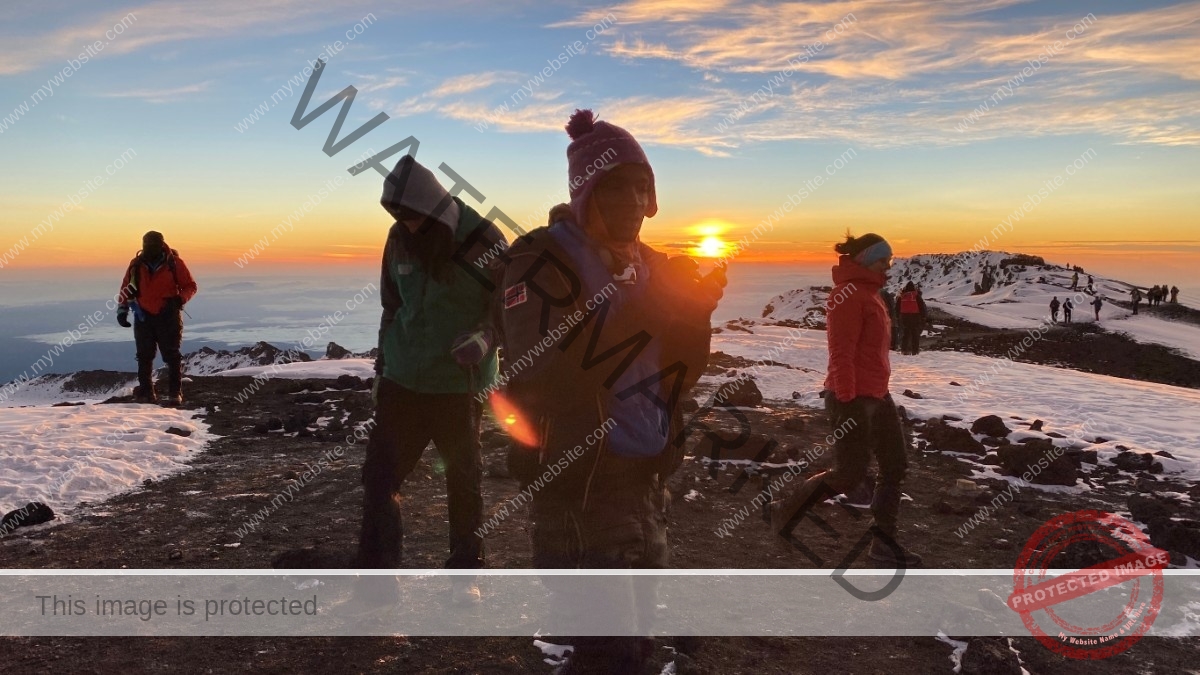
Summit night begins in the early hours. Climbers face the toughest ascent yet, navigating steep, icy terrain to reach Uhuru Peak.

Focus on persistence and maintain a steady pace. The summit rewards perseverance with breathtaking sunrise views.

Tips for Summit Night:

  • Start slow and steady
  • Stay hydrated
  • Rely on your guide’s expertise

Environmental and Cultural Considerations on Kilimanjaro

Climbing Mount Kilimanjaro offers opportunities to observe diverse ecosystems. These range from lush rainforests to arid alpine deserts. Preserving these environments is essential for future trekkers.

Adopt the Leave No Trace principles to minimize your impact. Moreover, respect local cultures by engaging with porters and guides. Cultural exchange enriches the experience.

Key Considerations:

  • Practice Leave No Trace
  • Respect local cultures
  • Engage with the local community

Ensuring environmental and cultural respect protects Kilimanjaro’s unique beauty. It also enhances the climbing experience, offering personal growth and understanding.

Conclusion: The Teamwork Behind Every Successful Kilimanjaro Climb

Reaching Uhuru Peak is a remarkable achievement. This success isn’t just about individual effort. It’s a testament to the teamwork of climbers, porters, and guides.

Every team member contributes uniquely to the ascent. Mutual support and collaboration ensure a safe and fulfilling journey. Remember, each step taken up the mountain reflects collective dedication and unity.

Highlights of Teamwork:

  • Mutual support is essential
  • Unique contributions from each team member
  • Collective dedication leads to success.
Choose Mt. Kilimanjaro Routes.

The Kilimanjaro climb is not just a personal triumph but a shared celebration. Cherish this unity as you stand at the top of Africa.

Arusha National Park: Discover Wildlife Encounters

arusha city tanzania

Tanzania Travel Guide 

Arusha National Park: Exploring the Wonders of Tanzania

Arusha Park is a hidden gem in Tanzania. Nestled near the bustling city of Arusha, it offers a serene escape. This park is a treasure trove of natural wonders. It spans diverse ecosystems, from lush rainforests to open savannahs. Mount Meru, Tanzania’s second-highest peak, stands proudly within its borders. It’s a hiker’s paradise with breathtaking views. Wildlife thrives here. Giraffes, zebras, and buffaloes roam freely, offering unforgettable encounters for visitors. Birdwatchers will be delighted by over 400 bird species. The vibrant Momella Lakes attract flamingos and other waterfowl. Ngurdoto Crater, known as “Little Ngorongoro,” is a must-see. Its unique landscape captivates all who visit.

Walking adventures provide a unique way to explore. Guided safaris on foot offer an intimate connection with nature. Arusha Park is a gateway to Tanzania’s rich culture and wildlife. It’s a destination that promises adventure and tranquility.

Discovering Arusha National Park: An Overview

Arusha National Park is a gem in northern Tanzania. Its location near Arusha city makes it accessible and convenient. Covering 552 square kilometers, it offers diverse landscapes. This park was established in 1960 and stands as a testament to Tanzania’s conservation efforts. It’s part of the northern safari circuit, making it a perfect starting point for adventures. Visitors can enjoy a range of activities, from walking safaris to cultural tours. The park’s varied landscapes provide a unique opportunity to see both forest and savannah wildlife in one place. Its diverse ecosystems support an incredible array of flora and fauna.

  • Mount Meru: A striking volcanic mountain.
  • Momella Lakes: Known for their birdlife.
  • Ngurdoto Crater: Offers dramatic views.

Whether you seek adventure, peace, or photographic opportunities, Arusha National Park delivers on all fronts. Its rich biodiversity ensures an exciting experience for every visitor.

Unique Ecosystems and Landscapes of Arusha Park

Arusha Park boasts a stunning array of ecosystems. From lush rainforests to expansive savannahs, this park captivates visitors with its diversity. The park’s landscape is a true mosaic of natural beauty.

The park includes several distinct ecological zones. Each offers a different experience for nature lovers. Visitors can explore dense forests and open grasslands, each filled with unique flora and fauna.

The diverse habitats within the park are perfect for wildlife and vegetation. Alpine meadows on Mount Meru provide contrasting scenery to the park’s lowland areas. This mix is vital for supporting a wide range of species, showcasing the park’s ecological richness.

  • Rainforest Zones: Shelter many wildlife species.
  • Alpine Meadows: Found on Mount Meru.
  • Savannahs: Home to iconic African wildlife.

These diverse ecosystems are interconnected, supporting the park’s incredible biodiversity. The unique geology of the area, shaped by volcanic activity, further adds to its charm. The landscapes of Arusha Park offer unforgettable vistas and magical experiences.

Wildlife Encounters: Animals and Birds of Arusha National Park

Arusha National Park is a haven for wildlife enthusiasts. The park’s varied landscapes provide habitats for a plethora of creatures. Visitors are often amazed by the richness of life they encounter. The park hosts a remarkable range of animals. You can spot giraffes gracefully wandering the savannah. Zebras and buffaloes are a common sight, adding to the park’s charm. The forests are alive with colobus monkeys, swinging through the trees.

For bird lovers, Arusha Park is paradise on Earth. With over 400 species, the avian diversity is staggering. The Momella Lakes are especially vibrant, attracting colorful flamingos and other waterfowl.

Among the park’s rich wildlife offerings are:

  • Giraffes and Zebras: Iconic African mammals.
  • Colobus and Blue Monkeys: Found in forested areas.
  • Flamingos and Waterfowl: At the Momella Lakes.
  • Buffaloes: Roaming the open plains.

These animals coexist in a mosaic of habitats, showcasing the park’s ecological health. The park provides rare opportunities to observe both forest and savannah species in one location. This diversity makes wildlife encounters here genuinely special.

Arusha National Park is a photographer’s dream. The vibrant wildlife and stunning landscapes ensure unforgettable snapshots. Each visit promises new and exciting wildlife sightings.

The Majestic Mount Meru: Hiking and Climbing Adventures

Mount Meru, towering at 4,566 meters, is a hiker’s paradise. Located within Arusha National Park, it’s the second-highest peak in Tanzania. The mountain offers an exhilarating challenge for thrill-seekers.

Hiking up Mount Meru is an unforgettable experience. The trail winds through diverse ecosystems, each offering unique sights. Lush forests give way to rocky slopes as you ascend. The journey is as rewarding as the view from the summit.

Reaching Mount Meru’s peak unveils panoramic vistas. On clear days, you may even glimpse the majestic Kilimanjaro. The sense of accomplishment paired with breathtaking scenery makes this climb worthwhile.

When planning your trek, consider these highlights:

  • Varied Landscapes: From rainforest to alpine zones.
  • Rich Biodiversity: Unique flora and fauna along the trail.
  • Stunning Summit Views: Kilimanjaro and beyond.

Guided climbs ensure safety while enhancing the adventure. Knowledgeable guides share insights into the mountain’s ecology and history. Whether an experienced climber or a keen beginner, Mount Meru is a must-visit.

The Momella Lakes: Canoeing and Birdwatching Paradise

The Momella Lakes are a haven for birdwatchers and nature enthusiasts. These alkaline lakes attract countless flamingos and vibrant waterfowl. Their vivid colors mirror in the tranquil waters, creating breathtaking scenes. Canoeing on the Momella Lakes provides a unique perspective. As you paddle quietly, enjoy close encounters with diverse bird species. The peaceful environment offers a sense of serenity rarely found elsewhere.

When visiting the lakes, keep an eye out for these highlights:

  • Flamingo Flocks: Large gatherings paint the shores pink.
  • Diverse Birdlife: Over 400 bird species flourish around the lakes.
  • Peaceful Canoeing: Glide through calm waters for a closer wildlife view.

A day spent at the Momella Lakes is truly memorable. Capture photographs that encapsulate the serene beauty of Arusha Park’s natural wonders. Whether seeking adventure or tranquility, these lakes deliver both.

Ngurdoto Crater: The “Little Ngorongoro” Experience

estled within the heart of Arusha Park, Ngurdoto Crater offers a stunning glimpse into nature’s artistry. Often dubbed the “Little Ngorongoro,” its lush caldera provides a sanctuary for diverse wildlife.

The crater’s dense forest is home to baboons, elephants, and elusive leopards. Visitors can explore the rim on guided tours, witnessing this green oasis from every angle.

Key experiences in Ngurdoto Crater include:

  • Rich Wildlife: Spot varied species thriving within the crater’s lush vegetation.
  • Scenic Views: Appreciate sweeping landscapes from vantage points along the crater rim.
  • Guided Tours: Led by knowledgeable guides who reveal the crater’s secrets.

Exploring Ngurdoto Crater immerses you in its tranquil beauty. This serene environment offers a perfect escape, transporting visitors to a world seemingly untouched by time.

Walking Adventures: Guided Safaris on Foot

Exploring Arusha Park on foot is an adventure like no other. Guided walking safaris allow visitors to experience the park’s natural wonders up close. These immersive walks offer a unique perspective, connecting you deeply with the land. Trained guides lead these safaris, ensuring both safety and an educational experience. They share insights into the park’s flora, fauna, and unique ecosystems as you walk through varied landscapes.

Key highlights of walking adventures include:

  • Close Wildlife Encounters: Spot giraffes, zebras, and buffaloes at eye level.
  • Diverse Ecosystems: Traverse savannahs, rainforests, and alpine zones.
  • Educational Insights: Learn about animal behaviors and plant life from experienced guides.

These safaris are an intimate way to observe wildlife, often unseen on traditional tours. The slow pace allows for detailed exploration, uncovering the park’s hidden gems. Walking safaris are suitable for all fitness levels, ensuring a memorable adventure for everyone.

Game Drives and Other Safari Experiences

Game drives in Arusha Park offer thrilling adventures in the African wilderness. These vehicle-based tours provide unparalleled access to the park’s diverse wildlife and landscapes. Expert guides navigate the trails, ensuring visitors a rich safari experience.

During a game drive, you may spot iconic animals like giraffes, zebras, and elusive leopards. The park’s varied ecosystems mean each drive is unique, revealing different creatures and terrains. Morning and evening tours offer the best chance to see animals active in their natural habitats.

Other safari highlights include:

  • Birdwatching: Spot over 400 species.
  • Canoeing Safaris: Drift along the Momella Lakes.
  • Photography Safaris: Capture the park’s stunning beauty.

Game drives are an essential part of the Arusha National Park tour, immersing visitors in the wildlife and scenery. They offer a convenient way to explore the park’s vast and rich environment.

Cultural Encounters: Maasai Villages and Local Communities

Exploring Maasai villages near Arusha Park offers a glimpse into authentic Tanzanian culture. Visitors can witness traditional lifestyles and customs that have stood the test of time. Engaging with these communities enriches your journey with meaningful cultural insights.

These cultural encounters include:

  • Maasai Dance: Experience vibrant, rhythmic performances.
  • Handicraft Markets: Browse unique Maasai beadwork and artifacts.
  • Home Visits: Learn about traditional Maasai family life.

These experiences help us understand the Maasai way of life better. They show their strength and their close bond with nature.

The most affordable price

Planning Your Arusha National Park Tour

Planning a trip to Arusha National Park begins with understanding the best times to visit. The park is accessible all year, but each season offers unique experiences. Dry months are ideal for wildlife viewing, while the rainy season brings lush landscapes.

When organizing your itinerary, consider the range of activities available. From thrilling walking safaris to serene canoeing on Momella Lakes, the park caters to diverse interests. Guided tours provide valuable insights into the park’s rich biodiversity.

Key planning considerations include:

  • Weather: Research seasonal weather patterns before your trip.
  • Itinerary: Include varied activities like hiking, wildlife viewing, and cultural tours.
  • Guides: Book experienced guides for an enhanced experience.

Thoughtful planning ensures a fulfilling adventure, making the most of your time in this natural paradise.

Where to Stay: Lodges, Camps, and Accommodation Options

Finding the right accommodation enhances your Arusha National Park experience. The park offers various options, ensuring comfort and accessibility. Whether you prefer luxury lodges or rustic camps, there’s something to suit every taste.

Consider these accommodation types for your stay:

  • Luxury lodges: Enjoy premium amenities and stunning views.
  • Tented camps: Experience a blend of comfort and adventure.
  • Budget campsites: Ideal for travelers seeking a basic, immersive experience.

Each option provides unique access to the park’s wonders, ensuring you’re well-rested and ready for each day’s adventures.

Practical Tips for Visiting Arusha Park

Preparing for your visit to Arusha Park ensures a smooth and enjoyable experience. Start by planning the timing of your visit, as the park is open year-round.

Consider the following tips for a successful trip:

  • Pack essentials: Bring sunscreen, hats, and binoculars.
  • Dress appropriately: Wear comfortable, weather-appropriate clothing.
  • Stay hydrated: Carry a reusable water bottle.
  • Travel light: Avoid carrying unnecessary items.

These tips help you focus on the breathtaking adventures awaiting at Arusha National Park.

Conservation, Sustainability, and the Future of Arusha Park

Arusha Park is a beacon of conservation in Tanzania. Its commitment to protecting biodiversity is evident in the park’s robust conservation programs. These initiatives ensure that the park remains a haven for wildlife and a source of awe for future generations.

Through sustainable tourism practices, the park minimizes its environmental footprint. It collaborates with local communities, enhancing awareness and engagement. Here are some focus areas of Arusha Park’s conservation efforts:

  • Biodiversity preservation: Protecting various species and ecosystems.
  • Community involvement: Encouraging local participation in park activities.
  • Environmental education: raising awareness about conservation issues.

Conclusion: Why Arusha Park Should Be on Your Travel List

Arusha Park offers a unique blend of natural beauty and wildlife. Its diverse ecosystems and spectacular landscapes captivate every nature lover. The park’s tranquil environment invites exploration and rejuvenation.

A visit to Arusha Park promises unforgettable encounters. Whether you’re trekking Mount Meru or canoeing on Momella Lakes, adventure awaits. The park’s commitment to conservation enhances its allure as a pristine escape.

Exploring the Hidden Gems of Arusha

arusha city tanzania

Tanzania Travel Guide 

Arusha City Tanzania: Discover Hidden Gems Here

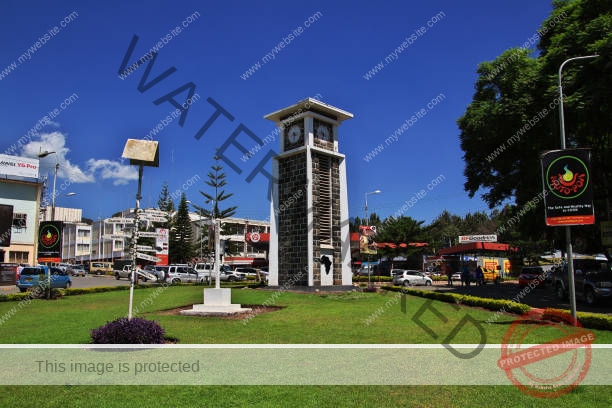
Arusha City Tanzania, is a vibrant hub of culture and adventure. Nestled in the shadow of Mount Meru, it offers a unique blend of urban and natural beauty. Known as the gateway to the northern safari circuit, Arusha is a must-visit for any traveler.

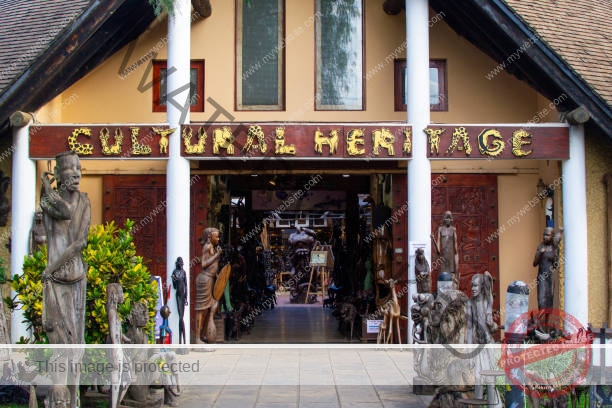
The city’s temperate climate makes it an ideal destination year-round. Visitors can explore its bustling markets, rich history, and diverse culinary scene. From the Maasai Market to the Cultural Heritage Centre, Arusha is full of hidden gems waiting to be discovered.

Public transport in Arusha is both affordable and convenient. Buses, minibuses, and taxis connect travelers to the city’s many attractions. Whether you’re seeking adventure or relaxation, Arusha has something for everyone.

Join us as we explore the hidden gems of Arusha City, Tanzania. Discover why this vibrant city should be on your travel bucket list.

Discovering Arusha City Tanzania: An Overview

Arusha City, Tanzania, is a dynamic mix of cultures and landscapes. Nestled in the northeastern part of the country, it’s a gateway to many of Tanzania’s iconic safari destinations. Vibrant markets and colorful streets offer a warm welcome to visitors.

The city boasts a rich cultural tapestry. Here, traditional Maasai customs blend with modern influences. The environment caters to explorers and culture enthusiasts alike. Arusha’s charm lies in its seamless mix of old and new.

Travelers are enchanted by Arusha’s abundant offerings. Key highlights include:

  • Arusha National Park
  • The Cultural Heritage Centre
  • Maasai Market
  • Arusha National Park
  • The Cultural Heritage Centre
  • Maasai Market

Arusha’s location is strategic for those keen on exploring the Serengeti or climbing Mount Kilimanjaro. Its thriving arts and crafts scene add another layer to its diverse offerings. With plenty to see and do, Arusha City is truly an adventurer’s paradise. Whether you’re drawn to its natural beauty or its cultural richness, Arusha promises an unforgettable experience.

Climate Condition: When to Visit Arusha

Arusha’s climate is pleasantly moderate compared to other regions in Tanzania. Its elevation provides cooler temperatures, offering a refreshing escape from the tropical heat. Visitors enjoy a pleasant atmosphere almost year-round.

The best time to visit is during the dry season. From June to October, the weather is ideal for outdoor activities and safaris. The days are bright, and the skies are clear, making it perfect for wildlife viewing.

During the wet season, from March to May, the landscape transforms. Lush greenery takes over, but heavy rains might disrupt travel plans. Make sure to plan according to your travel preferences.

  • Dry season: June to October
  • Wet season: March to May
  • Average temperatures: 18-25°C

Regardless of the season, Arusha’s beauty remains captivating. Its landscapes consistently deliver remarkable experiences, rain or shine.

Getting Around: Public Transport in Arusha

Navigating Arusha is an adventure itself, with several public transport options available. Whether you’re exploring the bustling city or heading to nearby attractions, getting around is both easy and affordable. Public transport in Arusha provides an authentic glimpse into local life.

Dala-dalas, the local minibuses, are a popular choice among locals and tourists. They operate on fixed routes, covering the city and nearby areas. While they can be crowded, they offer a budget-friendly travel option for adventurous explorers. Besides dala-dalas, visitors can opt for taxis. Taxis provide a more comfortable but slightly expensive mode of transport. Remember to negotiate fares before starting your journey.

Exploring on foot is another excellent way to soak in the vibrant atmosphere of Arusha. Walking allows you to discover hidden gems and interact with locals at your own pace.

Public transport highlights:

  • Dala-dalas for budget travel
  • Taxis for comfort and convenience
  • Walking for immersion in local culture

Whichever mode you choose, Arusha’s transport options ensure you can easily explore the city and its surroundings.

Top Things to Do in Arusha

Arusha is a vibrant city teeming with activities to explore. From breathtaking natural wonders to rich cultural experiences, there’s something for every traveler. Start your journey with a visit to Arusha National Park. This park offers spectacular views of Mount Meru, making it a must-see for nature enthusiasts.

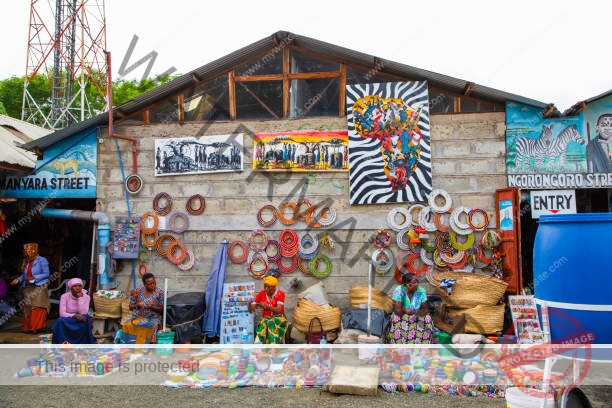
The city’s markets are a sensory delight, bustling with colors, aromas, and unique items. Don’t miss the Maasai Market, where local artisans sell beautiful crafts and souvenirs. This is the perfect spot for finding one-of-a-kind gifts.

For a taste of local life, head to Arusha’s Central Market. Here, you can try fresh produce and immerse yourself in the city’s daily hustle and bustle. Museums are another way to dive into Arusha’s cultural scene. The Cultural Heritage Centre showcases an impressive collection of Tanzanian art and history.

In Arusha, the opportunities for adventure are endless. Embark on a climbing expedition to Mount Kilimanjaro or explore nearby attractions like the Ngorongoro Crater. Whether you’re seeking adrenaline or relaxation, you’ll find it in Arusha.

Highlights include:

  • Arusha National Park and Mount Meru
  • Maasai and Central Market explorations
  • Cultural Heritage Centre’s art collections

No visit to Arusha is complete without experiencing these captivating destinations.

Exploring Arusha National Park and Mount Meru

Arusha National Park is a gem waiting to be explored. With its diverse wildlife and stunning landscapes, it captivates all who visit. The park is home to various animal species, offering excellent wildlife viewing opportunities.

Mount Meru towers over the park, providing a majestic backdrop. Whether you choose to go on a guided hike or simply enjoy the view, Mount Meru promises breathtaking experiences. The trails here cater to all levels, from casual walkers to serious hikers.

Must-see in Arusha National Park:

  • Mount Meru’s hiking trails
  • Diverse wildlife encounters

A visit to this park will leave you in awe of Tanzania’s natural beauty.

Markets, Museums, and Cultural Experiences

Arusha is a city where culture thrives, blending traditional and modern influences seamlessly. The Maasai Market is a bustling hub, where artisans display their intricate craftwork, perfect for picking up unique souvenirs.

Museums add depth to your Arusha visit, offering insights into local art and history. The Cultural Heritage Centre stands out with its extensive collection celebrating Tanzanian heritage. This is a must-visit for art lovers and history buffs alike.

For those seeking cultural immersion, visiting local villages around Arusha offers authentic encounters. Engage with locals, learn about their traditions, and appreciate their vibrant way of life. These experiences will enrich your understanding of Arusha’s diverse cultures.

Must-visit spots for culture buffs:

  • Maasai Market for crafts
  • Cultural Heritage Centre for art
  • Local village visits for cultural insights

Savoring Tanzania Food: Culinary Delights in Arusha

Arusha promises a feast for the senses with its rich culinary scene. Influenced by Indian, Arab, and African flavors, Tanzanian food is as diverse as its people. In Arusha, you’ll find dishes that are both flavorful and satisfying.

Begin your culinary journey with local staples like ugali. This maize-based dish is often paired with savory stews or grilled meats. Another must-try is nyama choma, a delicious roasted meat dish that is a staple at many local eateries.

For a taste of spice, don’t miss pilau, a fragrant rice dish seasoned with a blend of spices. Many restaurants in Arusha also offer these traditional dishes, allowing travelers to indulge in authentic flavors. Be sure to explore street food vendors, where fresh, local options await.

Key Tanzanian dishes in Arusha:

  • Ugali with stew
  • Nyama choma
  • Spicy pilau

Exploring the local cuisine offers a delicious lens into the culture, making your visit to Arusha unforgettable.

Where to Stay: Accommodation Options in Arusha

Arusha caters to diverse travel preferences with a variety of accommodations. From luxurious lodges to budget-friendly hostels, the city offers something for everyone. Travelers can enjoy comfort and convenience regardless of their budget.

For a unique experience, consider staying at Arusha Coffee Lodge. It offers a cozy retreat amid a lush coffee plantation. Alternatively, budget travelers will find a range of friendly hostels in the city center.

  • Arusha Coffee Lodge
  • Budget-friendly hostels
  • Luxury lodges

The options are varied, ensuring comfort and accessibility. No matter where you choose to stay, the warm hospitality of Arusha will make your visit memorable.

Adventure and Day Trips from Arusha

Arusha is a prime hub for adventure seekers and day trippers. Its strategic location allows easy access to breathtaking landscapes and wildlife havens. Experience the thrill of nature just a short drive from the city.

Consider a day trip to the majestic Serengeti National Park or the breathtaking Ngorongoro Crater. These destinations offer spectacular wildlife sightings and unique geological features. For those who enjoy exploring, Tarangire National Park is known for its elephants and scenic beauty

  • Serengeti National Park
  • Ngorongoro Crater
  • Tarangire National Park

The ease of arranging excursions makes Arusha a perfect base for exploring Tanzania’s wonders. With a variety of tours available, adventure lies just a journey away.

The most affordable price

Local Life and Nightlife in Arusha

Arusha offers a lively blend of local culture and vibrant nightlife. The city embodies both traditional and modern influences, making it unique. During the day, discover bustling markets and friendly locals eager to share their stories and customs.

By night, the city transforms into a hub of entertainment. From bars with live music to bustling clubs, there’s something for everyone. Experience the joyful spirit of Arusha after the sun sets.

Highlights of nightlife in Arusha:

  • Live music venues
  • Vibrant bars
  • Energetic clubs

Practical Tips for Travelers

Planning a trip to Arusha City, Tanzania can be straightforward with some preparation. It’s essential to understand local customs to ensure a smooth experience. Consider learning a few Swahili phrases to engage with locals warmly.

Ensure you pack appropriately for Arusha’s temperate climate. Use public transport like dala-dalas for a budget-friendly way to explore. Stay connected with local guides who can offer valuable insights.

Helpful tips for travelers:

  • Pack layered clothing
  • Carry local currency
  • Stay hydrated

With these tips, you’ll enjoy a memorable journey through Arusha.

Conclusion: Why Arusha City, Tanzania Should Be on Your Bucket List

Arusha City offers an impressive mix of culture, nature, and adventure. Its unique blend of urban vibrancy and natural beauty makes it a standout destination. The city’s strategic location and rich cultural tapestry ensure something for every traveler.

From thrilling safaris to engaging cultural experiences, Arusha captivates and enchants. Its welcoming locals, delicious cuisine, and diverse activities promise an unforgettable visit. Whether seeking adventure or relaxation, Arusha City, Tanzania deserves a spot on your travel bucket list.

best route to climb mt kilimanjaro

Tanzania Travel Guide 

Overview of Mount Kilimanjaro and Its Routes

Kilimanjaro routes lead to a beautiful peak in Tanzania. It is not just a climbing spot but also a UNESCO World Heritage site. Known for its unique ecological zones, it gives trekkers an amazing experience from rainforest to arctic summit.

The mountain has several climbing routes. Each route has different scenery, difficulty, and experiences. Over 35,000 climbers try to reach its heights each year. They want to stand on top of Africa’s rooftop. The various routes meet different preferences, whether for scenic beauty, solitude, or challenge.

Here are the main routes:

  • Lemosho Route: Famous for its stunning views and wildlife.
  • Machame Route: Popular for great views and tough paths.
  • Marangu Route: Known for hut stays and green landscapes.
  • Rongai Route: Offers a quiet and less crowded climb.
  • Northern Circuit: The most complete, giving trekkers a full mountain tour.

Other routes include Shira and Umbwe, each with its own features. Choosing the right route is important. It affects success rates and enjoyment of the climb. Each path is special, showing the mountain’s many sides.

Key Factors in Choosing the Best Kilimanjaro Route

Selecting the right route for your Kilimanjaro climb is crucial. It determines your experience, success rate, and overall enjoyment. Factors like acclimatization, difficulty, and scenery can significantly impact your journey.

Acclimatization is a primary consideration. Longer routes generally offer better acclimatization, which can reduce altitude sickness. Shorter routes might tempt climbers due to lower costs and less time needed, but they often come with a higher risk of sickness.

Weather and season play important roles too. Some routes are more affected by rain and mud, especially during the wet season. Others might expose climbers to colder temperatures and wind.

Consider the scenery and terrain. Each route showcases the mountain’s beauty differently. While some offer lush rainforest, others provide stunning alpine desert views. Personal preference for landscape can guide your choice.

Crowd levels vary between routes. Popular routes might be busier, affecting your wilderness experience. Less crowded routes offer solitude and a quieter trek.

  • Budget: Longer routes tend to cost more due to added days.
  • Fitness Level: Match your physical ability to the route’s difficulty.
  • Experience: Some paths are better suited for experienced hikers.

Ultimately, choosing the right route is about personal preferences and goals. Each path offers its own unique challenges and rewards, making every climb a memorable adventure.

Detailed Comparison of Kilimanjaro Trekking Routes

Mount Kilimanjaro offers several trekking routes, each with distinct features. Understanding these differences helps you make an informed choice. Routes vary in length, scenery, and difficulty.

Popularity and success rates also differ among the routes. Longer routes often yield higher success due to better acclimatization. Opting for a less popular path could offer a quieter experience.

Here is a brief overview of the key routes:

  • Lemosho Route: Offers scenic views and excellent acclimatization.
  • Machame Route: Known for diverse landscapes and its challenge.
  • Marangu Route: Provides hut accommodations; it’s the original path.
  • Rongai Route: Offers a unique climb with fewer crowds.
  • Northern Circuit: The most extended route, ideal for acclimatization.
  • Shira Route: Begins at a higher altitude, showcasing beautiful views.
  • Umbwe Route: A steep climb suitable for experienced hikers.


Lemosho Route Kilimanjaro: The Best All-Round Route

The Lemosho Route stands out as a premier choice for Kilimanjaro climbers. Known for its remarkable scenery and high success rate, it offers a well-rounded experience.

Starting on the western side, this path traverses through lush rainforests. Climbing up to the Shira Plateau provides expansive views of the landscape. The gradual incline aids in acclimatization, increasing summit success.

Typically, the trek takes seven to eight days. The extended duration allows more time for acclimatization. This can significantly reduce the risks associated with high altitude.

Wildlife is an added bonus on this route. Trekkers might spot colobus monkeys and occasionally elephants within the rainforest zones.

Despite its length, the route remains manageable for many climbers. First-time climbers often choose Lemosho for its balanced mix of difficulty and rewards.

While it’s less crowded than some routes, it remains popular. Therefore, trekkers should book in advance to secure their spot.

Overall, the Lemosho Route offers exceptional views and a relatively low risk of altitude sickness. It remains a top recommendation for a successful climb.

The Lemosho Route has many advantages, including high success rates. However, it also comes with some drawbacks.

Pros:

  • Excellent acclimatization
  • Scenic landscapes
  • High success rate

Cons:

  • Longer duration, higher cost
  • Requires more days off work

Machame Route: The Most Popular and Scenic

The Machame Route, dubbed the “Whiskey Route,” is famous for its challenge and scenery. It is a favorite among seasoned trekkers and adventure seekers.

The route begins with an ascent through dense rainforest. Climbers then encounter varying terrains and climates. Each transition offers new, stunning views.

A key feature is the Barranco Wall, which presents a notable challenge. This steep rock face requires a bit of scrambling, adding excitement to the adventure.

Unlike the Lemosho, this route typically spans six to seven days. It employs a “climb high, sleep low” strategy, aiding acclimatization. This approach helps increase the chance of summiting successfully.

Due to its popularity, the Machame Route can get busy, especially during peak seasons. Climbers should expect other groups along the trail.

Despite being crowded, the beauty and challenge of Machame remain unmatched. Experienced climbers often prefer it for the thrilling journey it offers.

The route is suitable for those ready to embrace its difficulties for rewarding views. Its diverse landscapes leave a lasting impression on those who take this path.

The Machame Route’s appeal lies in its scenery and adventurous vibe. However, certain aspects might not suit every climber.

Pros:

  • Diverse landscapes
  • Challenging yet rewarding
  • Effective acclimatization

Cons:

  • Crowded paths
  • Requires a good level of fitness

Marangu Route: The Classic “Coca-Cola” Route

The Marangu Route is a classic and the oldest trail up Kilimanjaro. Nicknamed the “Coca-Cola” route, it’s the only path offering hut accommodations.

This route is relatively straightforward, making it appealing to many. Climbers follow the same path up and down, which can simplify logistics.

Marangu is the shortest option, often completed in five to six days. While this makes it budget-friendly, the shorter duration impacts acclimatization.

Hut accommodations provide a different experience compared to tenting. This feature attracts those who prefer more comfort during their trek.

Although less demanding in terms of terrain, rapid ascent increases the chance of altitude sickness. Many climbers underestimate the challenges due to the route’s reputation.

Nonetheless, Marangu offers serene rainforest sections and excellent views of Mawenzi and Kibo peaks. It remains a viable choice for those prioritizing comfort over challenge.

Marangu’s huts and affordability entice many climbers. Yet, it has drawbacks that should be considered.

Pros:

  • Hut accommodations
  • Shorter and cheaper
  • Simple logistics

Cons:

  • Lower success rate
  • Rapid altitude gain

Rongai Route: The Quiet Northern Approach

The Rongai Route provides a peaceful ascent of Kilimanjaro. Approaching from the north, this route offers distinct views and a quieter trek.

Starting near the Kenyan border, the path gently climbs through diverse habitats. This gradual ascent aids in acclimatization, although the route is somewhat shorter.

Unlike other routes, Rongai is relatively dry. This can make trekking more comfortable, especially in wetter months.

Despite its quietude, Rongai features fewer crowds, offering solitude. Ideal for those seeking a unique angle on Kilimanjaro.

Famed for picturesque wilderness areas, trekkers may see wildlife like buffalo in lower zones. These sights enhance the remote hiking experience.

Because it’s less popular, you might find reduced support services along the way. Consider this when planning your trek.

The Rongai Route suits adventurers yearning for solitude and nature. It’s a chance to experience the mountain’s beauty away from the masses.

Pros:

  • Less crowded
  • Gradual ascent
  • Unique perspectives

Cons:

  • Limited support services
  • Fewer landscape variations

Northern Circuit Route: The Longest and Most Comprehensive

The Northern Circuit is the newest Kilimanjaro route, offering an in-depth experience. It circles the mountain, showcasing comprehensive views and varied terrains.

Taking eight to nine days, it’s the longest journey on the mountain. This allows unmatched acclimatization, essential for summiting success.

Starting from the west, trekkers enjoy the diverse ecosystems. These include rainforest paths, moorlands, and alpine deserts.

Due to its length, the Northern Circuit sees fewer climbers. This makes it quieter while providing wide-ranging experiences.

This path is ideal for those with ample time. It’s a chance to thoroughly explore Kilimanjaro’s unique environments.

The Northern Circuit is also perfect for spotting wildlife and capturing panoramic views. It’s a route for those wanting everything the mountain offers.

Pros:

  • Best acclimatization
  • Panoramic mountain views
  • Fewer hikers

Cons:

  • Requires more time
  • Higher cost

Shira Route: The High-Altitude Start

The Shira Route begins on the western side at a high altitude. This offers beautiful Shira Plateau views but involves a fast initial ascent.

The first day bypasses the rainforest, reducing possible wildlife encounters. It’s suitable for experienced climbers familiar with rapid altitudes.

The trek meets the Lemosho Route at Shira Camp. This incorporates the benefits of Lemosho’s scenery and acclimatization potential.

Shira provides a challenging and scenic route but requires pre-climb altitude readiness.

Pros and Cons of the Shira Route

Shira is appealing for its scenic start but requires careful consideration.

Pros:

  • Beautiful plateau views
  • Joins Lemosho’s scenic path

Cons:

  • Fast initial ascent
  • Limited forest trekking

Umbwe Route: The Steepest and Most Challenging

The Umbwe Route is the steepest path up Kilimanjaro. It’s for those seeking a serious climbing challenge and adventure.

Beginning through a dense forest, the terrain quickly becomes rugged. This attracts experienced trekkers up for a demanding hike.

Umbwe requires climbing skill and is completed in a short period. Hence, acclimatization opportunities are limited.

The route isn’t usually crowded, offering peace but with fewer support facilities.


Pros and Cons of the Umbwe Route

Umbwe provides a test of endurance, ideal for the hardcore trekker.

Pros:

  • Short yet strenuous
  • Less frequented path

Cons:

  • Little acclimatization time
  • Demanding terrain

Understanding each route’s characteristics makes it easier to select one that aligns with your adventure goals, fitness level, and personal preferences. Choose wisely for a successful Kilimanjaro climb.

Embark on a memorable journey, where every sighting adds to the thrill of the African wilderness.

The most affordable price

Success Rates, Acclimatization, and Safety on Kilimanjaro Routes

Reaching the summit of Kilimanjaro is a rewarding yet challenging adventure. Success rates vary significantly among the different routes. Longer routes generally offer better acclimatization, increasing the likelihood of a successful summit attempt.

The Lemosho and Northern Circuit routes boast some of the highest success rates. Their extended durations allow trekkers to adjust gradually to the altitude. This can minimize common altitude-related complications, improving your chances of reaching Uhuru Peak.

Acclimatization is vital for safety. Rapid ascents, such as those on the Marangu and Umbwe routes, have lower success rates and higher altitude sickness risks. Understanding altitude sickness symptoms—headache, nausea, dizziness—is crucial.

Safety on the mountain also hinges on selecting a reputable tour operator. Certified guides and a team knowledgeable about the routes ensure a secure climb. Adequate gear, hydration, and rest are fundamental.

Recognizing the factors that affect success and safety can help you prepare properly. Planning, preparation, and patience are essential for those aiming to safely reach the summit.

Our Recommendation

Best Time to Climb Mount Kilimanjaro

Climbing Mount Kilimanjaro requires strategic timing for success and enjoyment. The primary consideration is the weather, as Kilimanjaro experiences two main climbing seasons. The ideal months are January to March and June to October, which are cooler and drier.

January to March offers the best conditions for enjoying clear skies. These months also present fewer crowds, providing a more tranquil adventure. However, these periods can still be chilly, particularly at higher elevations.

June to October attracts the highest number of climbers due to the dry weather. The trails are generally less muddy, and the views remain spectacular. Be prepared, though, for more crowded trekking conditions during this time.

Consideration of climate and preferences is crucial when planning your climb. Not only can it affect your trek’s success, but it also greatly impacts your overall experience.

  • January to March: Clear skies and cooler weather
  • June to October: Dry conditions with more crowds

Our Recommendation

Essential Tips for a Successful Kilimanjaro Climb

Climbing Kilimanjaro demands thorough preparation and commitment. Start with rigorous physical training months before your ascent to build strength and endurance. Cardiovascular exercises and hiking with weighted backpacks can be particularly helpful.

Mental preparedness is equally important as physical readiness. Cultivate a positive mindset and learn stress-reducing techniques. Keeping morale high is crucial during challenging phases of the climb.

Selecting quality gear is vital for a comfortable and safe trek. Investing in waterproof clothing, sturdy boots, and a warm sleeping bag pays off. It’s essential to pack layers to cope with Kilimanjaro’s diverse climate.

Finally, choose a reputable tour operator for your climb. Experienced guides offer invaluable support and enhance your chances of success. Their local knowledge and guidance ensure a smoother experience.

  • Train physically with cardio and hiking
  • Prepare mentally for challenges ahead
  • Invest in quality trekking gear
  • Select a reliable tour operator

Frequently Asked Questions About Kilimanjaro Routes

Choosing the right route for Kilimanjaro can be overwhelming. Prospective climbers often have many questions. Here we address some common concerns to aid your decision-making process.

How long does it take to climb Kilimanjaro? The duration varies between 5 to 9 days. Longer routes usually improve acclimatization and increase summit success rates.

Which route has the highest success rate? The Lemosho and Northern Circuit routes boast the highest success rates. Their gradual ascents aid climbers in adjusting to altitude.

Can beginners climb Kilimanjaro? Yes, beginners can climb Kilimanjaro with preparation. Selecting a longer route and training physically are key steps toward a successful ascent.

How crowded are the routes? Popular routes like Marangu and Machame can be crowded. For a quieter experience, consider the Rongai or Northern Circuit routes.

  • Climb duration: 5-9 days
  • Highest success: Lemosho and Northern Circuit
  • Beginners can climb with preparation
  • Rongai and Northern Circuit are less crowded

Conclusion: Choosing the Best Route for Your Kilimanjaro Adventure

Selecting the best route for your Kilimanjaro climb requires careful thought. Each route offers unique experiences and challenges. Understanding these can make your trek safer and more enjoyable.

Consider factors like your experience level, time available, and personal preferences. Routes like Lemosho and Northern Circuit offer beautiful scenery and high success rates. If you prefer less hustle and bustle, Rongai is a peaceful alternative.

When choosing a route, weigh the following:

  • Experience level
  • Acclimatization opportunities
  • Scenic and tranquility preferences
  • Duration and difficulty

A successful Kilimanjaro adventure awaits. With the right planning and route choice, reaching Uhuru Peak will be an unforgettable achievement.

Top 10 Must-Do Activities in Zanzibar

what to do in zanzibar tanzania

Tanzania Travel Guide 

what to do in zanzibar tanzania?

What to do in Zanzibar Tanzania? Zanzibar is a dream destination for many travelers. This stunning archipelago lies off the coast of Tanzania in East Africa. Known for its pristine beaches and rich cultural heritage, Zanzibar offers a unique blend of experiences.

The island is a paradise for honeymooners. Its romantic settings and luxury resorts make it a top choice for couples. December in Zanzibar is particularly appealing, with its warm weather and festive atmosphere.

Why Choose Zanzibar for Your Safari Adventure?

Visitors often wonder what to do in Zanzibar, Tanzania. The island is brimming with activities and attractions. From exploring historic Stone Town to relaxing on white sandy beaches, there’s something for everyone. Top 10 things to do in Zanzibar.

Zanzibar’s spice tours are a must-do. They offer a glimpse into the island’s role in the spice trade. The fragrant plantations are a feast for the senses.

For adventure seekers, snorkeling and diving at Mnemba Atoll are unforgettable. The vibrant marine life and coral reefs are breathtaking. It’s a diver’s paradise.

Cultural enthusiasts will love the island’s diverse influences. African, Arab, Indian, and European cultures blend seamlessly here. This diversity is reflected in the island’s architecture, cuisine, and traditions.

Zanzibar’s map highlights key attractions and helps plan travel routes. Whether you’re visiting for a short stay or an extended holiday, the island promises an unforgettable experience.

In this guide, we’ll explore the top 10 must-do activities in Zanzibar. Get ready to discover the magic of this island paradise.

  • Its cultural heritage and diverse influences
  • The stunning beaches and marine life
  • Historical sites like Stone Town

Understanding where Zanzibar is and what it offers makes for better planning. The island’s allure is timeless, and it continues to captivate travelers from all over the globe. Zanzibar is not just a destination; it’s an unforgettable experience.

When to Visit Zanzibar: Seasons, Weather, and Special Events

Planning the perfect getaway to Zanzibar involves knowing the ideal time to visit. The island enjoys a tropical climate, offering warm temperatures throughout the year. However, different seasons bring unique experiences to the island

The best time to visit Zanzibar is during the dry seasons. From June to October, the weather is perfect for beach activities and exploration. The skies are clear, and rainfall is minimal, making it an excellent time for outdoor adventures.

If you visit in December, you’ll find another delightful season. This period combines festive energy with ideal weather conditions. It is a fantastic time for those looking to escape wintery climates elsewhere.

The rainy seasons occur from March to May and again in November. While the island is still lush and beautiful, heavy rains may affect some activities. Travelers should be prepared for sudden showers if visiting during these months.

Zanzibar also hosts several special events and festivals that draw global attention. The Zanzibar International Film Festival, usually held in July, is a cultural highlight. It showcases films and arts from across the region and beyond.

Other events include vibrant local celebrations that offer insight into the island’s traditions. Planning your trip around these can add an enriching layer to your experience. It’s a wonderful way to connect with the local culture.

  • Dry seasons: June to October and December
  • Rainy seasons: March to May and November
  • Notable events: Zanzibar International Film Festival in July

Timing your visit to align with favorable weather and special events can enhance your travel experience. Regardless of when you go, Zanzibar’s charm will surely captivate you

Getting to Zanzibar: Flights, Ferries, and Local Transport

Reaching Zanzibar is an adventure itself, with multiple travel options available for visitors. Most travelers arrive via flights into Abeid Amani Karume International Airport, just outside of Stone Town. Several airlines offer flights to Zanzibar from major global cities.

If you’re already in Tanzania, consider a ferry ride from Dar es Salaam to Zanzibar. Ferries provide a scenic experience over the Indian Ocean and are a popular choice. They offer several daily departures, making travel flexible and convenient.

Exploring the island is easy once you arrive. Zanzibar’s local transport includes taxis, buses, and scooters for hire. Taxis are widely available and offer fixed rates, ensuring reliable transport for tourists. Scooter rentals are ideal for adventurous souls keen on exploring at their own pace.

Public buses, locally known as dala-dalas, are a more budget-friendly option. They provide an authentic experience, though they can be crowded. These buses connect various parts of the island and are perfect for the adventurous traveler.

When planning your transport options, consider:

  • International flights to Zanzibar’s main airport
  • Ferries from Dar es Salaam
  • Local transport: taxis, scooters, buses

Getting around is straightforward, with plenty of options catering to different budgets and comfort levels. No matter how you choose to travel, Zanzibar’s scenic beauty ensures your journey will be memorable.

Zanzibar Map: Key Regions and Must-See Destinations

Exploring Zanzibar is like unwrapping a treasure map filled with exciting destinations. Each corner of the island offers unique experiences and stunning sights. For those unfamiliar, a Zanzibar map can be your ultimate guide.

Stone Town is often the starting point for most travelers. This historic gem brims with winding alleys, rich culture, and historical landmarks. Here, visitors can wander through history while enjoying modern amenities.

Moving north, you’ll encounter beautiful beaches like Nungwi and Kendwa. These beaches are perfect for swimming, lounging, and basking under the sun. Their white sands and vibrant nightlife attract beach lovers from all over.

In the island’s east, you’ll find Paje and Jambiani—ideal for water sports enthusiasts. Known for their laid-back atmosphere, these areas are perfect for kitesurfing and more adventurous activities.

Make sure your itinerary covers:

  • Stone Town for its culture and history
  • Nungwi and Kendwa for pristine beaches
  • Paje and Jambiani for thrilling water sports

Using a Zanzibar map ensures you won’t miss any must-see destinations. With every region offering something special, your adventure in Zanzibar promises both leisure and excitement. Enjoy every moment navigating this island paradise.

Explore the Historic Stone Town

Stone Town, a UNESCO World Heritage site, captivates with its winding streets and intricate architecture. As you wander, each corner reveals tales of a rich past. This town is a living museum where history whispers through its streets.

The fusion of Arab, Persian, Indian, and European influences is evident in its buildings. With coral stone structures, the town presents a unique architectural charm. You’ll find doors with brass studs—distinctive features of Swahili culture.

Begin your exploration at the House of Wonders, a symbol of Zanzibar’s architectural advancement. This former Sultan’s palace stands as one of East Africa’s largest and tallest buildings. Its exhibits narrate Zanzibar’s fascinating history.

The Old Fort is another iconic landmark. Built in the 17th century, it has served as a defense against the Portuguese. Today, it hosts cultural events, adding vibrancy to Zanzibar’s social calendar.

Don’t forget to visit the Darajani Market, the bustling heart of Stone Town. Here, the air fills with the aroma of spices and fresh produce. It’s the perfect place to engage with local life and traditions.

Popular sites to visit include:

  • The House of Wonders for its grandeur
  • The Old Fort for its historical significance
  • Darajani Market for a taste of local culture

Stone Town’s blend of cultures also reflects in its street food. Indulge in dishes like Zanzibari pizza and urojo soup. Every bite tells a story, offering a flavorful journey into Zanzibar’s culinary diversity.

In Stone Town, every alley, every stone has a story. As you explore, the vibrant culture, history, and enchanting architecture make each moment unforgettable. This historic heart of Zanzibar is a must-experience for any traveler.

Relax on Zanzibar’s Best Beaches: Nungwi, Kendwa, and More

Zanzibar’s beaches are world-renowned, offering pristine sands and azure waters. Nungwi, located at the northern tip, is a favorite among sun seekers. Here, the sun casts a golden glow on the soft white sand.

Kendwa, just south of Nungwi, promises tranquility and adventure. Known for its vibrant nightlife, it hosts full moon parties on its expansive beaches. Whether you seek relaxation or excitement, Kendwa caters to both.

Pongwe Beach, tucked away on the east coast, offers a more secluded experience. This hidden gem is ideal for those seeking peace and solitude. Its turquoise waters are perfect for swimming or simply soaking in the sun.

Jambiani, another east coast beauty, provides insight into local life. The beaches here are lined with coconut palms and small fishing boats. It’s a picturesque setting, offering a glimpse into the traditional lifestyle of Zanzibar’s coastal communities.

Highlights of beach experiences include:

  • Nungwi for its lively atmosphere and stunning sunsets
  • Kendwa for vibrant parties and serene afternoons
  • Pongwe for solitude and peaceful relaxation
  • Jambiani for a touch of local culture

Paje Beach is a haven for water sports enthusiasts. Known for its shallow lagoon and steady winds, it’s perfect for kitesurfing. The beach buzzes with energy, and local surf schools offer lessons for all levels.

Each beach has its own unique charm, offering activities like snorkeling, beach volleyball, or simply unwinding with a good book. Visiting these beaches isn’t just about the sun and sea; it’s also about the community and the vibrant local culture.

In Zanzibar, the beaches are more than just a place to swim; they are an invitation to connect with nature, experience adventure, and immerse yourself in the local way of life. Each coastline presents a different facet of this island paradise, promising unforgettable memories for every traveler.

Visit Prison Island: Giant Tortoises and History

Prison Island, also known as Changuu Island, is a short boat ride from Stone Town. This small yet intriguing island holds a rich history and unique attractions. Originally intended as a prison, it instead became a quarantine station in the 19th century.

Today, the island is best known for its giant Aldabra tortoises. These gentle giants can weigh over 200 kilograms and live for more than 150 years. Visitors often find themselves amazed by their size and longevity.

The tortoises are a gift from the Seychelles, and today, they roam the island freely. Visitors are encouraged to engage gently, feeding them lettuce or simply observing their slow, majestic pace.

Aside from the tortoises, the island offers glimpses into its past. The remnants of the prison and quarantine buildings provide a haunting reminder of its intended purpose. This rich history contrasts with the natural beauty surrounding it.

Notable activities on Prison Island include:

  • Observing and feeding the giant tortoises
  • Exploring historical ruins of the quarantine and prison sites
  • Swimming and snorkeling in the clear waters surrounding the island

The island’s beach and reefs are also perfect for snorkeling. The underwater world here is vibrant and teeming with marine life, providing an ideal spot for a refreshing swim.

A day trip to Prison Island combines history, wildlife, and scenic beauty. It’s a must-see destination for those interested in Zanzibar’s diverse attractions.

Our Recommendation

Snorkeling and Diving at Mnemba Atoll

Mnemba Atoll is a diver’s paradise. Located off the northeast coast of Zanzibar, this protected marine reserve is a jewel in the Indian Ocean. The crystal-clear waters and abundant marine life make it a top spot for underwater exploration.

The atoll is renowned for its vibrant coral reefs. These colorful underwater gardens host a variety of fish species, including butterflyfish, parrotfish, and moray eels. For snorkelers, the shallow, warm waters provide a tranquil and beautiful environment.

Diving enthusiasts can explore deeper waters where reef sharks and green turtles are frequent visitors. Mnemba Atoll is one of the few places where you can encounter dolphins, often seen playfully swimming alongside boats.

The atoll’s rich biodiversity makes it an unmissable experience for anyone visiting Zanzibar. The gentle currents and excellent visibility cater to both beginners and seasoned divers. Local dive operators offer guided tours to ensure safety and optimal exploration.

While most come for snorkeling and diving, Mnemba’s sandy beaches and clear waters also invite relaxation. Kayaking and paddleboarding are popular activities among visitors seeking a serene day by the ocean.

A trip to Mnemba Atoll offers:

  • Snorkeling among vibrant coral reefs
  • Scuba diving with dolphins, turtles, and reef sharks
  • Relaxing on pristine beaches with stunning ocean views

The allure of Mnemba Atoll lies in its tranquil environment and rich marine life. Whether you snorkel, dive, or simply relax, the atoll promises an unforgettable experience amid the wonders of the sea.

The most affordable price

Zanzibar Honeymoon: Why It’s a Top Romantic Destination

Zanzibar is renowned for its romantic ambiance and stunning landscapes, making it a dream honeymoon spot. Couples can indulge in the island’s luxurious resorts and private beaches. The soothing sound of waves enhances the romance in the air.

From sunset cruises to intimate dinners on the beach, Zanzibar offers myriad romantic experiences. The natural beauty and serene atmosphere create an idyllic backdrop for new beginnings. Enjoy candlelight dinners with a view of the sparkling Indian Ocean.

Exploring the island hand-in-hand with your partner is a unique adventure. Stroll through the alleys of Stone Town or relax on the pristine sands of Nungwi Beach. Every moment here is a chance to connect and create cherished memories.

For those looking to add a touch of adventure, Zanzibar provides exciting options. Couples can swim with dolphins, take spice tours, or dive into the crystal-clear waters together. Sharing these adventures strengthens bonds.

Not to miss, the island’s wellness offerings provide perfect relaxation. Enjoy couples’ massages at spas set amidst lush gardens. Experience rejuvenation in Zanzibar’s peaceful environment. The mix of romance, adventure, and relaxation makes Zanzibar an unparalleled honeymoon destination.

Experience the Jozani Forest and Red Colobus Monkeys

Sunset Dhow: on the Indian Ocean

Jozani Forest is a must-visit for nature enthusiasts. This lush sanctuary is the largest area of mature forest on Zanzibar. It’s a biodiversity hotspot, rich with exotic plant and animal life.

The rare red colobus monkeys are the stars of Jozani. These primates are unique to Zanzibar and are known for their striking appearance. Watching their playful antics in the treetops is a delightful experience.

Guided forest walks offer a deeper understanding of the ecosystem. Expert guides share insights on flora and fauna, ensuring you don’t miss the forest’s hidden treasures. It’s a journey filled with sights and sounds of nature.

Besides monkeys, Jozani is home to a variety of bird species. Bird watchers will appreciate the songs and flashes of color from the canopy. Keep an eye out for the elusive Sykes monkeys and bush babies as well.

The forest floor is a tapestry of mangroves, colorful butterflies, and medicinal plants. It’s an educational experience, providing a glimpse into the island’s ecology. Conservation efforts here aim to protect this delicate environment.

Highlights of a visit to Jozani Forest:

  • Observing red colobus monkeys in their natural habitat
  • Guided walks through diverse plant species and mangroves
  • Bird watching for a variety of colorful species

Jozani Forest promises a serene escape into nature’s embrace. Whether observing wildlife or learning about plants, the experience enriches any visit to Zanzibar.

A sunset dhow cruise offers a magical way to end your day in Zanzibar. This traditional wooden sailing boat sets the stage for romance. With the sun dipping below the horizon, the views are breathtaking.

The gentle sway of the dhow adds to the experience. As you sail along the coastline, you’ll witness the ocean’s colors transform. The warm hues reflect upon the water, creating a stunning spectacle.

This cruise is perfect for couples seeking a memorable evening. The serene setting fosters a sense of tranquility. It’s a chance to relax and enjoy each other’s company amidst natural beauty.

Throughout the cruise, enjoy refreshing drinks and local snacks. The crew often shares stories about the island and its maritime traditions. These anecdotes enhance the charm of your journey.

Reasons to choose a sunset dhow cruise:

  • Captivating views of the sunset over the Indian Ocean
  • Intimate and romantic atmosphere for couples
  • Insight into Zanzibar’s maritime heritage

Overall, a sunset dhow cruise is an unforgettable experience. It combines natural beauty with cultural immersion, making it a highlight of any Zanzibar visit.

Forodhani Gardens Night Market: Zanzibar’s Culinary Delights

Adventure Activities: Kitesurfing, Paddleboarding, and More

Forodhani Gardens Night Market is a vibrant display of Zanzibar’s culinary scene. As the sun sets, the gardens transform into a bustling hub of activity. Aromas of sizzling seafood and grilled meats fill the air, tempting your senses.

The market is a food lover’s paradise. It’s a chance to taste the rich flavors of Zanzibari cuisine. Vendors offer an array of dishes from spicy samosas to fresh seafood skewers.

Friendly vendors greet visitors with warm smiles. They are eager to share their culinary traditions. Sampling different foods is both a delicious experience and a cultural one.

Vegetarians will find plenty of options too. Tropical fruits, freshly made falafel, and aromatic vegetables are available. There’s something to satisfy every taste.

Some highlights at Forodhani Gardens Night Market include:

  • Zanzibar pizza: a unique, savory street snack
  • Urojo soup: a local tangy broth filled with goodies
  • Sugarcane juice: a sweet and refreshing drink

Exploring the night market is a feast for the senses. Each dish tells a story of Zanzibar’s diverse cultural influences. Whether it’s your first visit or your tenth, the Forodhani Gardens never lose their charm.

Zanzibar is a haven for thrill-seekers and adventure lovers. Its turquoise waters and reliable winds create the perfect playground. From kitesurfing to paddleboarding, the island offers activities that cater to all levels of experience.

Kitesurfing is a thrilling experience in Zanzibar. The eastern beaches, such as Paje, are especially popular. With consistent trade winds, they offer an ideal environment for both beginners and pros.

Paddleboarding is another favorite among visitors. It allows you to glide across calm lagoons. It’s a peaceful way to explore the coastline and enjoy the stunning views.

For those seeking more excitement, Zanzibar has plenty to offer:

  • Jet skiing along the coast
  • Deep-sea fishing expeditions
  • Windsurfing on windy days

Whether you’re trying a new sport or refining your skills, Zanzibar provides endless possibilities. These water sports not only offer excitement but also a chance to connect with nature. The vibrant marine life and crystal-clear waters create an unforgettable backdrop.

Adventure activities in Zanzibar cater to everyone. They provide a unique way to explore the island’s beauty and thrills. Whether you’re an adrenaline junkie or a family on vacation, there’s an adventure waiting for you.

Cultural Encounters: Local Villages, Art, and Festivals

Take a Spice Tour: Discover the Island’s Fragrant Heritage

Zanzibar’s vibrant culture is a blend of African, Arab, Indian, and European influences. Exploring this cultural diversity is an essential part of any trip. Dive deeper into the island’s heart by visiting local villages and participating in community activities.

Art is a vital element of Zanzibar’s cultural identity. Visit galleries to witness traditional crafts like weaving and wood carving. Local artists showcase paintings that capture the island’s spirit.

Festivals offer a great way to experience Zanzibar’s liveliness. The Zanzibar International Film Festival is a major attraction. It celebrates both local and international talent. These events provide visitors with a rich cultural experience.

For a more authentic encounter, consider a cultural tour. These tours often include:

  • Traditional Swahili cooking classes
  • Drum and dance workshops
  • Visits to local schools and community projects

Engaging in local customs and traditions enriches your travel experience. It allows you to appreciate the island’s rich heritage more fully. By connecting with the people and their stories, you’ll see a side of Zanzibar that goes beyond beaches. This journey into culture will leave you with deeper insights and unforgettable memories.

Zanzibar is famously known as the “Spice Island” due to its rich history in the spice trade. Visiting one of the island’s many spice farms is a sensory experience. These tours offer a deep dive into Zanzibar’s aromatic world.

You will walk through lush plantations where the air is filled with the scents of clove, nutmeg, cinnamon, and vanilla. Guides often provide fascinating insights into how these spices are cultivated and harvested.

On a spice tour, you’ll not only learn about the spices but also their uses in cooking and medicine. For centuries, spices from Zanzibar have traveled the world, enhancing culinary and medicinal traditions.

Tasting and experiencing spices firsthand is the highlight of these tours. You’ll be invited to smell and taste spices directly from the source. It’s an interactive journey where your senses will truly come alive.

Key highlights of spice tours include:

  • Experiencing the fragrant fields of clove, nutmeg, and vanilla
  • Learning about the historical significance of the spice trade
  • Tasting fresh spices in their natural setting

Spice tours are not just educational but also incredibly engaging. They allow you to understand the island’s history and culture on a deeper level. It’s a captivating exploration of Zanzibar’s fragrant heritage, revealing secrets of the spices that have shaped the island’s identity.

December in Zanzibar: What to Expect and Seasonal Highlights

Practical Travel Tips for Zanzibar Visitors

December in Zanzibar is a delightful time of year. The island experiences dry and warm weather, perfect for outdoor activities. Blue skies and gentle breezes add to the island’s charm.

Visitors can enjoy various festive events in December. The island comes alive with celebrations, music, and cultural performances. It’s a vibrant time that adds excitement to any trip.

During this season, the beaches are particularly inviting. The clear waters are ideal for snorkeling and diving. Enjoy the vibrant marine life that Zanzibar is known for.

Key activities in December include:

  • Beachside festivities
  • Snorkeling and diving
  • Attending local cultural events
  • Sunset dhow cruises

The island’s festive ambiance is perfect for those seeking both relaxation and cultural experiences. December in Zanzibar offers a unique blend of pleasant weather and rich cultural highlights, making it an attractive destination for end-of-year travel.

Traveling to Zanzibar can be an exciting adventure. However, some essential tips can enhance your experience. Familiarize yourself with local customs and etiquette to ensure a respectful trip.

Zanzibar’s climate is warm, so pack light and breathable clothing. Modest attire is appreciated when visiting villages and religious sites. This shows respect for the local culture.

When it comes to currency, the Tanzanian Shilling is widely used, but US dollars are also accepted. It’s wise to have both. Carry small denominations for ease of transactions in local markets.

Key travel tips include:

  • Dress modestly in local areas
  • Carry both local and US currency
  • Use mosquito repellent for safety
  • Respect the local customs and traditions

Don’t forget to bring mosquito repellent, as it is crucial for protection against bites. Adhering to these simple tips will ensure a more comfortable and enjoyable visit to the beautiful island of

Conclusion: Planning Your Perfect Zanzibar Adventure

Zanzibar offers a rich blend of activities, history, and culture. It’s a paradise for every traveler. From stunning beaches to historic sites, the island is a treasure trove of experiences.

Planning your trip involves balancing exploration and relaxation. Adapt your itinerary based on your interests. It’s helpful to have a flexible plan.

Here’s a quick rundown of what to include:

  • Explore Stone Town’s historic charm
  • Relax on the pristine beaches
  • Dive into vibrant marine life
  • Experience local culture and festivals

Embrace the island’s diverse offerings and cherish each moment. With thoughtful planning, your Zanzibar adventure will be unforgettable. Enjoy everything this unique destination has to offer.

Understanding Kilimanjaro Hike Costs and Packages

Tranzania Travel Guide 

Understanding Kilimanjaro Hike price and Packages

Kilimanjaro hike price for adventure seekers. But understanding the costs involved can be daunting.

The price of a Kilimanjaro trek varies widely. It depends on several factors, including the route, duration, and service level.

Hiking Mount Kilimanjaro is not just about reaching the summit. It’s about experiencing the diverse landscapes and cultures along the way.

The cost of Kilimanjaro can range from $1,500 to $5,000. This range covers different routes and packages.

Choosing the right package is crucial. It affects not only your budget but also your overall experience.

Factors like park fees, guide wages, and equipment rental play a significant role in the total cost.

Understanding these elements helps in planning and budgeting effectively.

This guide will explore the various costs and packages available for your Kilimanjaro adventure.

Kilimanjaro Hike Price Overview: What to Expect

Hiking Mount Kilimanjaro is a once-in-a-lifetime adventure. Understanding the related expenses is key for effective planning.

Kilimanjaro hike price Depending on your preferences and choices, it can range from $1,500 to $5,000.

The variation in cost is attributed to several elements. These include your chosen route, the duration of the hike, and the service quality.

Most hikes last between 5 to 9 days. The duration impacts not only the price but also the success rate of reaching the summit.

Different routes come with unique prices. The popular routes include Machame, Marangu, Lemosho, and Rongai.

Here’s what typically makes up the total hike cost:

  • Park fees
  • Guide and porter wages
  • Accommodation and meals
  • Equipment rental

Selecting between budget, mid-range, and luxury packages can greatly affect the cost. It’s important to weigh the level of comfort and service against your budget.

Each package offers a different experience, so choose wisely. Knowing what to expect financially ensures a more enjoyable climb to the peak of Africa.

Main Factors Affecting Kilimanjaro Trek Cost

Several factors influence the cost of climbing Kilimanjaro. Park fees, staff wages, accommodation, and transport are key cost drivers.

Park fees form a significant part of the expense. These include permits for entering Kilimanjaro National Park.

Guide and porter wages are essential for the trek. These professionals ensure safety and support during the climb.

Accommodation and meals are also vital components. They provide comfort and sustenance throughout your adventure.

Renting equipment and gear might be necessary. Many international travelers prefer renting rather than transporting items.

Transport and logistics are another cost aspect. Reaching the mountain involves transfers from airports or cities.

Additional costs may arise, such as tips or unexpected expenses. Proper budgeting helps manage these financial demands.

Understanding these factors provides insight into the overall trek cost. Taking these into account enables better financial planning and preparation.

Transport and Logistics

Reaching Mount Kilimanjaro requires careful planning. Transport and logistics are fundamental components of the trip.

Most trekkers fly into Tanzania from abroad. From there, local transport takes them to Kilimanjaro’s base.

Transfers from Kilimanjaro International Airport are common. Other travelers may come from Arusha or Moshi.

Transport costs depend on factors such as:

  • Distance from the start point
  • Type of vehicle
  • Travel time

Many operators include these logistics in their packages. This arrangement simplifies travel for hikers unfamiliar with the area.

Understanding transport logistics helps with planning a stress-free adventure. Pre-arranging these aspects ensures a seamless start to the trek.

Guide, Porter, and Staff Wages

The crew supporting your trek on Kilimanjaro is indispensable. Guides, porters, and staff enhance the overall hiking experience.

Guides lead the way, ensuring safety and direction. Their expertise and knowledge of the terrain are invaluable.

Porters carry gear and supplies, lightening the load. Their efforts make the challenging terrain more manageable.

Staff members contribute to meal preparation and campsite management. These roles ensure comfort and nourishment on the trail.

A fair wage for the crew reflects responsible and ethical tourism. This supports local communities and promotes better service.

Operators include staff wages in the total trek cost. Understanding this helps in selecting reputable operators who prioritize fair wages.

By appreciating the crew’s hard work, trekkers enjoy a safer and more enjoyable adventure on Kilimanjaro.

Accommodation and Meals

Accommodation and meals play crucial roles in the trek. They provide much-needed rest and fuel for the climb.

Mountain treks offer a range of lodging options. These may include tents or huts, varying by route.

Meals consist of nutritious and energy-dense foods. Professional cooks often ensure fresh and satisfying meals.

Several factors influence these costs. Considerations include:

  • Type of accommodation
  • Quality of meals
  • Length of stay

Choosing a package affects accommodation and meal quality. Budget packages might offer basic meals and shelter.

For more comfortable options, mid-range and luxury packages enhance dining and lodging experiences.

Well-fed and well-rested hikers have higher success rates. Prioritizing quality meals and safe accommodations is worthwhile.

Equipment and Gear Rental

Gear is essential when hiking Kilimanjaro. Not every traveler can bring all the necessary equipment.

Many choose to rent gear for convenience and cost-effectiveness. Renting locally can also support the economy.

Items like sleeping bags, trekking poles, and jackets are popular rentals. These are more practical to rent than to buy and transport.

The list of rental essentials includes:

  • Sleeping bags
  • Trekking poles
  • Waterproof clothing

Some operators provide gear within their packages. This can be a beneficial option for international travelers.

Renting gear simplifies packing and reduces luggage weight. Proper equipment rental ensures a safer, more comfortable trek.

Kilimanjaro Hike Price: Park Fees and Permits

Kilimanjaro hike price when hiking Kilimanjaro. These fees contribute to maintaining the mountain’s integrity.

For a seven-day trek, park fees can reach around $800 per person. They cover entry and camping within Kilimanjaro National Park.

These fees include several components. This list comprises:

  • Conservation fees
  • Camping fees
  • Rescue fees

Conservation fees are crucial for preserving the natural beauty. They support environmental protection and research.

Camping fees permit overnight stays within the park. This component is necessary for multi-day hikes.

Kilimanjaro Routes and Their Cost Differences

Choosing a route on Kilimanjaro affects both experience and cost. Different paths offer unique perspectives and challenges.

Each route presents its own level of difficulty. The complexity of the trail influences overall expenses.

Popular routes like Machame and Marangu draw many hikers. They’re known for diverse views and different amenities.

Less frequented paths like Lemosho or Rongai offer solitude. These routes may bring higher costs due to logistics.

The choice of route impacts duration. Longer treks typically have higher associated costs.

This includes fees for additional days on the mountain and porters’ services. It’s important to balance cost with experience.

Key route considerations include:

  • Duration of trek
  • Difficulty level
  • Scenic variety

Understanding each path helps in making an informed decision. Aligning preferences with budget ensures a memorable climb.

Appreciating the nuances of each route enriches the journey. Choose wisely to match personal goals and budgets.

The most affordable price

Machame Route (“Whiskey Route”)

The Machame Route offers an enchanting trek. Known for its breathtaking scenery, it’s a favorite among hikers.

Often called the “Whiskey Route,” Machame is more demanding. Its varied landscapes provide rewarding panoramic views.

The climb typically takes about seven days. This gives ample time for acclimatization and reduces altitude sickness risk.

Machame route highlights include:

  • Scenic vistas
  • Challenging terrains
  • Higher summit success rates

Hikers cross diverse climates, from rainforests to alpine deserts. This variation makes Machame appealing to adventurers.

Due to its popularity, it might be crowded. However, the stunning views make the trek well worth considering.

Our Recommendation

Marangu Route (“Coca-Cola Route”)

Marangu Route is distinct with its hut accommodations. Known as the “Coca-Cola Route,” it’s the only path with such convenience.

This route is one of the easiest on Kilimanjaro. Often chosen by first-time hikers seeking comfort and ease.

Typically completed in five to six days, Marangu is quicker. This accounts for some of the lower costs.

Amenities found on Marangu include:

  • Hut accommodations
  • Shorter route duration
  • Less challenging terrain

Although simpler, Marangu can be busy due to its popularity. It offers less landscape variety than other routes.

Ideal for those preferring less taxing climbs, Marangu presents a less strenuous ascent. It’s suitable for hikers with limited time or trekking experience.

Our Recommendation

Lemosho, Rongai, and Other Routes

Lemosho is lauded for its pristine beauty. Starting from the west, it provides expansive views and peaceful trails.

Rongai, approaching from the north, offers a quieter journey. It’s known for its unique perspectives and wildlife sightings.

Routes like Shira or Northern Circuit are less traveled. They promise solitude but often cost more due to logistics.

Comparison of these routes includes:

  • Scenery and wildlife
  • Level of solitude
  • Access points

For climbers wanting more seclusion, Lemosho and Rongai are ideal. These routes usually span over seven to eight days for better acclimatization.

Choosing one of these paths aligns with desires for exclusivity and varied experiences. Weighing these against cost ensures the right choice.

Each offers distinct features, so pick the one that resonates with your trekking aspirations.

Types of Kilimanjaro Hiking Packages

Budget Packages

Kilimanjaro hiking packages vary widely, catering to different preferences. From budget options to luxury experiences, there is something for every traveler.

Each package type provides a distinct trekking experience. The choice impacts comfort, cost, and services included.

Budget packages are designed for minimalists. They focus on basic needs and essential services, making them cost-effective.

Mid-range packages balance cost and comfort. They offer quality service without exorbitant prices, appealing to many hikers.

Luxury packages provide an elevated experience. They include premium services for comfort seekers willing to invest.

Key features across package types:

  • Accommodation style
  • Quality of meals
  • Guide-to-hiker ratio

When choosing a package, consider your priorities. Balance your budget with comfort and the level of service desired.

Finding the right package can enhance your Kilimanjaro adventure. Matching it to personal needs will enrich the journey.

Selecting an appropriate package ensures an enjoyable and unforgettable climb. It tailors the experience to individual desires and requirements.

Budget packages are perfect for cost-conscious hikers. They cover essential services while keeping expenses low.

These options focus on the basics, providing fundamental trekking experiences. However, they often exclude certain amenities.

Key components of budget packages include:

  • Basic camping gear
  • Standard meals
  • Group treks to reduce costs

While economical, some budget options may compromise comfort. Hikers share tents and have fewer amenities.

These packages attract adventurous travelers seeking simplicity. They provide an affordable way to experience Kilimanjaro without frills.

Exploring budget options ensures a memorable experience at a lower cost. It’s an excellent choice for those prioritizing affordability over luxury.

Mid-Range Packages

Luxury Packages

Mid-range packages offer a harmonious balance. They prioritize comfort while maintaining reasonable costs.

These packages generally include upgraded services, enhancing the trekking experience. Many hikers find this balance appealing.

Key elements of mid-range packages include:

  • Comfortable sleeping arrangements
  • Quality meals with variety
  • Smaller group sizes for personalized service

Mid-range options often feature slightly better equipment. This leads to improved sleep and overall experience on the mountain.

For those seeking enhanced service without luxury prices, these packages are ideal. They allow hikers to enjoy added comforts while on the trek.

Choosing mid-range ensures a balance between cost and convenience. It’s suitable for those who desire a bit more than the essentials without overspending.

Luxury packages redefine the Kilimanjaro trekking experience. They offer superior comfort and top-tier services.

These options include high-end amenities, focusing on climber satisfaction. They attract those willing to pay for premium experiences.

Features of luxury packages include:

  • Spacious and deluxe tents
  • Gourmet meals
  • Personal guides for tailored service

Ideal for those who value comfort, these packages promise a stress-free climb. They offer an unforgettable adventure with all needs meticulously catered to.

Investing in a luxury package ensures an exceptional, hassle-free experience. It transforms the trek into a unique and plush journey.

Additional Costs to Consider kilimanjaro hike price

While planning your Kilimanjaro hike, don’t forget about extra expenses. These can significantly affect the overall trek budget. Understanding these costs ensures a prepared and smooth trip.

Tipping is customary and a part of the hiking culture. Guides and porters rely on these tips, which add to the trekking cost.

Travel-related expenses such as flights, visas, and insurance are also crucial. These can vary widely depending on your location and choices.

Vaccinations and medications represent another expense. It’s essential for your health and safety while traveling.

Miscellaneous costs might include gear purchases and rental. Also, consider personal expenses like snacks and souvenirs.

List of additional costs:

  • Tipping for guides and porters
  • Travel expenses
  • Health-related costs
  • Miscellaneous personal expenses

Preparation for these costs leads to a more enjoyable journey. It avoids surprises and financial stress while trekking.

Plan for these additional expenses to keep trekking focus on the adventure and not financial surprises.

Tipping Guides and Porters

Flights, Visas, and Insurance

Tipping is a significant custom in Kilimanjaro treks. It acknowledges the hard work and dedication of the local support team.

The total tipping amount can reach $250-$300 per person. This figure varies with the size of the group and duration.

Typical tipping guidelines:

  • Chief guide: $20 per day
  • Assistant guide: $15 per day
  • Porters: $10 per day

Planning for tips is crucial in budgeting for the trek. It ensures fair compensation for the team’s essential role.

Travel expenses represent a significant part of your budget. Flights, visas, and insurance are often mandatory.

Flight costs differ based on your origin and booking time. Early bookings can secure better rates.

Visa applications vary by nationality. Fees depend on your country and visa type needed.

Insurance is highly recommended for Kilimanjaro hikes. It covers emergencies and can safeguard against trip interruptions.

Essential travel expenses:

  • Flight tickets
  • Visa fees
  • Travel insurance

Considering these travel expenses ensures a well-planned trip. It helps in creating a realistic budget that encompasses all aspects.

Vaccinations and Medications

Miscellaneous Expenses

Health preparations are vital for a successful trek. Vaccinations and medications form a critical part of these preparations.

Some vaccines are recommended, while others may be required for entry. Consult a travel clinic for advice based on your itinerary.

Commonly advised vaccinations include:

  • Yellow Fever
  • Hepatitis A and B
  • Typhoid

Carrying necessary medications, especially for altitude sickness, is crucial. Ensuring you’re protected enhances both safety and confidence during the climb.

Consider miscellaneous costs when budgeting for Kilimanjaro. These might seem minor but can add up over time.

Expenses include gear not covered in your package. This might be particular equipment or personal trekking items.

Other costs could involve:

  • Souvenirs and local goods
  • Snacks and additional food items
  • Internet and phone charges

Proper planning and savings for these smaller costs can lead to a relaxed experience. It ensures that you have all you need for the journey while exploring Tanzania’s culture.

How to Choose a Kilimanjaro Tour Operator

Budgeting Tips for kilimanjaro

Selecting the right tour operator can make or break your Kilimanjaro experience. It’s crucial for safety and the overall quality of your trek. A good operator will provide experienced guides, reliable equipment, and proper meals.

Begin by researching various operators. Look for reviews and feedback from past hikers. Trustworthiness and reputation are key metrics to consider.

Ensure the tour operator is a member of recognized associations such as the Kilimanjaro Porters Assistance Project (KPAP). This ensures fair treatment of the porters and adherence to ethical practices.

When comparing packages, evaluate what’s included in the cost. Some operators might seem cheaper but cut corners on essential services, affecting trek quality.

Questions to ask potential operators:

  • Are acclimatization days included?
  • What’s their safety record and success rate?
  • What’s the group size for treks?

Check the comprehensiveness of the package. Look for inclusions such as park fees, meals, and transportation. Ensure there are no hidden costs that might surprise you later.

Additional points to consider:

  • Their emergency protocols
  • Staff training and certification
  • Quality of gear provided

A well-chosen operator enhances your experience, leaving you to focus on the adventure and summit success. Proper selection is a crucial part of effective planning and budgeting for Kilimanjaro.

Budgeting for your Kilimanjaro hike is vital to avoid unexpected financial strain. Planning ahead can save both money and stress.

First, define your total budget. Include all expenses such as flights, gear, and the trek itself. This gives a clear financial framework.

Consider traveling during off-peak seasons. This can reduce costs significantly, from flights to accommodation.

List essential gear you need to buy or rent. Research prices in advance to compare and save.

Explore group tour discounts. Many operators offer lower rates for group bookings.

Important budgeting aspects:

  • All-inclusive package vs. additional expenses
  • Rent vs. purchase gear

Keep an eye out for promotions or deals. Booking early can secure better prices and availability.

Don’t forget to allocate funds for tips and emergencies. A financial cushion is always wise.

Additional budgeting tips:

  • Use credit cards offering travel rewards
  • Exchange currency at favorable rates

Careful financial planning ensures a hassle-free and enjoyable trekking experience. It allows focus on the adventure and summit, not on monetary concerns.

Frequently Asked Questions About Kilimanjaro Hike Cost

Final Thoughts: Making the Most of Your Kilimanjaro Adventure

Many aspiring hikers have common queries regarding the cost of hiking Kilimanjaro. Clarifying these can aid in budgeting and planning.

What is the average cost for a Kilimanjaro trek?

The cost varies, typically ranging between $1,500 to $5,000. Prices depend on route choice, duration, and package level.

Why do Kilimanjaro trek costs vary so much?

Prices are influenced by factors such as park fees, guide wages, and equipment quality. Each package offers different levels of service.

Consider these influences:

  • Route length and type
  • Operator reputation and service inclusions

Is tipping necessary, and how much should I tip?

Tipping is customary. Expect to budget $250-$300 for guides and porters.

What costs are not included in the trek price?

Additional expenses may arise. Plan for transport, visas, and gear rental, separate from the trek cost.

Check other extra costs:

  • Meals before/after the hike
  • Travel insurance and vaccinations

Clear answers to these questions help ensure a successful and financially sound Kilimanjaro adventure.

Reaching the summit of Kilimanjaro is an unforgettable journey. Proper planning and budgeting can enhance your experience immensely.

Choosing the right package, understanding costs, and selecting a reliable tour operator are crucial. Doing so ensures both safety and enjoyment.

Remember, every trekker faces unique challenges on the mountain. But these obstacles often lead to rewarding personal growth and achievement.

Finally, savor each moment, from the vibrant landscapes to the cultural interactions with locals. Such experiences make your Kilimanjaro adventure truly special.

Conclusion: Start Planning Your Dream Tanzania Safari

Tanzania awaits with its extraordinary landscapes and rich wildlife. Begin crafting your ideal safari today. From the vast Serengeti plains to the stunning beaches of Zanzibar, experiences are abundant. Each moment promises adventure and discovery. Connect with trusted tour operators to tailor your journey. Transform your safari dreams into unforgettable memories.

Exploring the Majestic Big Five Animals

Tanzania Travel Guide 

Exploring the Majestic big 5 african animals

Africa is a land of breathtaking landscapes and diverse wildlife. Among its many wonders, the Big Five African animals stand out. These iconic creatures include the lion, leopard, rhinoceros, elephant, and Cape buffalo.

The term “Big Five” originated from big-game hunters. It refers to the five most challenging animals to hunt on foot. Today, they are a major draw for wildlife enthusiasts and safari-goers.

Each of these animals holds a unique place in the African ecosystem. They are not only symbols of power and beauty but also of the continent’s rich biodiversity.

Safaris offer a chance to witness these magnificent animals in their natural habitat. From the vast plains of the Serengeti to the lush landscapes of the Maasai Mara, the experience is unforgettable.

Conservation efforts are crucial for their survival. Poaching and habitat loss threaten their existence. Responsible tourism plays a vital role in supporting these efforts.

Join us as we explore the majestic Big Five animals. Discover their significance, behaviors, and the best ways to experience them on an African safari.

The History and Significance of the Big Five

The term “Big Five” originated in the early days of the African safari when hunters sought the most dangerous animals. The lion, elephant, buffalo, leopard, and rhino were considered the most challenging to hunt on foot.

Over time, their significance shifted from a hunter’s trophy to symbols of Africa’s wildlife heritage. They are now integral to tourism and conservation. Travelers from around the world journey to Africa to witness these majestic creatures in their natural habitats.

These animals offer more than just thrilling safari experiences. They contribute to the ecological balance and are vital to local economies. Their presence in national parks and reserves attracts millions of visitors each year, supporting conservation efforts and communities.

  • Tourism attraction: Boost local economies.
  • Ecological importance: Maintain ecosystem balance.
  • Conservation symbols: Raise awareness globally.

In understanding the Big Five, one sees a legacy of both human challenges and achievements. Through conservation, these magnificent animals now thrive, inspiring and educating future generations.

What Are the Big 5 African Animals?

The Big Five African animals refer to five species: the lion, elephant, buffalo, leopard, and rhino. Each one plays a vital role in Africa’s ecosystems.

These animals were named the “Big Five” by hunters, not for their size, but for the difficulty and danger involved in hunting them. Today, they are sought after by tourists and photographers, not hunters.

  • Lion: Known as “king of the jungle,” they live in prides.
  • Elephant: The largest land animal, known for intelligence.
  • Buffalo: Unpredictable and strong, forming large herds.
  • Leopard: Solitary and elusive, they blend perfectly with their surroundings.
  • Rhinoceros: Endangered and heavily protected, with thick skin and distinct horns.

These animals are now iconic representatives of African wildlife. Their significance extends beyond mere symbols of beauty. They embody the untamed wilderness and inspire global conservation efforts. Exploring the Big Five is about more than just seeing animals; it’s about connecting with nature in a profound way.

The Lion: King of the African Savanna

Lions are among the most iconic and revered animals in Africa. Known as the “king of the jungle,” they actually inhabit the savanna and grasslands. Unlike most big cats, lions are highly social and live in groups called prides.

Prides consist of related females, their offspring, and a small number of adult males. Each pride establishes its own territory, which it fiercely defends. The lion’s roar can be heard up to five miles away, signaling strength and dominance.

These magnificent creatures are apex predators, playing a crucial role in the food chain by maintaining the balance of herbivore populations. Their hunting strategies are cooperative, utilizing teamwork to capture prey. In a pride, it’s often the lionesses who lead the hunt, showcasing their skills and agility.

Key facts about lions:

  • Habitat: Prefer savannas and grasslands.
  • Social Structure: Live in prides of up to 30 members.
  • Hunting: Primarily nocturnal predators.

Lions are celebrated in various cultures and often symbolize bravery and power. However, they face threats from habitat loss and human conflict. Conservation efforts are crucial in ensuring their populations remain stable, allowing future generations to also marvel at these regal animals in Africa’s wild landscapes.

The African Elephant: The Gentle Giant

The African elephant holds the title of the largest land animal on Earth. These majestic giants are easily recognized by their massive size, large ears, and long trunks. Elephants are highly intelligent and exhibit complex social behaviors.

Elephants live in structured herds led by a matriarch, usually the oldest and wisest female. This leadership ensures the group’s survival, guiding them to water and food across vast distances. Each herd has unique social dynamics and strong familial bonds

The trunk of an elephant is a versatile tool used for feeding, drinking, and social interaction. It’s also a sensory organ with thousands of muscles, making it both strong and sensitive. Their tusks, made of ivory, are used for defense and foraging but sadly make them a target for poachers.

Key facts about African elephants:

  • Size: Largest land mammals, weighing up to 14,000 pounds.
  • Social Structure: Live in matriarchal herds.
  • Communication: Use low-frequency sounds and vibrations.

Elephants contribute significantly to their ecosystem, facilitating seed dispersal and creating habitats for other species. Despite their size, they are gentle in nature, often displaying emotions like joy and grief. Conservation efforts are critical due to the threats of poaching and habitat destruction, which drastically impact elephant populations. Protecting these gentle giants ensures the preservation of diverse African ecosystems they help sustain.

The Leopard: The Elusive Predator

Among the Big Five, leopards are known for their elusive nature. These solitary creatures are masters of camouflage, often hiding in dense vegetation or high in trees. Their rosetted coats help them blend seamlessly into their surroundings.

Leopards possess remarkable adaptability, thriving in various habitats from savannas to dense forests. This adaptability contributes to their widespread, though often unnoticed, presence in Africa. Their solitary lifestyle and nocturnal habits make them one of the hardest Big Five animals to spot during safaris.

Leopards are agile hunters, relying on stealth and surprise to catch their prey. They can carry prey twice their body weight up trees to keep it safe from scavengers. This skill ensures that their meals remain undisturbed from other predators.

Key characteristics of leopards:

  • Habitat: Adaptable; found in diverse environments.
  • Behavior: Solitary and primarily nocturnal.
  • Hunting Technique: Stealthy, using trees as vantage points.

Despite their elusive nature, leopards hold a significant place in African wildlife. Observing one in its natural habitat is a truly thrilling experience, showcasing the animal’s grace and power. Conservation efforts remain essential as habitat loss and poaching pose threats to their survival, making continued protection vital for these remarkable predators.

The Rhinoceros: The Armored Herbivore

Rhinos are among the most iconic members of the Big Five. Their thick skin resembles armor, providing them protection against predators and the harsh environment. Despite their size and appearance, rhinos are herbivores with a gentle nature.

There are two main species of rhinos in Africa: the black rhinoceros and the white rhinoceros. Both species are critically endangered, largely due to poaching for their horns. Rhino horns are mistakenly believed to have medicinal properties, which drives illegal hunting.

Rhinos play a crucial role in their ecosystem. They help maintain the savanna’s biodiversity by grazing on low vegetation, which allows new growth and aids in shaping the landscape. This behavior supports the lives of other animals in their habitat.

Unique characteristics of rhinos:

  • Species: Black and white rhinoceros.
  • Conservation Status: Critically endangered.
  • Habitat: Grasslands and savannas.
  • Diet: Herbivorous, primarily consuming grasses.

Conservation efforts for rhinos are vigorous and ongoing. Initiatives include anti-poaching patrols and relocation to safer habitats. Protecting rhinos is vital not just for their survival but also for the health of their ecosystem. Observing these magnificent creatures in the wild is a powerful reminder of the need for continued conservation.

The Cape Buffalo: Africa’s Formidable Bovine

The Cape buffalo, often referred to as Africa’s formidable bovine, is a remarkable member of the Big Five. Known for their strength and unpredictable nature, these animals command respect in the wild. Cape buffaloes have a robust build and curved horns that make them easily recognizable.

These herd animals are mostly found in savannas, grasslands, and forests across Africa. Cape buffaloes prefer habitats with abundant water sources, as they need to drink water daily. Their herds can range from a few dozen to thousands, offering safety in numbers.

Cape buffaloes play an integral role in their ecosystem. As grazers, they help in maintaining vegetation balance, which benefits other wildlife in their habitat. Buffaloes also serve as a significant prey base for predators like lions.

Key features of the Cape buffalo:

  • Habitat: Grasslands and forests.
  • Social Structure: Lives in large herds.
  • Diet: Grazes on grass.
  • Threats: Predators and habitat loss.

Despite their fearsome reputation, Cape buffaloes face numerous threats from habitat loss and hunting. Conservation efforts focus on maintaining their populations through protected areas and reserves. Encountering these creatures on safari can be both thrilling and humbling.

Where to See the Big Five: Top Safari Destinations

Embarking on a safari to witness the Big Five is a dream for many wildlife enthusiasts. Africa’s vast landscapes offer numerous opportunities to see these majestic creatures in their natural habitats. The continent boasts several world-renowned safari destinations where the Big Five roam freely.

Countries like South Africa, Kenya, Tanzania, Botswana, and Namibia are popular for their abundant wildlife. Each destination has unique appeal and landscapes, offering diverse safari experiences. These regions host significant populations of the Big Five, drawing visitors from across the globe.

When planning a safari, consider visiting national parks and game reserves noted for Big Five sightings. The Maasai Mara in Kenya and the Serengeti in Tanzania are spectacular for viewing these animals. Amboseli and Kruger are also incredible destinations with rich biodiversity.

Popular safari destinations include:

  • Maasai Mara, Kenya
  • Serengeti, Tanzania
  • Kruger National Park, South Africa
  • Chobe National Park, Botswana
  • Etosha National Park, Namibia

These amazing places let you see the Big Five. They also help you appreciate Africa’s beautiful wildlife and landscapes.

Conservation Challenges and Efforts

The Big Five face significant threats from poaching and habitat loss, which endanger their survival. These majestic animals are an integral part of Africa’s natural heritage, making their conservation crucial. Without effective interventions, the future of these species remains uncertain.

Conservation organizations work tirelessly to mitigate these threats. They implement initiatives such as anti-poaching patrols and community engagement programs to safeguard these animals. Protecting their habitats is also essential for ensuring a stable environment for the Big Five.

Efforts to save the Big Five include:

  • Anti-poaching patrols: Combat illegal hunting to protect wildlife.
  • Habitat restoration: Preserve and recover essential ecosystems.
  • Community education: Raise awareness about wildlife conservation.
  • Legal protection: Strengthen laws against poaching and trafficking.
  • Wildlife corridors: Connect fragmented habitats to support migration.

Collaboration between governments, conservationists, and local communities is vital to ensure the Big Five thrive. Continued support and commitment to conservation efforts offer hope for these iconic animals, preserving their place in Africa’s rich biodiversity.

  • Tourism attraction: Boost local economies.
  • Ecological importance: Maintain ecosystem balance.
  • Conservation symbols: Raise awareness globally.

In understanding the Big Five, one sees a legacy of both human challenges and achievements. Through conservation, these magnificent animals now thrive, inspiring and educating future generations.

Planning Your African Big Five Safari

Embarking on an African safari to view the Big Five is a dream for many wildlife enthusiasts. Proper planning enhances this once-in-a-lifetime adventure. When organizing your trip, several crucial factors will ensure a memorable experience.

Consider the best time to travel, typically during the dry season. This period makes spotting the Big Five easier, as animals gather around waterholes. Research the destinations and choose a region known for diverse wildlife, such as Kruger National Park or the Maasai Mara.

When planning, keep the following in mind:

  • Travel dates: Align with the dry season for optimal viewing.
  • Vaccinations: Stay updated with necessary travel vaccinations.
  • Safari type: Select between guided tours, self-drive options, or luxury safaris.
  • Accommodation: Decide between lodges, tents, or hotels.
  • Budget: Set a budget that suits your preferences and needs.

Tailor your safari to match personal preferences, including the type of lodging and safari tours. A well-planned trip promises an unforgettable experience, allowing you to witness the majestic Big Five in their natural habitat.

Tips for a Responsible and Memorable Safari Experience

Experiencing the Big Five on safari involves more than just observing wildlife. Embrace responsible tourism to ensure a positive impact on the environment and local communities. Respect the animals and their habitats to create an ethical experience.

Consider these tips for your safari adventure:

  • Stay on designated paths: Avoid disturbing the natural habitat.
  • Keep a safe distance: Maintain safety for yourself and the animals.
  • Limit noise: Reduce stress on wildlife with quiet observation.
  • Support local businesses: Choose local guides and services.
  • Dispose of waste properly: Protect the environment from litter.

Following these guidelines guarantees a rewarding safari, while contributing to conservation efforts. Responsible travel benefits both wildlife and the people who call Africa home, ensuring a sustainable future for the Big Five safaris.

Conclusion: The Enduring Legacy of the Big Five

The Big Five animals are not just remarkable creatures; they embody Africa’s wildlife heritage and biodiversity. Their presence on the continent draws adventurers from around the world, seeking to witness these majestic beings in their natural environment.

As symbols of strength and beauty, the Big Five inspire both awe and responsibility. Preserving their habitats and ensuring their survival are crucial for maintaining the delicate balance of Africa’s ecosystems. Their legacy continues to captivate and educate, reminding us of the essential bond between humanity and nature.

how to say hello in swahili

Tranzania Travel Guide 

how to say hello in swahili

Swahili is a beautiful language spoken by millions in East Africa. It’s known for its melodic sound and rich cultural heritage. Learning Swahili opens doors to understanding vibrant African cultures.

“Jambo” is the most common way to say “hello” in Swahili. It’s a simple word that carries warmth and friendliness. Another popular greeting is “Habari,” which means “How are you?”

Swahili is not just a language; it’s a bridge connecting diverse communities. It plays a crucial role in trade, diplomacy, and daily life in the region.

Swahili’s influence extends beyond Africa, thanks to its presence in music and media. The language is celebrated for its adaptability and resilience.

Whether you’re a traveler or a language enthusiast, learning Swahili is rewarding. It offers insights into a rich tapestry of traditions and expressions.

Swahili: A Language of East Africa

Swahili, or Kiswahili, is a Bantu language spoken widely in East Africa. It serves as a lingua franca across nations, bridging many ethnic groups. Its reach spans across countries like Kenya, Tanzania, and Uganda.

Influenced by historical trade routes, Swahili incorporates elements from Arabic, Portuguese, and English. This blend of languages reflects a rich history of cultural exchange and interaction. Over time, Swahili has grown into a versatile and expressive medium.

  • It’s the national language of Kenya and Tanzania.
  • Swahili is spoken by millions as a first or second language.
  • It is taught in schools across many East African countries.

Swahili’s enduring presence in education, media, and daily life highlights its vital role in African identity.

How to Say Hello in Swahili: Key Greetings and Their Meanings

Greeting people in Swahili is a delightful experience. The most basic and universal greeting is “Jambo.” It is simple and understood by everyone. However, “Jambo” is just the beginning of a colorful tapestry of Swahili greetings.

Another popular greeting is “Habari,” which means “How are you?” This greeting prompts a response, usually regarding one’s day or well-being. People might reply with “Nzuri,” meaning “good” or “fine,” to indicate they are well.

Casual greetings among friends often include “Mambo!” It’s a more relaxed way to say hello, similar to “What’s up?” It’s informal and cheerful, reflecting Swahili’s friendly nature.

To greet someone with warmth, you might say “Karibu,” meaning “welcome.” This term reflects the hospitality inherent in Swahili culture.

Here’s a list of key Swahili greetings:

  • “Jambo” – Hello
  • “Habari” – How are you?
  • “Nzuri” – Fine or good
  • “Mambo” – What’s up?
  • “Karibu” – Welcome

The choice of greeting can depend on the context and relationship. Among acquaintances or in formal settings, “Habari” may be more appropriate than “Mambo.”

Understanding these greetings can open doors to deeper connections. It shows appreciation and respect for the culture. Learning how to greet in Swahili is an excellent first step for travelers.

Common Swahili Greetings and Responses

  • “Jambo” – “Hello”
  • “Habari?” – “How are you?”
  • “Nzuri” – “Good”
  • “Salama” – “Peaceful”
  • “Karibu” – “Welcome”

The use of these expressions enriches social interactions. They embody the spirit of Swahili warmth and camaraderie. Even a simple “Asante,” meaning “thank you,” can go a long way.

Swahili for Good Morning, Afternoon, and Evening

For specific times of day, Swahili has tailored greetings. In the morning, use “Habari za asubuhi” to wish someone a good morning. It’s a polite way to start the day.

As the day progresses, “Habari za mchana” serves as a good afternoon greeting. It maintains the same courteous tone, appropriate for various settings.

Evenings bring the chance to use “Habari za jioni,” which means good evening. This greeting is ideal for winding down conversations or arriving at evening events.

Here’s how Swahili caters to different times:

  • Morning: “Habari za asubuhi”
  • Afternoon: “Habari za mchana”
  • Evening: “Habari za jioni”

The specificity of these greetings underscores the Swahili tradition of fostering meaningful interactions. They help ensure the right mood and respect are conveyed at all times of the day. These expressions are a delightful way to engage with Swahili speakers at different times.

Cultural Insights: When and How to Greet in Swahili

Swahili greetings are more than just a formality; they’re a central part of social interactions. Knowing when and how to use them can enrich your experience in Swahili-speaking regions. Greetings are commonly exchanged whenever two people meet, regardless of their status or familiarity.

In casual encounters, a simple “Jambo” or “Mambo” often suffices. However, in formal settings or when addressing elders, use “Habari” followed by a specific time-based greeting like “Habari za asubuhi.” Respect for age and status is crucial in these interactions.

Timing is key. Morning greetings like “Habari za asubuhi” should be used before noon. Similarly, “Habari za mchana” is appropriate post-noon, and “Habari za jioni” suits evening meet-ups.

Here’s a quick guide to Swahili greeting etiquette:

  • Use formal greetings with elders.
  • Adjust greetings based on time of day.
  • Prioritize respect in all interactions.

Understanding and using these cultural nuances can make your interactions more genuine and appreciated. It’s a step toward showing that you care about local customs. Embracing these aspects of Swahili culture enhances your journey and builds stronger connections.

Beyond Hello: Useful Swahili Phrases for Travelers

Traveling in East Africa offers incredible experiences, but knowing a few Swahili phrases can greatly enhance your journey. Beyond “Jambo,” several expressions prove useful for travelers navigating daily life. These phrases help foster warm interactions and demonstrate respect for local culture.

To ask for help politely, say “Tafadhali” (please). When expressing gratitude, use “Asante,” which means thank you. These simple words can go a long way in showing appreciation. Swahili is rich in expressions that make interactions smooth and polite.

When expressing understanding or agreement, “Sawa” (okay) is your go-to word. If you’re unsure or want to express hesitation, “Labda” (maybe) is commonly used. Also, recognizing local hospitality is key. Use “Karibu” to welcome or respond when invited into a space.

Here’s a list of essential Swahili phrases:

  • “Sawa” – Okay
  • “Ndiyo” – Yes
  • “Hapana” – No
  • “Tafadhali” – Please
  • “Asante” – Thank you

Arming yourself with these phrases makes you feel more at home and breaks down barriers. They simplify travel in Swahili-speaking areas, immersing you deeper into local life. This linguistic preparation brings remarkable encounters and cherished memories.

The Meaning of “Polepole” and “Hakuna Matata”

Understanding cultural expressions helps you connect with people on a deeper level. In Swahili, “Polepole” and “Hakuna Matata” are two such expressions that embody the region’s relaxed lifestyle.

“Polepole” translates to “slowly” in English. It encourages taking things easy and embracing a slower pace of life. This term is often used to remind people to relax and not rush through experiences.

“Hakuna Matata” is another popular phrase you might recognize from The Lion King. It means “no worries” and captures the spirit of living without stress and embracing happiness. These phrases reflect the Swahili-speaking cultures’ optimistic and laid-back attitude.

Here’s a quick list for easy reference:

  • “Polepole” – Slowly
  • “Hakuna Matata” – No Worries

These words offer more than their literal meanings. They provide insight into a culture that values peace, calm, and a worry-free existence, inviting travelers to embrace the same.

Other Languages Spoken in Afrika

Africa is a continent rich in linguistic diversity. Besides Swahili, several other major languages are spoken. Each language contributes to the cultural tapestry of Africa.

Some of the widely spoken languages include Hausa, Yoruba, and Zulu. Hausa is predominantly spoken in West Africa, while Yoruba is common in Nigeria. Zulu is widely used in South Africa, adding to the country’s eleven official languages.

Here’s a brief list of key languages:

  • Hausa
  • Yoruba
  • Zulu

These languages reflect Africa’s vast cultural and ethnic diversity. Discovering them can offer deeper insights into the continent’s rich heritage. Each language opens doors to unique traditions and stories, offering a new perspective on life in Africa.

Why Learn Swahili? Benefits for Travelers and Language Enthusiasts

How to say hello in Swahili: it’s a key to East African culture. Learning Swahili can enrich your travel experience. It allows you to connect with locals on a deeper level.

For language enthusiasts, Swahili offers a fascinating blend of African and Arabic influences. It’s simpler in grammar compared to other languages. This makes it accessible for beginners.

Here are some benefits of learning Swahili:

  • Easier communication in East Africa
  • Access to rich cultural stories
  • Enhanced travel experiences

Overall, Swahili opens doors to vibrant cultures and histories. Embracing it can transform your travel adventures and expand your language skills.

Conclusion: Embracing Swahili and African Languages

Learning Swahili offers a unique gateway into the cultural heart of East Africa. It is more than just words; it symbolizes unity and heritage.

African languages, including Swahili, hold great diversity and richness. They connect us to a world of storytelling, history, and vibrant communities. By embracing these languages, we foster cultural exchange and understanding.

Exploring Swahili and other African tongues can deepen your global perspective. It enriches personal journeys and fosters connections worldwide.

Understanding the Challenges of Climbing Kilimanjaro

Tanzania Travel Guide 

how difficult is it to climb mount kilimanjaro ?

How tough is it to climb Kilimanjaro? Climbing Mount Kilimanjaro is a dream for many adventure seekers. It stands as Africa’s highest peak, reaching 5,895 meters.

The journey to the summit is both thrilling and challenging. It does not require technical climbing skills, but it demands physical endurance.

The primary challenge is the high altitude, which can lead to altitude sickness. Understanding this risk is crucial for a successful climb.

There are several routes to the top, each with its own level of difficulty. Choosing the right path is essential for your experience.

Acclimatization plays a key role in overcoming altitude challenges. Proper preparation can make a significant difference.

Weather conditions on the mountain can be unpredictable. Climbers must be ready for cold temperatures and strong winds.

Physical fitness and mental resilience are vital for this trek. Training and preparation are necessary to reach the summit.

The experience of climbing Kilimanjaro is often described as life-changing. It is a rewarding adventure for those who dare to take on the challenge.

What Makes Mount Kilimanjaro Unique?

Mount Kilimanjaro, with its towering height, offers a distinct adventure. Located in Tanzania, it is a dormant volcano that attracts trekkers worldwide. Unlike many high peaks, it provides a non-technical climb.

One of Kilimanjaro’s defining characteristics is its varied ecological zones. Climbers pass through lush rainforest, alpine desert, and finally icy summit landscapes. This diversity makes each step of the journey a new experience.

The culture surrounding Kilimanjaro adds to its allure. Local communities provide support and enrich the journey with their traditions. Climbers often gain insight into the region’s rich heritage.

  • It’s the highest free-standing mountain in the world.
  • It offers a summit accessible to non-technical climbers.
  • It supports diverse ecosystems from base to peak.
  • It’s the highest free-standing mountain in the world.
  • It offers a summit accessible to non-technical climbers.
  • It supports diverse ecosystems from base to peak.

Choose Tanzania for your next safari. The experience will be both memorable and life-enriching.

How difficult is it to climb mount kilimanjaro ?

Climbing Kilimanjaro is a test of endurance more than skill. While it doesn’t require technical climbing, it demands physical and mental strength. The trek involves long days of hiking.

Altitude is the major hurdle for trekkers. Climbers must adjust to decreasing oxygen levels as they ascend. Proper acclimatization is essential for success.

Weather on Kilimanjaro is unpredictable. Climbers encounter different conditions, from intense sun to freezing winds. Preparing for variable weather adds to the challenge.

Key points about the climbing difficulty:

  • High altitude and acclimatization needs.
  • Varied weather conditions and temperature changes.
  • Long trekking days with steep ascents.

For many, the trek’s psychological aspects, like maintaining determination, are as challenging as the physical elements. Each day requires focus and perseverance.

The Main Challenges: Altitude and Acclimatization

Altitude is perhaps the biggest obstacle when climbing Kilimanjaro. As you ascend, oxygen levels drop, making breathing hard. This change can affect even seasoned hikers.

Acclimatization is crucial on Kilimanjaro. Rushing the ascent often leads to altitude sickness. The body needs time to adapt to lower oxygen.

Each climber’s response to altitude varies. Some experience mild symptoms, like headaches or dizziness. Others may face severe complications, impacting their journey.

Weather adds another layer of difficulty. From warm sun to icy blasts, the mountain surprises climbers daily. Proper layering and preparation are vital.

To tackle these challenges, climbers should:

  • Take it slow and steady.
  • Stay well-hydrated throughout the trek.
  • Listen to their body and adjust plans if needed.

Routes that offer “climb high, sleep low” patterns help with acclimatization. These allow the body to adjust overnight, minimizing the risk of altitude sickness.

Guides play an important role in recognizing symptoms early. They provide valuable advice, ensuring climbers’ safety. Their support is indispensable.

Preparing for altitude also involves training and research. Knowing what to expect helps to mentally prepare and reduce anxiety.

Understanding Altitude Sickness

Altitude sickness can strike unexpectedly, affecting any climber. Symptoms often start above 2,500 meters. They include headaches, nausea, and dizziness.

Severe forms, like pulmonary or cerebral edema, are dangerous. They require immediate descent and medical attention. Awareness is key to preventing these conditions.

Climbers should learn to recognize early signs. This understanding is vital for making safe decisions on the mountain. Ignoring symptoms can be risky.

Effective management of altitude sickness involves:

  • Monitoring symptoms regularly.
  • Using medications like acetazolamide, if advised.
  • Planning gradual ascents to allow acclimatization.

Rest days in itineraries are helpful. They provide the body with time to adjust, crucial for reducing sickness risk.

Guides trained in altitude safety are invaluable. They can spot symptoms quickly and suggest appropriate actions, ensuring climbers’ well-being.

Acclimatization Strategies for Success

Successful acclimatization requires a thoughtful approach. Spending additional days at intermediate altitudes aids acclimatization. These days boost chances of reaching the summit safely.

Nutrition plays a crucial role. Eating energy-rich foods keeps you fueled. It helps your body cope with exertion and altitude.

Key strategies include:

  • Following a gradual ascent plan.
  • Keeping well-nourished and hydrated.
  • Implementing rest days in the itinerary.

Mental preparation complements physical strategies. Staying positive helps overcome challenges, especially when conditions grow tough.

Some climbers opt for acclimatization hikes before the Kilimanjaro trek. This preparation can improve how the body handles high altitudes, easing the main trek.

Route Choices and Their Difficulty Levels

Kilimanjaro offers several routes to the summit, each with unique challenges. Choosing the right path greatly influences the climbing experience and success rate.

The main routes include Machame, Marangu, Lemosho, Rongai, and Northern Circuit. Each varies in scenery, acclimatization opportunities, and traffic levels.

The Machame route, also known as the “Whiskey route,” is popular for its scenic beauty. It requires a good level of fitness due to its steep climbs.

The Marangu route is often called the “Coca-Cola route.” It’s the only route offering hut accommodations, making it more comfortable in adverse weather.

Lemosho is less crowded and offers excellent acclimatization. It’s longer but increases the chance of summit success.

Important factors when selecting a route:

  • Length of the trek and acclimatization opportunities.
  • Crowd levels on the trail.
  • Your personal preference for scenery and difficulty.

Rongai starts from the north and is less trafficked, providing a more remote experience. Its gradual ascent is favorable for acclimatization.

The Northern Circuit is the longest, offering diverse landscapes and the highest success rate. The extra days on the mountain aid acclimatization.

Consider your fitness level, schedule, and what kind of experience you desire when choosing a route. Proper selection boosts both safety and enjoyment during the trek.

Understanding Altitude Sickness

Altitude sickness can strike unexpectedly, affecting any climber. Symptoms often start above 2,500 meters. They include headaches, nausea, and dizziness.

Severe forms, like pulmonary or cerebral edema, are dangerous. They require immediate descent and medical attention. Awareness is key to preventing these conditions.

Climbers should learn to recognize early signs. This understanding is vital for making safe decisions on the mountain. Ignoring symptoms can be risky.

Effective management of altitude sickness involves:

  • Monitoring symptoms regularly.
  • Using medications like acetazolamide, if advised.
  • Planning gradual ascents to allow acclimatization.

Rest days in itineraries are helpful. They provide the body with time to adjust, crucial for reducing sickness risk.

Guides trained in altitude safety are invaluable. They can spot symptoms quickly and suggest appropriate actions, ensuring climbers’ well-being.

Acclimatization Strategies for Success

Successful acclimatization requires a thoughtful approach. Spending additional days at intermediate altitudes aids acclimatization. These days boost chances of reaching the summit safely.

Nutrition plays a crucial role. Eating energy-rich foods keeps you fueled. It helps your body cope with exertion and altitude.

Key strategies include:

  • Following a gradual ascent plan.
  • Keeping well-nourished and hydrated.
  • Implementing rest days in the itinerary.

Mental preparation complements physical strategies. Staying positive helps overcome challenges, especially when conditions grow tough.

Some climbers opt for acclimatization hikes before the Kilimanjaro trek. This preparation can improve how the body handles high altitudes, easing the main trek.

Route Choices and Their Difficulty Levels

Kilimanjaro offers several routes to the summit, each with unique challenges. Choosing the right path greatly influences the climbing experience and success rate.

The main routes include Machame, Marangu, Lemosho, Rongai, and Northern Circuit. Each varies in scenery, acclimatization opportunities, and traffic levels.

The Machame route, also known as the “Whiskey route,” is popular for its scenic beauty. It requires a good level of fitness due to its steep climbs.

The Marangu route is often called the “Coca-Cola route.” It’s the only route offering hut accommodations, making it more comfortable in adverse weather.

Lemosho is less crowded and offers excellent acclimatization. It’s longer but increases the chance of summit success.

Important factors when selecting a route:

  • Length of the trek and acclimatization opportunities.
  • Crowd levels on the trail.
  • Your personal preference for scenery and difficulty.

Rongai starts from the north and is less trafficked, providing a more remote experience. Its gradual ascent is favorable for acclimatization.

The Northern Circuit is the longest, offering diverse landscapes and the highest success rate. The extra days on the mountain aid acclimatization.

Consider your fitness level, schedule, and what kind of experience you desire when choosing a route. Proper selection boosts both safety and enjoyment during the trek.

Comparing the Most Popular Routes

Among Kilimanjaro’s routes, Machame and Marangu stand out for their popularity. Each caters to different climber needs and styles.

Machame’s popularity comes from its diverse landscapes. Trekkers encounter forest, moorland, and alpine desert environments. The dramatic views attract many climbers.

Marangu offers a more comfortable climb with huts for sleeping. This can be reassuring in bad weather, though the route can be busy.

When comparing these routes, consider:

  • Accommodations: Tents on Machame versus huts on Marangu.
  • Duration: Machame typically requires more days.
  • Popularity: Both are busy but offer different trek experiences.

Longer routes like Lemosho and Northern Circuit provide quieter experiences. They increase summit success rates thanks to gradual elevation gain.

The Rongai route is ideal for those looking for solitude and a unique perspective of the mountain’s north.

Each route poses its challenges, so understanding them helps in making an informed choice. Prioritize acclimatization opportunities and the experience you seek.

Physical Demands: Fitness and Training

Climbing Mount Kilimanjaro is a significant physical challenge. It demands strength, endurance, and mental grit. Though technical skills are unnecessary, a high fitness level is essential for success.

The trek involves long days of hiking. Expect to walk between 5 to 15 kilometers daily, with elevation gains that test both stamina and resolve.

Altitude compounds physical demands. Thinner air means less oxygen, increasing fatigue. Climbers should expect their bodies to feel more exerted than at sea level.

Training tailored to enhance endurance and strength is key. Focus on cardiovascular health by engaging in running or cycling. This prepares the lungs for decreased oxygen at high altitudes.

Strength training is equally important. Incorporate exercises for the core, legs, and upper body. This helps with balance and carrying gear during the trek.

Flexibility exercises, such as yoga, can minimize the risk of injury. They help maintain agility over uneven terrain.

A balanced training routine may include:

  • Cardiovascular exercises like jogging or cycling several times a week.
  • Strength workouts, focusing on core and leg muscles.
  • Flexibility and stretching routines.

Lastly, mental preparedness cannot be overlooked. Long hiking days require resilience and focus. Visualizing success and staying positive aids greatly during challenging times.

Start preparing months in advance. This allows your body ample time to build the necessary endurance and strength. A comprehensive fitness routine combined with mental readiness will boost both confidence and enjoyment on your Kilimanjaro adventure.

How to Train for Kilimanjaro

Effective training for Kilimanjaro should commence months before the climb. It helps ensure your body is fit and ready for the challenges.

Begin with regular cardiovascular sessions. These enhance lung capacity and are crucial for tackling steep ascents.

Incorporate uphill hikes to your routine. Simulating real trail conditions familiarizes your body with what’s ahead.

Building strength is vital. Focus on squats, lunges, and core exercises to support stability and endurance.

Consider these training tips:

  • Dedicate time to cardio workouts like jogging or cycling weekly.
  • Include strength training targeting the legs and core.
  • Practice hikes on varied terrains to simulate trail conditions.

Also, test your gear during training hikes. This ensures you’re comfortable with your equipment, preventing surprises on the mountain. Consistency in training offers the best preparation, making your Kilimanjaro climb both enjoyable and achievable.

Mental Preparation: The Psychological Challenge

Mental readiness is as crucial as physical fitness when climbing Kilimanjaro. The trek is a test of endurance and patience, often demanding more mentally than physically.

Facing adverse weather, fatigue, and altitude sickness requires resilience and determination. Staying positive and focused will help overcome these challenges. Each day on the mountain presents new hurdles, and keeping a clear mind is essential for managing them effectively.

To prepare mentally, visualize success. Picture yourself reaching the summit, feeling the thrill of accomplishment. Affirmations and positive self-talk also reinforce mental strength during tough times.

Develop strategies for maintaining morale:

  • Set small, attainable goals each day.
  • Celebrate minor achievements along the route.
  • Practice mindfulness and breathing exercises to keep calm.

Building mental endurance is a continuous process. Engage in activities that boost focus and stress management. This preparation turns potential obstacles into manageable steps, enhancing your overall climbing experience.

Weather and Environmental Conditions

Climbing Kilimanjaro exposes you to diverse weather patterns. The mountain’s climate can be unpredictable, ranging from tropical heat to biting cold in a single day.

As you ascend, temperatures drop significantly. Above 4,000 meters, expect freezing nights and icy winds. Proper clothing is essential to stay warm and prevent hypothermia.

Rainfall varies by season, influencing your climbing experience. The dry seasons, from January to March and June to October, offer the best conditions. Always be prepared for sudden weather changes.

Key weather considerations:

  • Daily temperature fluctuation.
  • Potential for rain, especially in low altitudes.
  • Strong winds at higher elevations.

Understanding weather changes helps ensure a safer climb. With the right gear and mindset, the mountain’s conditions become part of the adventure.

Essential Gear and Packing Tips

Proper gear is vital for a successful Kilimanjaro climb. With the right equipment, you can tackle each day confidently and comfortably. Prioritize quality over quantity in your packing list.

Layering is key to managing temperature changes. Start with moisture-wicking base layers, add insulating layers, and top off with a waterproof shell. This system allows quick adjustments.

Footwear must not be overlooked. Sturdy, broken-in hiking boots with good ankle support are essential. Avoid blisters by ensuring a comfortable fit and wearing them on practice hikes.

Don’t forget these essentials:

  • A warm sleeping bag.
  • A headlamp with extra batteries.
  • High SPF sunscreen and lip balm.
  • Trekking poles for stability on steep paths.

Packing wisely helps you adapt to the mountain’s demands. With this approach, you’re prepared for the diverse challenges that Kilimanjaro presents.

The Role of Guides and Porters

Guides and porters are indispensable to your Kilimanjaro journey. They bring local expertise and invaluable support, ensuring a safe and enjoyable climb. Their knowledge of the terrain enhances your experience.

Porters carry heavy loads, including tents and food supplies. This allows you to focus on the climb without the burden of excess weight. They ensure campsites are ready upon your arrival.

Guides lead with safety in mind, setting a manageable pace and monitoring your health. Their insights into altitude sickness and acclimatization are crucial for reaching the summit. Key responsibilities include:

  • Navigating the route.
  • Providing encouragement and motivation.
  • Sharing cultural and natural insights.

With their assistance, your Kilimanjaro adventure becomes safer and more enriching. Trust in their guidance is central to a successful ascent.

Nutrition, Hydration, and Health on the Mountain

Proper nutrition and hydration are vital during your Kilimanjaro climb. Eating the right foods boosts your energy and aids recovery. Focus on meals rich in carbohydrates and proteins.

Hydration is equally important for maintaining physical function at high altitudes. Drink several liters of water daily to help prevent dehydration and altitude sickness. Guides will often remind you to drink.

Maintaining health on Kilimanjaro requires awareness of your body’s signals. Be mindful of any symptoms of altitude sickness. Essential health tips include:

  • Consuming nutrient-dense snacks.
  • Regular hydration checks.
  • Monitoring physical well-being for altitude illness.

A balanced diet and staying hydrated contribute to a safe and successful ascent. Keep these elements in focus throughout your journey.

The Summit Night: The Toughest Part of the Climb

Summit night on Kilimanjaro is both a physical and mental challenge. Ascending in darkness makes this part more daunting. Climbers often depart around midnight for the summit push.

The cold can be intense, with temperatures dropping sharply. Winds on the open slopes further test your resilience. Therefore, layering clothing is crucial for warmth.

The ascent is steep and energy-draining. You will walk at a slow, steady pace to conserve energy and manage altitude effects. Each step towards Uhuru Peak is a triumph of perseverance.

Preparation is key for a successful summit night. Essentials include:

  • Enough warm layers to combat the cold.
  • High-energy snacks to sustain you.
  • Mental strategies to stay motivated.

Reaching the summit at sunrise is an unforgettable reward for enduring the toughest night of your climb.

Success Rates and What Influences Them

Climbing Mount Kilimanjaro is a formidable task, yet many climbers are successful. Success rates depend on several factors, primarily the chosen route’s length and difficulty. Longer routes generally have higher success rates due to better acclimatization opportunities.

Your overall fitness and mental toughness also play a critical role. Furthermore, an experienced guide can significantly boost your chances of reaching the summit. Proper guidance ensures a steady pace and safe strategies.

To maximize your success rate, consider these tips:

  • Choose a route that allows for acclimatization.
  • Prepare physically and mentally for the trek.
  • Stay hydrated and maintain your nutrition.

Reaching the summit is possible with preparation and careful planning. Every effort contributes to the ultimate reward.

Common Myths and Misconceptions

Many believe climbing Kilimanjaro requires technical mountaineering skills. In reality, no technical experience is necessary. The trek is a hike, albeit a demanding one.

Another myth is that only the fittest individuals can summit. While fitness helps, preparation and acclimatization are more crucial.

Here are some common misconceptions debunked:

  • It’s a technical climb.
  • You must be super fit.
  • Only experts can reach the top.

Correct information can guide realistic expectations for your trek. Understanding these myths helps in planning effectively.

Is Climbing Kilimanjaro Dangerous?

Climbing Kilimanjaro involves risks, like altitude sickness and harsh weather. However, with proper preparation, these can be managed. Understanding potential dangers is key for a safe trek.

Essential safety tips include:

  • Acclimatize properly.
  • Listen to your guides.
  • Stay hydrated and nourished.

Prioritizing safety reduces risks. Preparation and awareness lead to a safer, rewarding climb.

Comparing Kilimanjaro to Other Famous Treks

Mount Kilimanjaro stands out among the world’s great treks. Unlike Everest Base Camp, which requires weeks of trekking, Kilimanjaro typically takes about a week. The Inca Trail in Peru offers rich history, while Kilimanjaro offers diverse ecosystems.

Unique aspects of Kilimanjaro include:

  • Non-technical climb.
  • Various climatic zones.
  • High altitude challenges.

Overall, Kilimanjaro presents a unique blend of challenges that is distinct yet achievable for many adventurers.

The most affordable price

Environmental Impact and Responsible Trekking

Climbing Kilimanjaro impacts the environment, requiring careful consideration by each trekker. Adopting a responsible approach is essential to preserve its natural beauty.

Respecting the environment involves several practices:

  • Adhering to Leave No Trace principles.
  • Minimizing waste and using eco-friendly products.
  • Following marked trails to protect vegetation.

Engaging with eco-conscious tour operators also supports conservation efforts.

Who Can Climb Kilimanjaro? Age, Experience, and Accessibility

Climbing Kilimanjaro is accessible to many, regardless of age or climbing experience. While technical skills aren’t required, climbers should be in good health.

Age is not a barrier; people from their teens to those in their 60s have successfully summited. Key factors include:

  • Good physical condition.
  • Mental determination.
  • Preparedness for altitude.

With the right preparation, a variety of adventure seekers can embrace this challenge.

Final Thoughts: Is Climbing Kilimanjaro Worth the Challenge?

The allure of Mount Kilimanjaro extends beyond its summit. It symbolizes personal achievement and the beauty of nature.

Many climbers regard the adventure as life-changing. Despite the challenges, the rewards at the summit are incomparable.

Consider if Kilimanjaro is worth the effort. Reflect on:

  • The sense of accomplishment.
  • Unique cultural experiences.
  • Personal growth opportunities.

For many, the journey becomes an unforgettable milestone. It’s not just about reaching the peak, but experiencing every step of the climb.

what to wear in tanzania safari

Tanzania Travel Guide

what to wear on safari

What to wear on safari in the Tanzania adventure. The vast landscapes and diverse wildlife promise unforgettable experiences. But what should you wear?

Choosing the right clothing is crucial for comfort and safety. The African sun can be intense, and the terrain is often rugged. Proper attire helps you blend into the environment.

Neutral colors like khaki and olive are ideal. They help you avoid attracting insects and disturbing wildlife. Lightweight, breathable fabrics are a must for the hot climate.

Layering is key due to temperature changes from morning to evening. A wide-brimmed hat and sunglasses offer essential sun protection. Comfortable, closed-toe shoes are necessary for walking safaris.

Packing the right gear enhances your safari experience. Consider cultural norms and dress modestly when visiting local communities. This guide will help you prepare for your Tanzanian safari adventure.

Understanding Tanzania’s Safari Climate and Environment

Tanzania offers a rich tapestry of landscapes, from savannas to lush forests. The climate varies across regions, influencing your safari attire. Generally, the weather is warm, with temperatures ranging between 70°F and 95°F.

The dry season spans from June to October, when days are sunny and nights can be cool. You’ll want to prepare for temperature shifts between morning and evening. The wet season, from November to May, brings occasional downpours and higher humidity.

Your safari destination plays a role too. The Serengeti and Ngorongoro Crater have vast plains and moderate weather. Meanwhile, coastal areas like Zanzibar are more humid and may require lighter clothing.

  • Temperature fluctuations requiring layers
  • High UV index necessitating sun protection
  • Seasonal rains suggesting waterproof clothing

Understanding the environment aids in packing versatile and practical gear. Equip yourself accordingly to ensure a comfortable and rewarding safari adventure.

Key Principles: what to wear on safari

Dressing appropriately for a Tanzania safari is crucial for comfort and safety. Your attire impacts how well you blend into the environment, which affects wildlife encounters. Neutral colors such as khaki and olive are ideal choices.

Choose clothing made from lightweight, breathable fabrics like cotton and linen. These materials are excellent for the warm temperatures you will encounter. Long sleeves and pants protect against the harsh sun and pesky insects.

Layering is essential due to the temperature differences between dawn, daytime, and dusk. This technique allows easy adjustment to changing conditions. Practicality should guide your choice of items to wear.

  • Opt for neutral colors to blend in
  • Choose breathable fabrics for comfort
  • Prioritize practical and protective attire

Attention to these principles ensures a comfortable experience as you embark on your safari adventure. Such preparation helps you enjoy wildlife viewing to the fullest.

Essential Safari Clothing: What to Wear on Safari

Packing the right clothing for a safari in Tanzania enhances your experience significantly. Start by selecting a versatile wardrobe suited for various activities. Comfort and protection should guide your choices.

Lightweight, long-sleeved shirts and convertible pants are excellent for sun and insect protection. Roll-up sleeves or zip-off pants offer flexibility for fluctuating temperatures. Consider shirts with ventilation features for added comfort.

A wide-brimmed hat is indispensable in shielding you from the sun. It also provides added neck protection. Ensure your hat is breathable and comfortable for all-day wear.

Closed-toe shoes or lightweight hiking boots are essential. They ensure comfort during walks and protect your feet from uneven terrain. Make sure they are well-broken-in to avoid discomfort.

Choose to wear fabrics that dry quickly, like technical synthetics. Quick-dry apparel helps with the ease of washing and managing limited luggage space. It also keeps you comfortable after brief rain showers or intense heat.

Your safari wardrobe should include:

  • Long-sleeved, breathable shirts
  • Convertible, quick-dry pants
  • Lightweight and wide-brimmed hat
  • Comfortable, closed-toe shoes

Additional layering is possible with a lightweight fleece. It’s ideal for cooler early mornings or late evenings. Consider packing a waterproof jacket for unexpected rain.

Take these considerations into account for your safari wardrobe, adapting as necessary based on planned activities. Proper clothing choices can make or break your adventure.

Footwear: Choosing the Right Shoes for Your Safari

Selecting the right footwear for a Tanzanian safari is crucial. Your choice will impact both your comfort and safety. Opt for durability and support in every terrain.

Invest in sturdy hiking boots. They provide great ankle support and are excellent for rugged paths. Ensure they are waterproof, helping you stay dry in wet conditions.

For travel days or lighter walks, consider comfortable walking shoes. They should be well-ventilated to keep your feet cool. Lightweight shoes are ideal for casual excursions around the lodge.

Remember to break in any new shoes before your trip. This prevents painful blisters and discomfort. Including moisture-wicking socks can also enhance foot comfort.

Essential Footwear Checklist:

  • Sturdy, waterproof hiking boots
  • Comfortable walking shoes
  • Moisture-wicking socks

Proper footwear ensures you enjoy every moment without discomfort. Every step should be towards adventure, not discomfort.

Accessories for Comfort and Protection

Accessories can make or break your safari experience. They offer essential protection from the elements. Functionality should be your top priority when choosing them.

A wide-brimmed hat is indispensable. It offers crucial sun protection, shielding your face and neck. Sunglasses with UV protection will keep your eyes safe from the harsh glare.

Insect repellent should always be within reach. A lightweight scarf is versatile; it protects against dust while providing warmth during cool nights. These simple items can enhance your comfort significantly.

Consider these essentials:

  • Wide-brimmed hat for sun protection
  • UV-protective sunglasses
  • Insect repellent for bug safety
  • Lightweight scarf for dust and warmth

These accessories blend style with practicality. They ensure your safari remains both enjoyable and safe. Always prioritize your comfort without compromising on protection.

What Colors to Wear (and Avoid) on Safari

Color choice is more than just style on a safari. It’s about blending into the landscape. Neutral tones are best for a seamless experience.

Khaki, beige, and olive are perfect. They help you blend into nature, keeping wildlife encounters genuine. These colors also deter insects, making them practical choices.

Avoid bright colors and dark shades. Bright hues can disturb animals. Black and dark blue are not ideal as they attract tsetse flies. Choosing the right palette enhances safety and enjoyment.

Recommended Colors:

  • Khaki
  • Beige
  • Olive

Colors to Avoid:

  • Bright hues
  • Black
  • Dark blue

Choosing wisely ensures you enjoy the safari without unintended disruptions. You’ll blend in seamlessly, ensuring comfort and safety.

Layering and Adapting to Changing Weather

Tanzania’s weather can change swiftly, with warm days and chilly evenings. Layering clothing is the key to comfort. It ensures you’re prepared for any conditions.

Start with a moisture-wicking base layer to keep sweat away from your skin. Add a lightweight long-sleeve shirt for sun protection and warmth. Complete your outfit with a warm fleece or jacket for cooler nights.

Remember, the ability to add or remove layers is crucial. It allows you to adjust based on the day’s demands and ensures you’re comfortable throughout the safari.

Essential Layers:

  • Moisture-wicking base layer
  • Lightweight long-sleeve shirt
  • Warm fleece or jacket

Being prepared with the right layers ensures comfort from morning to night. You’ll stay cozy and enjoy your adventure no matter the weather.

Packing for the Season: Dry vs. Wet Safari Months

Planning your safari around Tanzania’s seasons can enhance your experience. Each season offers distinct challenges and opportunities. Pack accordingly to ensure you’re prepared for all scenarios.

During the dry season, the weather is hot and dusty. Light, breathable clothing is crucial for comfort. In contrast, the wet season brings rain and potential mud. Waterproof jackets and sturdy boots become essential during these months.

Whether it’s dry or wet, some items remain indispensable. These include sun protection gear, layering pieces, and insect repellent. Choose wisely to stay comfortable and protected.

Key Items for Packing:

  • Dry season: Light, breathable clothes
  • Wet season: Waterproof jacket, sturdy boots
  • Always: Sun protection gear, layering pieces, insect repellent

By understanding Tanzania’s seasonal variations, you can adjust your packing list to ensure a memorable safari experience.

What to Pack for Safari in Tanzania: Complete Checklist

Preparing for a safari in Tanzania means packing with purpose. A well-considered checklist can make your adventure both comfortable and hassle-free. Your packing list should balance needs with practicality, keeping in mind luggage restrictions.

Start with the basics: essential clothing and gear. Think lightweight, neutral-colored clothing for blending into the environment. This includes durable pants, breathable shirts, and necessary accessories.

Next, ensure your personal care items and gadgets make the cut. Include travel-sized toiletries and a camera for capturing memorable moments. Don’t forget a power bank to keep your electronics charged when you’re in remote areas.

Essential Clothing and Gear:

  • Neutral-colored shirts and pants
  • Hat and sunglasses
  • Waterproof jacket
  • Comfortable walking shoes or boots
  • Quick-dry socks and underwear

Personal Care and Accessories:

  • Sunscreen and insect repellent
  • Travel-sized toiletries
  • Binoculars and camera
  • Power bank or solar charger
  • Small backpack for day trips

With this checklist, you’re ready to embrace the Tanzanian wilderness. Pack strategically to enjoy your adventure without unnecessary burdens. Remember, preparation is key to a stress-free safari experience.

Final Tips for a Comfortable and Memorable Safari

Ensure your safari experience is smooth and enjoyable by planning ahead. Consider packing lightweight clothing that dries quickly. Don’t overlook the importance of comfortable shoes suited for varying terrains.

Keep safety and convenience top of mind. Pack essentials like insect repellent and a reusable water bottle. Remember to charge devices fully before heading out each day.

Final Tips:

  • Opt for quick-dry clothing
  • Prioritize comfortable footwear
  • Pack essential safety items
  • Keep devices charged

Adhering to these tips will enrich your safari adventure, ensuring it’s both memorable and enjoyable.

Special Considerations: Women’s Safari Clothing and Modesty

When planning a safari in Tanzania, women must consider both comfort and cultural norms. Safari attire should be functional and respectful, especially when visiting local communities.

Modesty plays a crucial role in choosing the right clothing. Avoid tight or revealing outfits. Loose-fitting clothing is not only culturally appropriate but also more comfortable in hot climates.

Focus on practicality and adaptability. Opt for garments that can transition from safari to town visits with ease. Multi-purpose apparel helps in maintaining a compact wardrobe.

Clothing Suggestions:

  • Long skirts or trousers
  • Lightweight, loose-fitting tops
  • Scarf or shawl for coverage
  • Wide-brimmed hat

Appropriate attire enhances your experience by fostering good relationships with local people. Dressing modestly shows respect while ensuring comfort. Always prioritize both aspects when planning your safari wardrobe.

Laundry, Luggage, and Packing Tips

Packing efficiently is key to a successful safari. Given luggage restrictions on small flights, pack lightly yet strategically. Use multi-functional clothing to maximize space.

Plan for limited laundry access. Quick-dry fabrics are a lifesaver, allowing you to wash and dry garments overnight. This can minimize the need for excess clothing.

Packing Essentials:

  • Multi-purpose clothes
  • Lightweight portable laundry kit
  • Compression bags for space
  • Durable, lightweight suitcase

Consider a carry-on for extra essentials and crucial items. This ensures quick access to items like cameras or rain jackets. Smart packing eases travel stress, ensuring a smoother safari experience.

The most affordable price

What Not to Wear or Pack for African Safari Tanzania

Choosing the wrong attire can hinder your safari. Avoid bright colors and patterns that might alert wildlife. Also, garments in black or dark blue should be avoided as they attract tsetse flies.

Additional items can be more of a burden than benefit. Leave behind heavy clothing, and bulky accessories. These elements add unnecessary weight to your luggage.

Items to Avoid:

  • Bright, flashy clothing
  • Black or dark blue attire
  • Heavy, bulky garments
  • Impractical accessories

Minimizing these elements ensures focus remains on the adventure. You can enjoy your safari without unnecessary distractions

Exploring Tanzania: The Ultimate Safari Experience

Tanzania Travel Guide 

Tanzania safari prices: The Ultimate Safari Experience

Tanzania safari cost, a land of breathtaking landscapes and diverse wildlife. This East African gem offers an unparalleled safari experience.

From the vast plains of the Serengeti to the lush Ngorongoro Crater, Tanzania is a wildlife lover’s paradise. Witness the Great Migration, a spectacle of nature’s grandeur.

Tanzania’s national parks are home to the Big Five: lions, elephants, buffalo, leopards, and rhinos. Each park offers unique encounters with these majestic creatures.

Whether you prefer luxury lodges or budget camping, Tanzania caters to all travelers. The country’s safari tours are customizable, ensuring a perfect fit for your adventure.

Zanzibar, an island off Tanzania’s coast, adds a beach twist to your safari. Relax on its pristine shores after thrilling wildlife encounters.

Planning a safari in Tanzania is straightforward. Reputable tour operators offer a range of packages, from private tours to group adventures.

Tanzania’s safaris are not just about wildlife. Cultural tours provide insights into the Maasai and other indigenous tribes.

Prepare for an unforgettable journey. Tanzania awaits with open arms and endless adventures.

Why Choose Tanzania for Your African Safari?

Tanzania stands out as a top safari destination due to its remarkable biodiversity and iconic wildlife. The country’s diverse landscapes promise unparalleled safari experiences.

The Great Migration is a must-see spectacle, drawing travelers from around the world. Tanzania hosts this natural wonder, ensuring unforgettable wildlife encounters.

Moreover, Tanzania is rich in national parks and conservation areas. Each park offers distinct wildlife viewing and unique natural beauty. Ngorongoro Crater and Serengeti National Park are just the beginning.

Tanzania’s safari options cater to every preference, from luxury retreats to rustic camping. Travelers can select their ideal safari style, ensuring comfort and adventure.

  • Rich biodiversity and wildlife
  • The Great Migration spectacle
  • Diverse parks and conservation areas
  • Options for all budgets and preferences
  • Cultural and natural wonders

Ultimately, Tanzania’s unique combination of wildlife, culture, and landscapes makes it an irresistible safari destination. Prepare to be captivated by the beauty and adventure that awaits.

Top Safari Destinations in Tanzania

Tanzania’s national parks are world-renowned for their sheer beauty and biodiversity. Each park offers unique experiences for avid wildlife enthusiasts.

Serengeti National Park is the crown jewel of Africa’s safari destinations. Known for the Great Migration, it offers breathtaking wildlife spectacles. Expect to see vast herds of wildebeests and zebras.

Beyond Serengeti, the Ngorongoro Crater provides a natural amphitheater for wildlife observation. It’s home to the Big Five and is a UNESCO World Heritage Site.

Tanzania safari prices can be offered for many other thrilling safari destinations. The variety ensures that every traveler finds a park to match their interest.

  • Tarangire National Park: Renowned for elephants and baobabs
  • Lake Manyara National Park: Famous for tree-climbing lions
  • Selous Game Reserve: Ideal for remote safari experiences
  • Ruaha National Park: Known for large elephant herds

A diverse array of parks ensures rich and varied safari experiences. Whether seeking elephants, predators, or rare birds, Tanzania is the place to explore.

Serengeti National Park: Witness the Great Migration

In Serengeti National Park, witness the awe-inspiring Great Migration. This annual event is a highlight for wildlife enthusiasts.

Millions of wildebeests, zebras, and gazelles travel in search of fresh grazing. The spectacle involves intense predator-prey interactions, offering thrilling sights.

Capture the unforgettable moments of this dynamic movement. Timings may vary, so research is key for planning.

The Serengeti also hosts:

  • Vibrant birdlife
  • Predators like lions, leopards, and cheetahs
  • Breathtaking landscapes stretching across the horizon

Serengeti’s endless plains offer a glimpse into the cycle of life. It’s an essential stop on any Tanzanian safari adventure.

Ngorongoro Crater: A Wildlife Haven

The Ngorongoro Crater is a breathtaking wildlife haven. This natural wonder is a massive volcanic caldera, teeming with life.

Within its confines, nearly every species found in East Africa roams freely. It offers exceptional predator sightings and serene landscapes.

While exploring the crater, expect:

  • Black rhino sightings
  • A large population of lions
  • Flamingos decorating its central lake

The crater supports a unique ecosystem. It’s perfect for those eager to see a wide variety of wildlife in a compact space.

Tarangire, Lake Manyara, and Other Must-See Parks

Tarangire National Park, with its vast elephant herds and ancient baobabs, offers rich safari experiences. The park’s varied landscapes add to its allure.

Lake Manyara National Park boasts tree-climbing lions and a flamingo-filled lake. It’s a paradise for birdwatchers and photographers alike.

For a more secluded experience, venture to the Selous Game Reserve. It’s one of the largest faunal reserves in the world, known for its remote beauty.

Highlights of these parks include:

  • Tarangire’s iconic baobab trees
  • Lake Manyara’s diverse birdlife
  • Selous’ vast wilderness and rivers

Each of these parks provides unique safari experiences. Together, they showcase the incredible diversity of Tanzania’s wildlife and landscapes.

Types of Safari Tours in Tanzania

Tanzania safari prices offer an array of safari tours tailored to different interests and budgets. The diverse options ensure an unforgettable experience for everyone.

Whether you prefer intimate or social experiences, there’s a safari tour for you. You can choose between group safaris and private adventures. Each has its own charm and advantages.

Safari tours in Tanzania often include game drives, walking safaris, and sometimes night excursions. These activities ensure diverse wildlife encounters.

Common safari types to consider are:

  • Group tours: Ideal for social travelers
  • Private safaris: Customized for personal preferences
  • Cultural tours: Explore Maasai and local tribes

It’s important to select a tour that matches your interests and comfort level. Each type of safari provides a distinct perspective on Tanzania’s wildlife and culture.

Group vs. Private Safaris

Group safaris are a great option if you enjoy social interactions. They offer shared experiences and are often cost-effective. You’ll travel with others, offering a chance to meet fellow enthusiasts.

Private safaris, on the other hand, provide personalized experiences. You can tailor your itinerary and enjoy flexible schedules. This type of safari is perfect for those seeking privacy and exclusivity.

Consider these aspects when deciding:

  • Privacy vs. social interaction
  • Cost vs. customization
  • Group size and dynamics

Both group and private safaris have their unique appeals. The choice depends on your travel style and what you hope to gain from the adventure.

Luxury, Mid-Range, and Budget Options

Tanzania safaris are designed to cater to various budget levels, ensuring everyone can enjoy its wonders. From luxurious lodges to budget-friendly camps, options abound.

Luxury safaris offer top-tier amenities, gourmet dining, and exclusive accommodations. They promise lavish experiences for travelers seeking comfort and indulgence.

Mid-range safaris provide balanced comfort and affordability. They often include well-equipped camps and good value for money.

Consider the following when selecting your safari:

  • Luxury: High-end lodgings and exclusive experiences
  • Mid-range: Good comfort and value
  • Budget: Essential facilities and affordability

Whatever your budget, there’s a Tanzanian safari waiting for you. Each option promises memorable adventures amidst stunning natural beauty.

How to Book a Safari in Tanzania

Booking a safari in Tanzania can be seamless and straightforward. The key is thorough research and planning. Start by identifying what you want to see and do.

Once you have a clear idea, explore various safari packages. Many Tanzania tour operators offer customizable itineraries. It’s important to assess what each package includes.

When choosing a tour operator, look for reviews and testimonials. Reliable operators should have a proven track record and positive feedback from past clients.

Consider reaching out to tour operators with your specific interests and budget. Many offer direct consultations, ensuring the trip meets your expectations.

Here’s a brief guide to booking your safari:

  • Define your safari goals
  • Research tour operators
  • Compare safari packages
  • Read client reviews
  • Contact operators for inquiries

With careful consideration, booking a safari in Tanzania can be an exciting start to your adventure.

Choosing the Best Tanzania Safari Tour Operators

Finding the best safari tour operator requires time and attention. Many operators in Tanzania specialize in unique safari experiences. It’s essential to identify those that match your needs.

Start by researching a list of reputable tour operators. Various online platforms and travel forums can provide valuable insights. Look for operators with expertise in the regions you wish to explore.

Read recent reviews and testimonials to gauge customer satisfaction. Consistent positive feedback often indicates reliability and quality service.

When choosing an operator, consider:

  • Area of expertise (e.g., specific parks or wildlife focus)
  • Client reviews and testimonials
  • Years of operation
  • Customization and personalization options

Selecting the right tour operator ensures a remarkable safari experience tailored to your interests.

What to Look for in a Tour Operator

Selecting the right tour operator is crucial for a successful safari. Evaluating certain aspects can help in finding the best fit for your adventure.

Firstly, look for experience and local knowledge. Experienced operators provide valuable insights and seamless navigation through Tanzania’s parks.

A reputable tour operator should also emphasize sustainability and responsible tourism. Conservation efforts are key components of genuine safari experiences.

Consider these factors when assessing operators:

  • Years of experience and expertise
  • Commitment to sustainability
  • Range of safari options
  • Availability of local and knowledgeable guides

Choosing a tour operator with these qualities ensures an enriching and responsible safari adventure in Tanzania.

The most affordable price

What to Expect on a Tanzanian Safari

A Tanzanian safari promises awe-inspiring landscapes and rich wildlife encounters. As you embark on your adventure, prepare for a dynamic itinerary filled with daily game drives.

Your day might start with an early morning safari, where you witness the savanna come alive. Experienced guides offer expert insights, enhancing your experience.

Accommodations range from luxury lodges to rustic camps, each providing comfort amid nature. Evenings usually feature fireside stories and local cuisine.

Safaris often include more than just game drives. Walking safaris, night drives, and cultural visits enrich the journey, offering various perspectives.

Expect to see an array of wildlife, from the iconic Big Five to vibrant bird species. You’ll likely encounter giraffes, zebras, and maybe even rare black rhinos.

Our Recommendation

Typical Safari Itinerary

A typical safari itinerary in Tanzania is well-rounded and enriching. Daily schedules vary, but they often include morning and afternoon game drives.

Mornings usually start with a breakfast in the bush or at your lodge. Then, embark on a thrilling morning game drive, catching wildlife at its most active.

Afternoons offer time to relax or explore other activities. Evening game drives occur when animals become more active as temperatures cool.

Here’s a typical day on safari:

  • Early morning wake-up and breakfast
  • Morning game drive
  • Afternoon rest or optional activities
  • Evening game drive, followed by dinner

This routine ensures ample wildlife viewing opportunities and time to soak in the serene beauty of Tanzania.

Our Recommendation

Wildlife Encounters: The Big Five and Beyond

Tanzania offers unmatched wildlife encounters, making it a dream destination. You’ll have the chance to see the Big Five: lions, elephants, buffalo, leopards, and rhinos.

While many are drawn by the Big Five, Tanzania’s diversity is astounding. Giraffes gracefully roam the plains, and zebras graze in large herds.

Bird enthusiasts will rejoice at the sight of vibrant species like the Lilac-breasted roller. Tanzania is home to over 1,000 bird species.

Each park offers unique wildlife experiences. In the Serengeti, witness the Great Migration, where millions of wildebeest trek across the plains.

Be prepared to see:

  • The Big Five
  • Giraffes and zebras
  • A myriad of bird species
  • Unique migratory events

Embrace the unexpected as you explore, as each safari drive holds promise for fascinating discoveries.

Safari and Beyond: Zanzibar and Other Adventures

Practical Tips for Your Tanzania Safari Trip

Tanzania offers more than just incredible safaris. Zanzibar, with its stunning beaches and rich history, provides the perfect complement to your wildlife adventure.

After days of tracking majestic animals, relax on Zanzibar’s pristine shores. The island is ideal for unwinding, with its clear waters and soft sands.

Diving enthusiasts will find Zanzibar a paradise, with colorful coral reefs teeming with marine life. Explore traditional spice markets and immerse yourself in Swahili culture.

For more thrill, consider climbing Mount Kilimanjaro, Africa’s highest peak. The ascent offers breathtaking views and a remarkable personal achievement.

Here are some adventures to enhance your Tanzania trip:

  • Relaxing on Zanzibar’s beaches
  • Diving in the island’s vibrant reefs
  • Visiting historic Stone Town
  • Climbing Mount Kilimanjaro

Whether you seek relaxation or more adventure, Tanzania caters to all interests, making your journey a truly diverse experience.

Planning your safari trip well can make a big difference. Start by researching the best safari packages that fit your needs and interests.

Decide if a private or group tour suits you best. Both offer unique benefits and experiences for travelers.

Remember to arrange for your travel documents, including a passport and necessary visas. Some nationalities require advance visas to enter Tanzania.

Stay informed about local customs and regulations. Being respectful of Tanzanian culture enhances your travel experience.

Here are some key tips:

  • Research safari options
  • Choose between private and group tours
  • Obtain necessary travel documents
  • Respect local culture and customs

Proper planning ensures a smoother and more enjoyable safari adventure.

Best Time to Visit and What to Pack

Health, Safety, and Responsible Travel

The dry season from June to October is ideal for safaris. During this time, wildlife is easier to spot due to sparse vegetation.

Pack light, breathable clothing in neutral colors. Remember that nights can be cooler, so include a warm layer.

Essentials also include sunscreen, a hat, and sturdy walking shoes. Don’t forget binoculars for optimal wildlife viewing and a good camera for capturing memories.
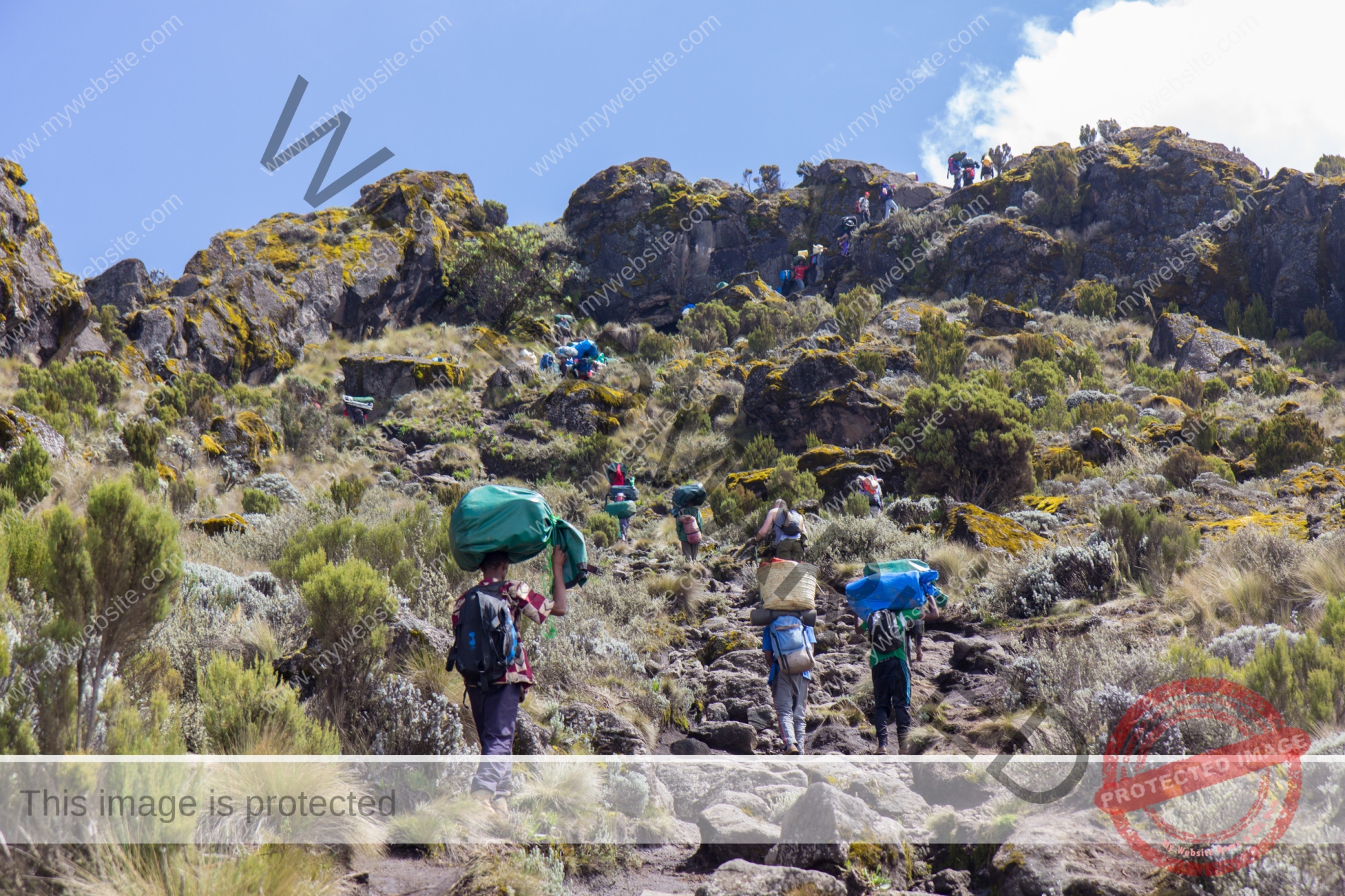
Here’s a quick packing checklist:

  • Lightweight, neutral clothing
  • Warm layers for nighttime
  • Sturdy shoes and sun protection
  • Binoculars and a camera

Proper preparation ensures you experience all the wonders Tanzania has to offer.

Vaccinations are crucial for safaris, so consult your doctor in advance. Malaria prevention is also essential, as the risk exists in some areas.

Travel insurance is a must, covering potential health issues and other emergencies. Ensure your policy includes all necessary coverage.

Engage in responsible travel to protect Tanzania’s natural beauty. Support eco-friendly lodges and local businesses, contributing to conservation efforts.

Key considerations include:

  • Checking needed vaccinations
  • Ensuring comprehensive travel insurance
  • Supporting sustainable tourism practices

A responsible approach not only protects you but also preserves the precious ecosystem for future travelers.

Frequently Asked Questions About Tanzania

Planning a safari raises many questions. Here are some common queries to help guide your planning.

Is Tanzania suitable for families? Yes, it’s ideal for families. Many safari packages cater specifically to children, ensuring a memorable trip for all ages.

What vaccinations are needed? A yellow fever vaccine is recommended, as well as malaria tablets. Consult your healthcare provider before departure for tailored advice.

How do I handle safari costs? Safaris can vary widely in price. Understand what’s included, such as meals, accommodations, and park fees, to budget effectively.

Common inquiries also include:

  • Is internet access available on safari?
  • Should I tip safari guides?
  • Can dietary needs be accommodated?

Consider these factors when planning your Tanzanian safari adventure. Each question answered ensures a smoother, more enjoyable journey.

Conclusion: Embark on Your Ultimate Tanzania Safari Adventure

Embarking on a safari in Tanzania is a journey like no other. With its breathtaking landscapes and diverse wildlife, Tanzania offers an unforgettable adventure. Whether you dream of seeing the Great Migration or relaxing on Zanzibar’s beaches, there is something here for everyone.

Plan your journey with care and an open heart. Experience the profound beauty and vibrant culture that Tanzania graciously shares. Let this once-in-a-lifetime adventure begin, promising memories you will cherish forever.

Top 10 Must-See Attractions in Zanzibar

Tranzania Travel Guide 

Things to do in zanzibar tanzania

Zanzibar is a dream destination for many travelers. This stunning archipelago off Tanzania’s coast offers a unique blend of culture and nature.

From pristine beaches to historic sites, Zanzibar has it all. It’s a place where adventure meets relaxation.

The island’s rich history is evident in its architecture and vibrant culture. Stone Town, a UNESCO World Heritage Site, is a must-see.

Zanzibar’s beaches are world-renowned. Nungwi and Kendwa offer white sands and crystal-clear waters.

For nature lovers, Jozani Forest is a haven. It’s home to the rare red colobus monkey.

The Spice Tour is a highlight for many visitors. It showcases Zanzibar’s history as a spice producer.

Zanzibar is also a gateway to safari adventures. Combine your trip with a safari for the ultimate experience.

Whether you’re seeking relaxation or adventure, Zanzibar promises an unforgettable journey.

Stone Town: The Heart of Zanzibar

Stone Town is a fascinating labyrinth of alleyways and historical charm. Walking through its streets is like stepping back in time. The architecture reveals a rich past influenced by Arab, Persian, Indian, and European cultures.

One of the must-visit sites is the House of Wonders. This grand building showcases Zanzibar’s unique history. Its design combines traditional and foreign elements, making it a standout landmark.

Stone Town is also home to the Old Fort. This historic fort now serves as a cultural hub. It hosts various events and exhibitions throughout the year.

While exploring, you’ll encounter vibrant markets and bustling shops. Here, you can purchase everything from spices to handmade crafts. Don’t miss the chance to haggle and interact with friendly locals.

Key Highlights of Stone Town:

  • House of Wonders: Historical significance and unique architecture.
  • Old Fort: A center for cultural events and exhibitions.
  • Bustling markets: A place to discover local crafts and spices.

For food lovers, Forodhani Gardens offer a delightful street food experience. It’s best visited at night when the market comes alive. Savor local dishes as you enjoy a view of the ocean.

Prison Island (Changuu Island): Tortoises and Turquoise Waters

Prison Island, also known as Changuu Island, is a popular destination just a short boat ride away from Stone Town. Originally used as a place for detaining rebellious slaves, it later housed a quarantine station for yellow fever. Today, it is a haven for visitors seeking natural beauty and history.

One of the island’s main attractions is its population of giant Aldabra tortoises. These gentle creatures roam freely, offering a unique wildlife interaction. Some tortoises are over a century old, making this a fascinating visit for both kids and adults.

The island’s crystal-clear waters make it a top spot for snorkeling. Colorful coral reefs teem with marine life, providing an underwater spectacle. It’s a serene escape perfect for unwinding and connecting with nature.

Exploring the island, you can also see the ruins of the old prison. Though never used for its intended purpose, the structure stands as a reminder of the past. It adds a historical touch to the island’s natural allure.

Nungwi Beach: White Sands and Nightlife

Nungwi Beach stands out as one of Zanzibar’s most alluring attractions. Known for its soft, white sands, it draws countless sun-seekers and adventurers. The beach is perfect for lounging under the sun or taking a leisurely stroll as the sun sets.

The area transforms after dusk, boasting a vibrant nightlife. Numerous beach bars and local clubs offer a chance to dance under the stars. With music blending traditional African beats and modern tunes, there’s something for every taste.

Visitors can enjoy various activities, keeping the fun rolling both day and night:

  • Sunset cruises offer romantic and scenic ocean views
  • Local seafood restaurants serve fresh catches with a twist
  • Shops line the beach with unique crafts and souvenirs

Whether you’re there for relaxation, adventure, or socializing, Nungwi Beach promises an unforgettable experience.

Jozani Forest: Home of the Red Colobus Monkey

Jozani Forest, nestled in the heart of Zanzibar, is a haven for nature lovers. This is the only national park on the island, boasting diverse wildlife. Among its unique residents is the rare red colobus monkey, endemic to Zanzibar.

Walking through the forest, you will encounter lush foliage and towering trees. The sound of chirping birds and rustling leaves creates a serene ambiance. Guided tours provide insights into the park’s rich biodiversity and conservation efforts.

Visitors can explore various attractions in Jozani Forest:

  • Red colobus monkeys: See these playful primates in their natural habitat
  • Mangrove boardwalks: Navigate the intricate ecosystem of mangrove trees
  • Butterfly gardens: Experience a flutter of colors and wings

With its vibrant flora and fauna, Jozani Forest offers a rejuvenating escape into nature’s cradle.

Spice Plantations: The Famous Zanzibar Spice Tour

Zanzibar is often referred to as the “Spice Island” due to its rich history in spice production. A tour of its spice plantations is a sensory delight, offering an array of aromas and flavors. Visitors gain insight into the island’s cultural and economic history during these tours.

Walking through the plantations, you’ll encounter a variety of spices, each with its distinct scent. Guides share fascinating stories about spice cultivation and historical trade routes. These tours are not only educational but also interactive, with opportunities to taste and smell fresh spices.

While exploring the spice plantations, you can expect to find:

  • Cloves: Essential to the local economy
  • Cinnamon: Known for its sweet aroma
  • Nutmeg: With its complex fragrance
  • Black pepper: Adds heat to any dish

Uncovering the world of spices offers a memorable and flavorful chapter of any Zanzibar trip.

Kendwa Beach: Water Sports and Relaxation

Kendwa Beach is a paradise for those seeking sun, sea, and activities. Its calm waters make it perfect for swimming and various water sports. The beach is a lively hub, drawing tourists from around the globe.

The shore offers opportunities for both relaxation and adventure. Whether you want to unwind under a palm tree or dive into thrilling water activities, Kendwa Beach does not disappoint. With its pristine environment, it’s easy to lose track of time here.

Visitors can participate in:

  • Snorkeling: Discover underwater marvels
  • Beach Volleyball: Fun in the sun
  • Jet Skiing: Speed through the waves
  • Sunset Cruises: Enjoy spectacular views

Kendwa is not only about activities; it is an ideal spot to relax. Many enjoy a quiet moment as the sunset paints the sky, ending a perfect day on the island.

Mnemba Atoll: Snorkeling and Diving Paradise

Mnemba Atoll is a renowned gem for snorkeling and diving enthusiasts. Encircling an exclusive island, the atoll boasts vibrant coral reefs and rich marine biodiversity. This underwater paradise offers an escape into the ocean’s wonders.

Underwater, you’ll find a breathtaking array of marine life. Snorkelers and divers encounter colorful fish, playful dolphins, and graceful sea turtles. The clarity of the water enhances visibility, making exploration both thrilling and rewarding.

Popular activities at Mnemba Atoll include:

  • Scuba Diving: For certified divers exploring deeper waters
  • Guided Snorkeling Tours: Learn from local experts
  • Marine Life Observation: Spotting exotic species
  • Underwater Photography: Capture stunning sea views

Mnemba offers both adventure and tranquility in its secluded setting. Whether you’re drifting with the currents or swimming alongside marine creatures, the experiences here create lasting memories.
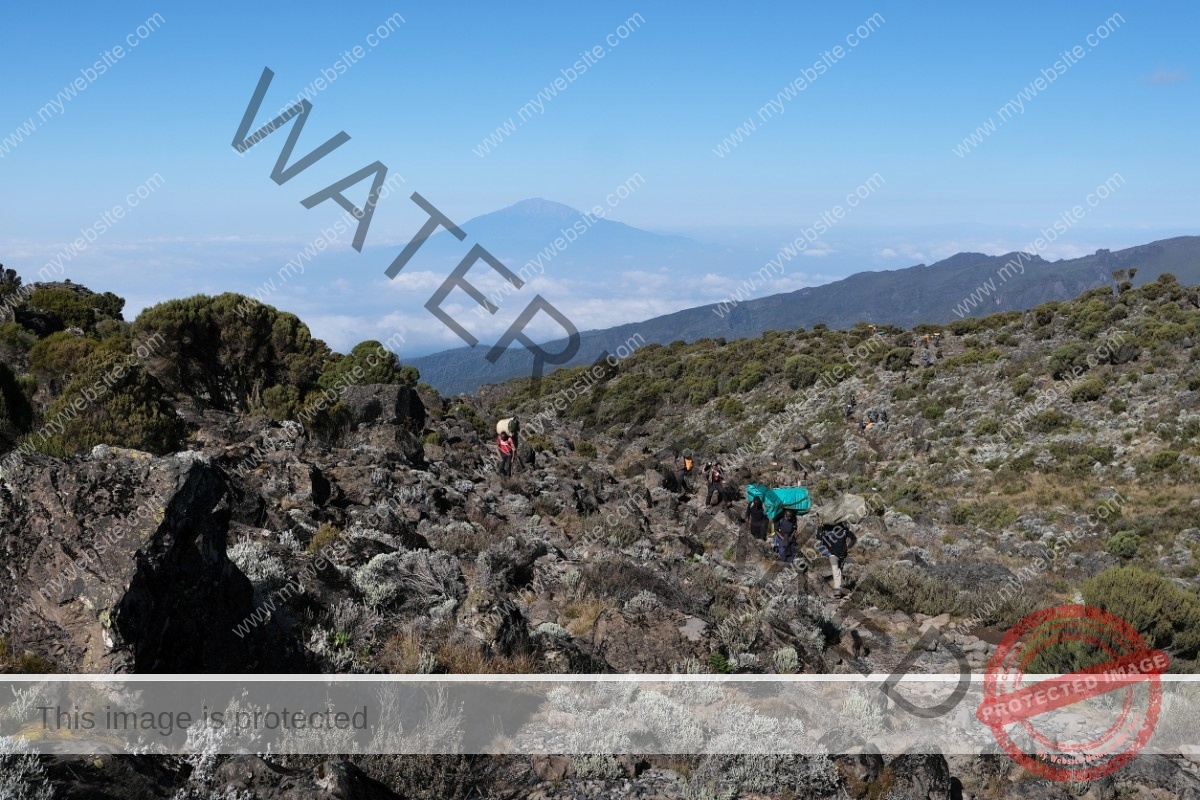
Forodhani Gardens: Zanzibar’s Night Market

Forodhani Gardens is a culinary hub that comes alive after sunset. Located in Stone Town, it transforms into a vibrant night market. The air fills with the aroma of grilling seafood and exotic spices.

Visitors can savor diverse Zanzibar dishes at affordable prices. The lively atmosphere is an experience in itself. Bright lanterns illuminate food stalls, adding to the charm.

Delights to try at Forodhani Gardens include:

  • Zanzibar Pizza: A unique local twist on a classic
  • Seafood Skewers: Fresh and flavorful
  • Sugar Cane Juice: Refreshing and sweet
  • Samosas: Crispy and filled with spiced meats or vegetables

A night at Forodhani Gardens offers a feast for the senses. This bustling market is a must-visit to taste Zanzibar’s culinary richness.

The Rock Restaurant: Dining on the Indian Ocean

The Rock Restaurant is one of Zanzibar’s most iconic dining spots. Perched atop a rock in the Indian Ocean, it promises an unforgettable experience. Accessible by foot at low tide and by boat at high tide, this restaurant offers stunning views of crystal-clear waters.

The menu focuses on fresh seafood, with dishes like grilled lobster and octopus salad. Each dish highlights the island’s rich culinary heritage. The combination of location and flavor makes dining here an extraordinary affair. Visitors often feel as if they’re dining in a dream, surrounded by the beauty of the ocean.

Jambiani & Paje Beaches: Kite Surfing and Local Culture

Jambiani and Paje Beaches are two gems on Zanzibar’s southeast coast. These beaches are known for their picture-perfect white sands and azure waters. They offer a relaxing escape and vibrant culture.

Paje Beach is a global hotspot for kite surfing. Strong, steady winds make it ideal for both novice and experienced surfers. Several local schools offer lessons and equipment rentals. The kite surfing scene here is vibrant, bustling with energy and color.

Alongside their natural beauty, these beaches showcase Zanzibar’s rich heritage. Visitors can explore Jambiani village for a glimpse into local life. Traditional dhow boats line the shores, and friendly locals welcome travelers. It’s a perfect blend of adventure and culture.

  • Ideal for kite surfing
  • Rich in local culture
  • Traditional dhow boats

Bonus: Zanzibar and Safari – The Ultimate Adventure Combo

For those seeking diverse experiences, a Zanzibar and safari combination is the perfect match. Begin by exploring Zanzibar’s pristine beaches and vibrant culture. Then, venture to Tanzania’s mainland for a thrilling safari adventure.

The Serengeti and Ngorongoro Crater are top spots for safari lovers. Witness the majestic wildlife, from elephants and lions to countless bird species. This adventure promises close encounters with Africa’s iconic animals.

Zanzibar travel packages often include this exciting combo. They cater to travelers who crave both beach relaxation and wildlife exploration. It’s the ultimate way to experience Tanzania’s natural wonders.

  • Diverse travel experiences
  • Safari with iconic wildlife
  • Relaxing beach time

Immerse yourself in the beauty of Zanzibar and beyond. This adventure duo offers memories for a lifetime.

Planning Your Zanzibar Trip: Tips and Packages

Planning a Zanzibar trip requires careful thought to make the most of this paradise. First, consider the best time to visit. The dry season, from June to October, is ideal for clear skies and warm temperatures.

Accommodations in Zanzibar range from luxury resorts to cozy beach bungalows. Choose a stay that suits your budget and style. Book ahead, especially during peak seasons, to secure your preferred lodging.

Many travelers opt for Zanzibar vacation packages. These often bundle flights, accommodations, and activities, offering great value and convenience. Look for deals that include popular tours like the Spice Tour or sunset dhow cruises.

To maximize your experience, consider these tips:

Zanzibar travel packages cater to diverse interests, from romantic getaways to family adventures. With the right planning, your Zanzibar holiday can be both unforgettable and stress-free.

Conclusion: Make Your Zanzibar Dream a Reality

Zanzibar offers a unique blend of stunning landscapes, rich history, and vibrant culture. Whether you’re exploring Stone Town’s historic alleys or relaxing on pristine beaches, there’s something for everyone. Each moment spent in Zanzibar leaves a lasting impression.

Exploring the Hidden Gems of Zanzibar Beach

Tranzania Travel Guide 

Exploring the Hidden Gems of Zanzibar Beaches

Zanzibar Beach is a paradise waiting to be explored. Nestled off the coast of Tanzania, it offers stunning vistas and rich culture.

The archipelago is renowned for its pristine beaches and vibrant marine life. Each beach has its own unique charm and allure.

From the lively Nungwi Beach to the serene Matemwe Beach, there’s something for everyone. Adventure seekers and relaxation lovers alike will find their haven here.

Zanzibar’s history is a tapestry of African, Arab, Indian, and European influences. This cultural blend is evident in its architecture and cuisine.

Visitors can explore Stone Town, a UNESCO World Heritage site, with its narrow alleys and historic buildings. The local language is Swahili, but English is widely spoken.

Zanzibar’s tropical climate makes it a year-round destination. However, planning around the rainy seasons is wise.

The island’s economy thrives on tourism, ensuring a warm welcome for travelers.

Prepare to uncover the hidden gems of Zanzibar Beach.

Zanzibar Beach: An Overview of Paradise

Zanzibar is synonymous with stunning beaches and a tropical paradise atmosphere. Its island charm and natural beauty lure travelers from around the globe.

The beaches are some of the most beautiful on earth. Crystal-clear waters lap against powdery white sands. This combination creates a serene environment perfect for relaxation.

Zanzibar’s geographic diversity means each beach offers something unique. Some beaches are vibrant and lively, while others are tranquil havens. This diverse range ensures all travelers find their perfect spot.

The island’s warm, hospitable locals add to its allure. Known for their friendliness, they welcome visitors with open arms, eager to share their rich culture.

  • Sunbathing on palm-fringed shores
  • Swimming in azure waters
  • Exploring marine life through snorkeling and diving

The island’s architecture reflects its rich history. Intricate wooden doors and carved buildings highlight a blend of cultures.

Zanzibar Beach is not just a destination. It is a journey into paradise.

The Best Beaches in Zanzibar: Where to Find Your Slice of Heaven

Zanzibar’s beaches are renowned worldwide for their beauty and charm. With each stretch of sand presenting its own allure, there’s much to explore.

Choosing among the best beaches can be tough, but each offers a unique slice of paradise. From bustling shores to tranquil retreats, Zanzibar caters to all.

  • Nungwi Beach: Vibrant nightlife and scenic sunsets
  • Kendwa Beach: Relaxation with spacious sands
  • Paje Beach: Perfect for kite surfing enthusiasts
  • Jambiani Beach: Authentic local village experiences
  • Matemwe Beach: Pristine sands ideal for diving adventures

A visit to Nungwi Beach offers spectacular sunsets and exciting entertainment. Just nearby, Kendwa Beach’s wide sands make it a perfect venue for lazy beach walks.

Paje Beach is a kite surfing hotspot, boasting favorable winds year-round. Farther south, Jambiani Beach is where you’ll find daily interactions with friendly villagers.

Matemwe Beach offers seclusion and amazing diving experiences. Nearby Mnemba Atoll promises incredible underwater explorations for enthusiasts.

Whether you seek solitude or excitement, Zanzibar’s beaches cater to all desires. Their unparalleled beauty leaves an indelible mark on any visitor.

Nungwi Beach: Sunsets and Nightlife

Nungwi Beach, located at the northern tip of Zanzibar, is lively and full of energy. Its sunsets are particularly enchanting, offering spectacular views.

The beach is a hub of nighttime activity. Bars and clubs dot the shore, hosting events that keep the fun going well into the night.

During the day, visitors can engage in various activities. Swimming in the warm ocean waters and lounging under the sun are popular pastimes.

Traditional dhow boats line the coast, available for sunset cruises. These unique experiences provide memorable perspectives of this stunning island.

Nungwi’s vibrant atmosphere makes it a favorite among travelers. It’s a perfect spot for those eager for a blend of relaxation and excitement.

Kendwa Beach: Wide Sands and Calm Waters

Kendwa Beach is celebrated for its expansive, idyllic shoreline. Its soft, wide sands stretch across a picturesque scene.

This beach is ideal for leisurely walks along the shore. The calm waters make it perfect for swimming and sunbathing.

Kendwa is also known for its monthly Full Moon Parties. These gatherings draw visitors and locals alike for nights of music and dancing.

Unlike busier beaches, Kendwa maintains a laid-back vibe. The tranquil environment invites relaxation while still offering activities and attractions.

The beach’s serenity and beauty make it a haven. Whether you want to enjoy peace or party under the stars, Kendwa provides it all.

Paje Beach: The Kite Surfer’s Dream

Paje Beach is renowned for its consistent winds and vibrant sea sports culture. It is a top destination for kite surfing enthusiasts.

The small village atmosphere adds to its charm. Beachside eateries and shops provide local flavors and crafts.

Paje attracts adventurers from all over for water sports. Kite surfing is the most popular, with ideal conditions year-round.

Relaxation seekers can find stretches of beach for sunbathing. The shallow waters extend far, perfect for wading and family-friendly fun.

Stay to enjoy the lively beach bars at night. The fusion of excitement and tranquility makes Paje a beloved spot for many.

Jambiani Beach: Authentic Village Life

Jambiani Beach offers a glimpse into authentic Zanzibari culture. This scenic beach is surrounded by a charming fishing village.

Strolling the shoreline allows interaction with locals. Visitors often see fishermen returning with their daily catch.

The calm waters here are great for swimming. The community atmosphere feels warm and welcoming to travelers.

Local cuisine can be enjoyed at beachside restaurants. Fresh seafood and traditional dishes create memorable dining experiences.

Jambiani is a hub for cultural immersion. A visit provides both relaxation and an understanding of island life.

Matemwe Beach: Tranquility and Diving Adventures

Matemwe Beach is a serene retreat, perfect for relaxation. Its pristine sands and azure waters set a tranquil scene.

The beach is close to the famous Mnemba Atoll. This marine reserve is a top location for diving enthusiasts.

The calmness of Matemwe provides a peaceful escape. Visitors can engage in leisurely beach walks and quiet meditation.

Diving trips to Mnemba reveal vibrant coral reefs and diverse marine life. Snorkeling is also popular for those preferring shallower waters.

Stay in luxurious resorts or charming local accommodations. Matemwe’s blend of seclusion and adventure captivates all who visit.

Other Notable Zanzibar Beaches

Apart from the major hotspots, Zanzibar hides several other gems. These lesser-known beaches offer unique allure for those who seek them.

Among these hidden treasures are:

  • Uroa Beach: Known for local charm and tidal changes
  • Pongwe Beach: Offers privacy and unspoiled beauty
  • Kizimkazi Beach: Famous for dolphin spotting and fishing

Uroa’s tides reveal scenic sandbars at low tide. Pongwe offers unblemished sands and solitude for introspection and peacefulness.

Kizimkazi, located on the south coast, is celebrated for dolphin tours. Its vibrant marine life invites exploration and adventure.

Hidden Gems: Secret Spots and Lesser-Known Beaches

For those eager to escape the crowds, Zanzibar offers hidden beaches and secret spots. These locations promise tranquility and untouched beauty.

Exploring these secluded stretches requires a bit of adventure. But the reward is serene landscapes and intimate settings.

Among the lesser-known gems are beaches like Kiwengwa, Bwejuu, and Michamvi. Each presents its own allure away from bustling tourists.

Kiwengwa Beach boasts long stretches perfect for peaceful strolls. The area is lined with coconut palms, providing shade and scenery.

Bwejuu offers a serene atmosphere with shallow waters. This makes it ideal for swimming or simply lounging by the sea.

Michamvi offers stunning sunsets and a rocky coastline. This unique beach invites quiet reflection amidst natural beauty.

These hidden gems cater to those craving solitude and natural beauty. The sense of discovery adds to their charm.

Explorers visiting Zanzibar might consider:

  • Kiwengwa Beach: Calm and lined with palms
  • Bwejuu Beach: Peaceful swimming spots
  • Michamvi Beach: For sunset views and rocky beauty

Each of these beaches allows travelers to connect with nature. Experiencing their beauty enriches any trip to Zanzibar.

Zanzibar’s Unique Culture and History

Zanzibar’s rich culture and history are deeply intertwined, offering a tapestry of influences. The island’s past is marked by diverse cultures such as African, Arab, Indian, and European. Each culture has left an indelible mark on the island’s traditions and architecture.

Stone Town, a UNESCO World Heritage site, is at the heart of this cultural fusion. Its narrow streets and old buildings tell tales of Zanzibar’s storied past. As you wander the town, you’ll encounter beautiful carved doors and bustling markets.

A visit to the Old Fort and House of Wonders provides insights into Zanzibar’s historical significance. These landmarks highlight the island’s role as a hub of trade and exchange.

The island’s history as a former slave trade center is explored in local museums. These sites offer a somber yet important understanding of Zanzibar’s past.

Zanzibar’s culture is also celebrated through its vibrant festivals. Events like the Zanzibar International Film Festival and Sauti za Busara music festival showcase the island’s artistic spirit.

The islanders, known for their warmth and hospitality, reflect the deep-rooted Swahili culture. Their stories and daily lives add to the rich tapestry of Zanzibar life.

Exploring Zanzibar’s culture involves:

  • Visiting Stone Town for historical tours
  • Attending local festivals for a cultural experience
  • Enjoying architectural sights unique to the island

The blend of history and culture makes Zanzibar a unique destination. Every street and smile tells its own story.

What Language Does Zanzibar Speak? Understanding Local Life

In Zanzibar, Swahili is the primary language spoken by the locals. This lyrical language is also known as Kiswahili and is widely used across East Africa. Despite its prevalence, English is also commonly understood, especially in tourist areas.

The island’s multilingualism reflects its diverse cultural influences. This linguistic richness makes communication accessible for travelers from different corners of the globe. Engaging with locals in their native language is always appreciated and often rewarded with warm smiles.

For those interested in diving deeper, here are key phrases to learn in Swahili:

  • Hello: Jambo
  • Thank you: Asante
  • How are you?: Habari yako?

Understanding the language adds a layer of connection when exploring Zanzibar. It opens doors to more genuine local interactions and experiences.

Top Activities and Experiences on Zanzibar Beaches

Zanzibar’s beaches offer a plethora of activities for every type of traveler. From adventure seekers to those looking for relaxation, Zanzibar has something special.

Water sports are a major draw. Dive into the crystal-clear waters to explore vibrant marine life. Snorkeling and scuba diving are must-try experiences here.

For those on land, Zanzibar presents tranquil beach walks. Stroll along the shores and soak in the stunning views. Each step reveals the island’s serene beauty.

Boat trips are another exciting option. Traditional dhow boat rides provide a unique perspective of Zanzibar’s coastline. They are perfect for sunset voyages.

For adventure enthusiasts, kite surfing is extremely popular on Paje Beach. This thrilling sport takes advantage of perfect winds and stunning scenery.

Besides water-based activities, Zanzibar also offers cultural tours. Explore the rich history of Stone Town with a knowledgeable guide.

Below are some top activities to consider during your visit:

  • Snorkeling and scuba diving
  • Dhow boat sunset cruises
  • Kite surfing on Paje Beach
  • Beach yoga and meditation
  • Visiting local markets

Engaging in these activities ensures a memorable Zanzibar trip. A mix of adventure and culture provides a perfect beach getaway.

Zanzibar’s Cuisine: Flavors of the Island

Zanzibar’s cuisine is a delightful blend of spices and cultures. The island’s rich history is reflected in its food, with influences from African, Arab, Indian, and European culinary traditions.

Seafood is a staple, fresh from the Indian Ocean. Grilled fish, calamari, and prawns are common dishes that never fail to impress. Each meal bursts with flavor, thanks to Zanzibar’s renowned spices.

The island is famous for its spice tours, where you can smell, touch, and taste homegrown cloves, cinnamon, and nutmeg. These add depth to local dishes.

Savoring street food in Zanzibar is an adventure in itself. Be sure to try the popular Zanzibar pizza and urojo soup. Don’t miss out on a Swahili meal that captures the essence of the island.

Local delicacies to try include:

  • Grilled seafood platters
  • Zanzibari biryani
  • Octopus curry
  • Urojo (Zanzibar Mix)

Zanzibar’s culinary offerings will enrich your beach vacation, leaving your taste buds excited and satisfied.

Conservation and Responsible Travel in Zanzibar

Zanzibar’s beauty is complemented by delicate ecosystems that require protection. Conservation is vital to maintaining this paradise for generations.

Several initiatives focus on safeguarding marine life and coral reefs. These efforts emphasize the importance of tourism that respects nature.

Travelers can contribute by following simple guidelines:

  • Avoid disturbing marine life while snorkeling
  • Support eco-friendly accommodations
  • Participate in beach clean-up activities

Engaging in responsible travel practices helps preserve Zanzibar’s stunning natural environment. By respecting local ecosystems, visitors ensure their travels have a positive impact.

Where to Stay: Zanzibar Beach Accommodations for Every Budget

Zanzibar offers a range of accommodations that cater to all types of travelers. Whether you’re seeking luxury or a cozy guesthouse, the island has you covered.

Luxury resorts provide top-notch amenities and beachfront views. Lavish rooms, infinity pools, and world-class dining await those who opt for opulence.

For mid-range budgets, charming boutique hotels offer unique decor and personalized service. These provide comfort without the high cost, ensuring a memorable stay.

Budget travelers can find excellent guesthouses and hostels. These offer basic amenities but maintain quality and a warm atmosphere.

Options for any taste and budget:

  • High-end luxury resorts
  • Boutique hotels with personality
  • Affordable guesthouses and hostels

Staying on Zanzibar beach means waking to ocean breezes and falling asleep to the sound of waves. Your ideal accommodation enhances this paradise experience.

When to Visit: Zanzibar Beach Weather and Travel Tips

Zanzibar boasts a tropical climate, making it an enticing year-round destination. However, some periods stand out for their ideal conditions.

The dry season, from June to October, is most favorable. During these months, the weather is cooler and perfect for beach activities and exploring.

Rainy seasons fall between March to May and November. While the island is quieter, heavy rains can impact travel plans.

Key travel tips for visiting Zanzibar:

  • June to October for dry, sunny days
  • Avoid peak rains in March to May
  • Plan for cultural events like the Sauti za Busara festival in February

Timing your visit is crucial for maximizing enjoyment. Friendly locals and breathtaking views await at any time of the year.

Planning Your Zanzibar Beach Adventure: Essential Tips

Zanzibar’s beaches are renowned worldwide for their beauty and charm. With each stretch of sand presenting its own allure, there’s much to explore.

Choosing among the best beaches can be tough, but each offers a unique slice of paradise. From bustling shores to tranquil retreats, Zanzibar caters to all.

  • Nungwi Beach: Vibrant nightlife and scenic sunsets
  • Kendwa Beach: Relaxation with spacious sands
  • Paje Beach: Perfect for kite surfing enthusiasts
  • Jambiani Beach: Authentic local village experiences
  • Matemwe Beach: Pristine sands ideal for diving adventures

A visit to Nungwi Beach offers spectacular sunsets and exciting entertainment. Just nearby, Kendwa Beach’s wide sands make it a perfect venue for lazy beach walks.

Paje Beach is a kite surfing hotspot, boasting favorable winds year-round. Farther south, Jambiani Beach is where you’ll find daily interactions with friendly villagers.

Matemwe Beach offers seclusion and amazing diving experiences. Nearby Mnemba Atoll promises incredible underwater explorations for enthusiasts.

Whether you seek solitude or excitement, Zanzibar’s beaches cater to all desires. Their unparalleled beauty leaves an indelible mark on any visitor.

Conclusion: Why Zanzibar Beaches Should Be on Your Bucket List

Zanzibar’s beaches are a dream come true for travel enthusiasts. With pristine sands and crystal-clear waters, they offer unmatched beauty. The island’s cultural tapestry adds depth to its stunning landscapes.

Unique experiences await every type of traveler. Whether you seek adventure, relaxation, or cultural immersion, Zanzibar delivers. Its vibrant sunsets and warm hospitality leave a lasting impression.

Zanzibar is not just a destination; it’s an invitation to explore paradise.

Essential Tips for Climbing Mount Kilimanjaro

Luxury, Mid-Range, and Budget Tanzania Vacation Options

Tanzania Travel Guide 

Essential Tips for Climbing Mount Kilimanjaro

Climbing Mount Kilimanjaro is a dream for many adventure seekers. This iconic peak stands as Africa’s highest mountain. It offers a unique challenge and breathtaking views.

Located in Tanzania, Kilimanjaro is a non-technical climb. This means you don’t need special mountaineering skills. However, preparation is key to a successful ascent.

The mountain’s diverse landscapes range from lush rainforests to arctic conditions. Each step brings new scenery and experiences.

Choosing the right route is crucial. Options vary in difficulty, scenery, and duration. Popular routes include Marangu, Machame, and Lemosho.

Acclimatization is essential to avoid altitude sickness. Take your time and listen to your body.

Hiring experienced guides and porters enhances your climb. They provide support and local knowledge.

Prepare for a life-changing adventure. The summit, Uhuru Peak, awaits those who persevere.

What is Mount Kilimanjaro? Key Facts and Location

Mount Kilimanjaro is a dormant volcano in Tanzania. It consists of three volcanic cones: Kibo, Mawenzi, and Shira. Each cone adds to the mountain’s majestic profile.

This towering peak reaches a height of 5,895 meters (19,341 feet). It claims the title of Africa’s highest mountain. Its snow-capped summit is a sight to behold.

Situated in Kilimanjaro National Park, the mountain draws thousands of climbers annually. This UNESCO World Heritage Site is renowned for its stunning biodiversity.

Access is facilitated by the town of Moshi, serving as a gateway. From there, climbers can arrange tours and permits.

  • Height: 5,895 meters (19,341 feet)
  • Location: Northern Tanzania
  • Features: Three volcanic cones
  • Park Status: UNESCO World Heritage Site

How High is Mount Kilimanjaro? Understanding Africa’s Highest Peak

Mount Kilimanjaro stands at a formidable 5,895 meters (19,341 feet). It towers above the surrounding savannah and is one of the world’s tallest freestanding mountains.

Such heights mean Kilimanjaro is Africa’s highest peak. This prominence contributes to its allure and challenge for climbers. Reaching the summit is a significant achievement.

Altitude plays a crucial role in the climbing experience. As elevation increases, oxygen levels decrease, affecting climbers’ bodies. Proper acclimatization is necessary.

  • Summit: Uhuru Peak on Kibo
  • Rank: Highest in Africa
  • Comparison: Higher than the Alps
  • Atmosphere: Thin air, colder climate

Scaling Kilimanjaro means ascending through various ecosystems. Each level offers a unique perspective and challenge.

Where is Kilimanjaro in Tanzania? Getting There and Maps

Mount Kilimanjaro is located in northeastern Tanzania. It’s near the border with Kenya within the Kilimanjaro National Park. This iconic peak is a significant part of the country’s landscape.

Travelers can reach Kilimanjaro through Kilimanjaro International Airport. It’s just a short drive from Moshi, the nearest town to the mountain. Moshi serves as a hub for climbers and offers essential services.

Navigating to Kilimanjaro is straightforward. Maps and local guides help ensure a smooth journey. It’s important to plan your route to the mountain to maximize climbing time.

Key travel tips:

  • Airport: Kilimanjaro International
  • Town: Moshi nearby
  • Accessibility: Easy road connections

The Main Mount Kilimanjaro Trails: Choosing Your Route

When planning a climb, selecting the right trail is crucial. Each route offers unique experiences. Factors such as scenery, difficulty, and duration vary between routes.

Kilimanjaro has several popular trails. They cater to different levels of hikers. Understanding the differences can help you make the best choice.

Here are the main trails:

  • Marangu
  • Machame
  • Lemosho
  • Rongai
  • Northern Circuit
  • Umbwe and Shira

The Marangu Route, often called the “Coca-Cola” route, is the oldest. It offers hut accommodations and is popular for its gentler ascent.

The Machame Route is known as the “Whiskey” route. It’s more challenging but offers dramatic landscapes. Ideal for those seeking a less crowded climb.

For those who love solitude, the Lemosho Route offers the longest path. It provides ample acclimatization time and beautiful wildlife sightings.

The Rongai Route approaches Kilimanjaro from the north. It is less busy and crosses diverse terrains, providing a unique perspective.

The Northern Circuit is the longest and least crowded route. It gives excellent acclimatization and breathtaking views.

Umbwe and Shira Routes are the least traveled trails. They are for experienced climbers seeking a steep and adventurous path.

Marangu Route

The Marangu Route is often considered the easiest path. It has hut accommodations, adding comfort to the journey.

This route is ideal for first-time climbers. Its gradual incline attracts many seeking a smoother ascent.

Machame Route

The Machame Route offers stunning panoramas of the mountain. It’s more challenging, known for its diverse ecosystems.

This path is suited for those seeking adventure. The trek involves steeper climbs and has longer distances.

Lemosho Route

The Lemosho Route starts on the remote western side. It’s perfect for those who appreciate solitude.

This trail allows ample time for acclimatization. It gives climbers a better chance of reaching the summit.

Rongai Route

Starting from the north, the Rongai Route is drier. It’s the only route approaching from this side.

Rongai is less crowded, making it attractive. Hikers enjoy the wilderness and diverse environments.

Northern Circuit

The Northern Circuit is the longest route. It offers spectacular views over extended periods.

Ideal for acclimatization, it reduces altitude sickness risk. This path rewards climbers with both beauty and safety.

Umbwe and Shira Routes

Umbwe and Shira Routes are steep and for experienced climbers. They offer a direct and rapid climb.

Ideal for those seeking adventure, these routes challenge. They demand physical fitness and preparation.

Wildlife, Scenery, and Unique Features of Kilimanjaro

Mount Kilimanjaro is a treasure trove of diverse ecosystems. As you ascend, the landscape transforms dramatically. You’ll traverse lush rainforests, striking alpine deserts, and icy glaciers.

The wildlife is equally captivating. Among the species are colobus monkeys, elephants, and unique birds. Each zone presents its own ecological charm, offering sightings that surprise and inspire.

Key scenic features include:

  • The vibrant Shira Plateau
  • Towering Lava Tower formations
  • Dazzling views from Barranco Wall

Every step on Kilimanjaro reveals something special. From the towering Mawenzi peak to the retreating glaciers, the mountain’s features are unforgettable. These make the climb both challenging and rewarding.

How Long Does it Take to Climb Kilimanjaro?

The duration of a Kilimanjaro climb varies by route. Typically, it takes between five to nine days. Time spent depends on your chosen path and fitness level.

Acclimatization plays a crucial role in determining the length. Longer treks help reduce altitude sickness risks. Picking a longer route boosts summit success chances.

Routes like Marangu might take five to six days. Meanwhile, Lemosho and Northern Circuit can stretch to nine days. Time allows for a leisurely pace and better acclimatization.

Consider these factors when planning:

  • Route choice and daily distance
  • Personal fitness and experience
  • Importance of acclimatization

Ultimately, the trek’s duration influences the experience. Opt for more days if time allows, ensuring enjoyment and safety.

How Difficult is the Tanzania Mt Kilimanjaro Climb?

Climbing Mount Kilimanjaro is a non-technical endeavor. This means you won’t need specialized mountaineering skills or equipment. However, the trek requires physical endurance and mental strength.

Many factors contribute to the climb’s difficulty. The most significant challenge is high altitude, which can affect anyone. Hence, acclimatization is essential to avoid altitude sickness.

The terrain is varied, with trails ranging from forests to scree slopes. Each day presents a new environment, adding to the overall challenge. Steeper sections, especially near the summit, test stamina.

Consider these aspects of difficulty:

  • High altitude adjustments
  • Varied terrain and weather changes
  • Long daily hikes

Although challenging, reaching the summit is rewarding. Proper preparation, training, and determination make the ascent manageable. Remember, thousands successfully reach the top each year.

When is the Best Time to Climb Mount Kilimanjaro?

Timing your climb is crucial for a successful Kilimanjaro experience. The mountain’s weather varies significantly throughout the year. It’s best to aim for the dry seasons for optimal conditions.

The most favorable months are January to March and June to October. These periods offer more stable weather and clearer skies. They also provide a better chance to enjoy the stunning views.

Consider these factors when planning your trip:

  • Dry seasons: January-March, June-October
  • Weather patterns and stability
  • Personal schedule and tour operator availability

While climbing is possible year-round, avoiding the heavy rains of April, May, and November is wise. Wet seasons bring slippery paths and challenging conditions. Always consult with an expert guide for the best advice.

How Much Does it Cost to Climb Kilimanjaro? Budgeting and Price Breakdown

Climbing Mount Kilimanjaro can be a significant investment. The cost to climb can vary depending on several factors. These include the route chosen and the tour operator’s services.

Typically, climbers can expect to pay between $1,500 and $4,000. This range often covers permits, guide services, and basic equipment. More luxurious tours with added amenities will cost more.

Here’s a breakdown of common costs:

  • Park fees and permits
  • Guide and porter wages
  • Food and accommodations
  • Transportation to and from the mountain

Budgeting is key to a stress-free experience. Consider travel insurance and personal expenses, too. Compare several tour operators for the best value without compromising safety. Prices can sometimes seem high but support local communities and conservation efforts. Choose a reputable operator to ensure a well-organized trek.

Preparing for Your Kilimanjaro Trek: Training and Fitness

Proper training is crucial for a successful Kilimanjaro ascent. Physical fitness helps you handle the mountain’s challenges. Start training several months before your climb date.

Focus on cardiovascular and strength exercises. Activities such as hiking, running, and biking improve endurance. Incorporate leg and core exercises to strengthen essential muscles.

Consider the following training tips:

  • Include weekly hikes with a backpack
  • Focus on increasing distance and elevation
  • Practice walking with trekking poles

Mental preparation is just as important as physical training. Stay positive and visualize reaching the summit. Remember, persistence and grit are key. Aim to be in peak condition to fully enjoy this adventure. Keep a balanced routine to avoid burnout and overtraining.

Essential Gear and Packing List for Kilimanjaro

Equipping yourself with the right gear is vital for your Kilimanjaro climb. Layering is essential due to varying temperatures. Proper clothing will keep you comfortable throughout the trek.

Include a moisture-wicking base layer, insulating mid-layer, and waterproof outer layer. Sturdy hiking boots, broken in before the trek, are crucial. Consider gaiters to keep debris out of your boots.

Don’t forget a warm hat, gloves, and a good quality sleeping bag rated for sub-zero temperatures. Sunglasses and sunscreen protect against sun exposure, especially at higher altitudes.

Here’s a basic packing list:

  • Backpack with rain cover
  • Trekking poles for support
  • Reusable water bottle or hydration system
  • Headlamp with extra batteries
  • Personal first-aid kit

Ensure you pack light but efficient. Prioritize high-quality gear for safety and comfort. A well-packed bag will enhance your climbing experience immensely.

Acclimatization and Altitude Sickness: Staying Safe on the Mountain

Altitude sickness is a serious risk when climbing Kilimanjaro. Your body needs time to adjust to lower oxygen levels. Acclimatization techniques are crucial for a successful climb.

Climbing slowly can help your body acclimatize. Pace yourself, and listen to your body. Ensure your itinerary allows for sufficient acclimatization days.

Symptoms of altitude sickness include headache, nausea, and dizziness. If symptoms worsen, it’s important to descend immediately.

To stay safe, follow these tips:

  • Hydrate by drinking plenty of water
  • Avoid alcohol and caffeine
  • Keep a steady pace
  • Use acclimatization days wisely

Remember, every climber adapts differently to altitude. Taking these precautions will help mitigate risks and increase your chances of reaching the summit. Your health should always come first.

Cultural Insights: Meeting the Chagga People and Local Communities

Climbing Mount Kilimanjaro offers a cultural journey. The Chagga people, who reside around the mountain, are known for their hospitality and rich traditions. Engaging with them enriches the experience beyond the physical climb.

Their vibrant culture is evident in daily life and local customs. Visitors can explore traditional villages, taste local cuisine, and learn about coffee farming—a Chagga specialty.

Key cultural insights include:

  • Traditional Chagga houses
  • Unique farming practices
  • Local stories and legends

By embracing these cultural interactions, climbers gain a deeper understanding of the region. The shared stories and warm welcomes leave lasting impressions on anyone visiting Kilimanjaro.

What to Expect on the Climb: Day-by-Day Experience

Climbing Mount Kilimanjaro is a remarkable journey. Each day on the mountain offers unique challenges and rewards.

The initial days often begin in lush rainforests. You’ll encounter diverse flora and fauna. As you ascend, the vegetation gradually thins.

The middle of the climb covers moorland and alpine deserts. This barren landscape is vast and scenic. The terrain can be rocky and uneven.

Each night, climbers camp beneath the stars. It’s important to rest and recover. The cold can be intense at higher altitudes.

Before the summit, climbers face their toughest day. Starting around midnight, the ascent to Uhuru Peak begins. Darkness and cold are constant companions.

Upon reaching Uhuru Peak, the view is breathtaking. The sun rising over Africa is a sight to behold. This moment is often described as life-changing.

On your climb, expect to adjust to changing climates. Prepare for daily fluctuations in weather. Stay hydrated, and follow your guide’s advice.

Summary of daily experiences:

  • Rainforest and wildlife at lower levels
  • Moorland and desert in middle altitudes
  • Cold nights under starry skies
  • Summit day challenges
  • Sunrise on Uhuru Peak

This day-by-day experience enriches and tests climbers in various ways. Embrace each day and its unique trials. The memories will last a lifetime.

Kilimanjaro Climb Guides and Tour Operators: How to Choose the Best

Selecting the right guide or tour operator is crucial. They greatly influence your experience. A reputable operator ensures safety and success.

First, research thoroughly before booking. Compare reviews from previous climbers. Look for operators with high success rates.

Guides should be knowledgeable about the mountain. They should be experienced in handling emergencies. Their expertise is invaluable at high altitudes.

Key considerations when choosing a tour operator:

  • Reputation and reviews
  • Success rates of reaching the summit
  • Quality of equipment and services provided

Ask questions during your selection process. Inquire about the guide-to-client ratio. Ensure they adhere to ethical climbing practices.

A good operator supports the local community. Their porters should receive fair wages. This adds to the climb’s sustainability.

The Role of Porters and Guides: Supporting Your Success

Porters and guides play a vital role in your Kilimanjaro climb. They carry gear and provide essential support throughout the journey. Their local knowledge and skills are invaluable.

Guides offer direction and motivation. They are trained to manage altitude sickness. Porters handle logistics, making sure everything you need reaches the camps.

When choosing guides and porters, consider these factors:

  • Level of experience and training
  • Knowledge of mountain safety protocols
  • Capability to offer encouragement and assistance

Supporting the local community is vital. Ensure porters are treated fairly. They deserve respectful treatment and appropriate compensation for their hard work. Respecting this enhances your expedition.

Reaching the Top: Uhuru Peak and the Summit Experience

Reaching Uhuru Peak is the pinnacle of the Kilimanjaro experience. It’s the highest point in Africa, offering breathtaking views. As the sun rises, climbers are rewarded with stunning landscapes that stretch for miles.

The final ascent typically starts at midnight. Climbers rely on headlamps, navigating the challenging terrain in darkness. The thin air and cold temperatures test both endurance and resolve.

Key summit highlights include:

  • Watching the sunrise over the African plains
  • Standing on top of Africa’s tallest mountain
  • Experiencing a profound sense of achievement

The ascent’s difficulty makes the summit even more rewarding. Many climbers describe this moment as life-changing, filled with a deep sense of personal triumph.

After the Climb: Recovery, Reflection, and Next Adventures

After descending from Kilimanjaro, it’s important to rest. Your body needs time to recover from the physical exertion. Hydration and good nutrition are essential to regain strength.

Reflecting on the climb can be just as rewarding. Consider the challenges faced and overcome. The experience often inspires thoughts of future adventures.

Possible post-climb activities include:

  • Visiting nearby national parks
  • Exploring local cultures
  • Planning your next hiking trip

Recovering well ensures you’re ready for whatever comes next. The memories and lessons from Kilimanjaro may guide your future explorations.

Final Kilimanjaro Advice and Inspiration

Climbing Mount Kilimanjaro is a test of strength and resilience. Trust your preparation and lean on your guides’ expertise to make the journey successful.

Embrace the challenge with a positive mindset. The climb is not just about reaching the summit, but also the personal growth along the way.

Key inspirational points:

  • Believe in your determination.
  • Appreciate the mountain’s unique beauty.
  • Cherish every moment of the climb.

Let this adventure be a reminder of the limitless possibilities when courage meets ambition. Your experience on Kilimanjaro will be a lifelong source of inspiration.

Frequently Asked Questions About Climbing Mount Kilimanjaro

How long does it take to climb Mount Kilimanjaro?

The climb usually takes between 5 to 9 days. The duration depends on the chosen route and acclimatization needs. Allowing more days improves the chance of reaching the summit successfully.

What are the costs involved in climbing Kilimanjaro?

Expect costs ranging from $1,500 to $4,000. This includes park fees, guides, porters, and food. Choosing a reputable operator may affect the price but ensures safety and support.

What gear is needed for the climb?

Essential gear includes layered clothing, sturdy boots, and a quality sleeping bag. Other items include a waterproof jacket, backpack, and trekking poles. Be prepared for varying weather conditions.

How can I prevent altitude sickness?

Acclimatization is key. Ascend slowly and stay hydrated. Consider medication as a precaution, and listen to your body’s signals. Proper planning reduces the risk significantly.

What is the best time to visit Kilimanjaro?

The best time to climb is during the dry seasons. Consider January to March and June to October for favorable conditions and clearer skies.

  • How to choose the right route?
  • What to expect from the weather?
  • Is it safe to climb alone?

Understanding these aspects enhances your climbing experience. Proper preparation and knowledge ensure your journey is both safe and enjoyable.

The Best Time to Visit Tanzania for Safaris

Tranzania Travel Guide 

Optimal Seasons for Visiting Tanzania

Tanzania is a land of diverse landscapes and rich wildlife. It offers unique experiences for every traveler. From the vast plains of the Serengeti to the pristine beaches of Zanzibar, there’s something for everyone.

Choosing the best time to visit Tanzania can enhance your experience. The country has two main seasons: dry and wet. Each season offers different opportunities and challenges.

The dry season, from June to October, is ideal for safaris. Wildlife is easier to spot as animals gather around water sources. The Great Migration in the Serengeti is a must-see during this time.

Zanzibar, with its tropical climate, is best visited during the dry months. June to October and December to February offer perfect beach weather. The wet season, from November to May, brings lush landscapes and fewer tourists.

However, some roads may become impassable during heavy rains. The weather in Tanzania varies by region. Coastal areas are humid, while inland areas are drier.

Understanding these seasonal variations can help you plan your trip. Whether you’re interested in safaris, beach vacations, or cultural experiences, timing is key.

This guide will help you discover the optimal seasons for visiting to Tanzania.

Understanding Tanzania’s Climate and Seasons

Tanzania’s climate is defined by its geographical diversity. It is influenced by its proximity to the equator and its varied landscapes. Generally, the climate can be categorized into two main seasons: dry and wet.

The dry season lasts from June to October. During these months, the weather is cooler and less humid. This makes it perfect for outdoor activities and safaris.

The wet season spans from November to May. It is further divided into two periods of rainfall: the short rains and the long rains. The short rains occur from November to December, while the long rains extend from March to May.

Different regions in Tanzania experience these seasons differently. For example, coastal areas like Zanzibar are warm and humid year-round. In contrast, higher altitude areas, such as the Serengeti, tend to be cooler.

  • Dry Season (June to October): Best for wildlife viewing and beach activities.
  • Short Rains (November to December): Lush landscapes, but some travel disruptions possible.
  • Long Rains (March to May): Heavy rain, making some areas difficult to access.

The climate variations also affect travel costs and tourist density. Peak seasons usually bring higher prices and more visitors. Shoulder seasons can offer a balance between good weather and fewer crowds.

By understanding these seasonal dynamics, you can tailor your trip to suit your preferences. Whether you seek adventure, relaxation, or cultural immersion, timing is everything.

Month Guide to Visiting Tanzania

Tanzania offers a myriad of experiences throughout the year. The best month to visit Tanzania depends largely on your interests. This month-by-month guide will help you plan your visit according to the season and activity preferences.

January marks the start of the calving season in the Serengeti. Expect to see newborn animals, attracting predators. At this time, the beaches of Zanzibar bask in warm, sunny days.

February continues to offer prime conditions for wildlife viewing. It’s still calving season in the Serengeti. Zanzibar is also a prime destination, with pleasant weather allowing for relaxing beach time.

March ushers in the long rainy season. The landscapes transform into lush greenery, perfect for photography. However, some roads might become difficult to navigate.

April is one of the rainiest months, with heavy showers across the country. Despite this, birdwatchers will find this time particularly rewarding. Migrant birds can often be seen during this period.

May sees the continuation of rains, although they may start to lessen towards the end. While it’s off-peak for safaris, it offers vibrant landscapes and fewer crowds.

June signals the start of the dry season. This is the best time for safaris, as wildlife gathers around water sources. Kilimanjaro climbing becomes more feasible with clearer skies.

July remains perfect for safaris, attracting visitors with comfortable temperatures. Both the Serengeti and Zanzibar are bustling with activities. The Great Migration is a spectacle not to be missed.

August is a prime safari month. Wildlife is plentiful, and the weather is stable. Beach enthusiasts will also enjoy Zanzibar’s sun-kissed shores.

September offers continued dry weather, ideal for various outdoor adventures. Wildlife stays active, and the parks are bustling with life. Zanzibar remains a sunbather’s paradise.

October marks the end of the dry season. It’s a great time for those who enjoy diving in Zanzibar. The visibility underwater is usually excellent.

November brings the short rains. Despite brief showers, it’s still a good time for birdwatching. The landscapes start to get green again, rejuvenating the scenery.

December is the start of the shoulder season. Visitors will find lush landscapes and fewer tourists. Holidaymakers will still enjoy Zanzibar’s inviting beaches.

January to February: Calving Season and Warm Beaches

January and February are among the best months to travel to Zanzibar and explore the mainland. These months offer a delightful mix of wildlife and coastal attractions.

In the Serengeti, January marks the calving season. During this period, thousands of wildebeest give birth. Witnessing this event is a mesmerizing experience.

The calving season is also prime predator time. Predators such as lions and hyenas become very active. This increases the chances of witnessing dramatic wildlife interactions.

Meanwhile, Zanzibar enjoys warm, pleasant weather. The beaches are perfect for sunbathing and swimming. The temperature is usually in the high twenties to low thirties Celsius.

During these months, both adventure and relaxation seekers find satisfaction. Here’s a quick list of activities to consider:

  • Witness the Serengeti calving season
  • Explore vibrant coastal life in Zanzibar
  • Enjoy water sports and snorkeling in clear waters

Visiting Tanzania during this time offers the best of both worlds. Whether you are a beach lover or a wildlife enthusiast, January and February will not disappoint.

March to May: The Long Rains and Lush Landscapes

March ushers in the long rainy season, transforming Tanzania’s landscape. With daily downpours, the scenery turns vividly green. However, travel can be more challenging during this time.

April is the peak of the rainy season. Heavy rains can make certain areas less accessible. Roads may become muddy, affecting overland travel plans.

The abundant rain brings unique opportunities. For one, birdwatchers will find great delight in spotting migratory species. Additionally, photographers will love capturing the lush, green scenery.

Visitors can also savor a quieter experience in the national parks. The crowds are much thinner, giving a sense of solitude. And due to the rains, accommodation might be more affordable.

While safaris might be less conventional, this time of year has its charm. Here’s why a visit in this period might be enticing:

  • Dramatic, lush landscapes ideal for photography
  • Excellent birdwatching opportunities with numerous species
  • Fewer crowds mean a more personal experience

As May progresses, the rain starts to diminish. The end of the rainy season signals the awakening of Tanzania from its wet spell, ready for the upcoming dry season.

June to October: The Dry Season and Peak Safari Time

June marks the commencement of Tanzania’s dry season. The weather is optimal for outdoor adventures. It’s also the best time to go to Tanzania for an unforgettable safari.

Wildlife congregates around shrinking water sources, making them easier to spot. The plains dry up, and animals gather around rivers and lakes. A visit to the Serengeti will not disappoint safari enthusiasts.

July and August are peak months for safaris. During these months, the Great Migration is a major highlight. Millions of wildebeest and zebras traverse the Serengeti, creating a spectacle.

Meanwhile, Zanzibar is bustling with beachgoers. The temperatures are warm, yet pleasant, and the skies clear. This is the best season to visit Zanzibar for beach activities.

September continues with optimal conditions. Whether climbing Kilimanjaro or diving in Pemba, the weather is cooperative. Many travelers plan their trips around these favorable conditions.

In October, the dry season continues to dominate. It offers the last chance for excellent wildlife viewing before the short rains. Diving opportunities also peak during this period.

Here’s what travelers can enjoy during this peak season:

  • Witness the Great Migration in the Serengeti
  • Explore Zanzibar’s warm beaches and aquatic activities
  • Climb Mount Kilimanjaro under stable weather

For those seeking adventure and natural beauty, this period is unparalleled. It’s a time when Tanzania reveals its full potential to visitors.

November to December: Short Rains and Shoulder Season

November introduces the short rains, refreshing Tanzania’s landscapes. Although brief, these rains bring vibrancy back to the scenery. Travel becomes more affordable as tourist numbers dwindle.

The Serengeti sees a reduced tourist flow, offering a sense of exclusivity. Wildlife remains abundant despite the rains. This is a great time for those who prefer tranquility over crowds.

December continues the shoulder season, ensuring landscapes remain green. The weather is less humid, with occasional showers. Safari experiences are intimate, as the rush of tourists hasn’t returned yet.

Zanzibar, during these months, is less crowded. The beaches beckon with warm temperatures and cooling breezes. It’s a good time for cultural excursions and exploring the local life.

While some may be deterred by the rains, there are unique benefits. A few advantages of visiting during November and December include:

  • Reduced tourist numbers for a more personal experience
  • Refreshing landscapes with bursts of greenery
  • Lower travel costs, making for more budget-friendly visits

As the year ends, Tanzania gradually transitions towards its busier seasons. Yet, for the discerning traveler, the shoulder season is full of quiet charm.

Special Activities: Climbing Kilimanjaro, Birdwatching, and More

Tanzania offers thrilling activities beyond safaris and beaches. One highlight is climbing Mount Kilimanjaro. The optimal climbing seasons are June to October and January to March. During these months, the weather is more predictable, and routes are safer.

For bird enthusiasts, Tanzania is a paradise. The wet season, especially from November to April, attracts migratory birds. During these months, the landscape is lush and vibrant, perfect for birdwatching.

Cultural experiences also abound in Tanzania. Visiting local tribes such as the Maasai provides insight into traditional lifestyles. These cultural tours are available year-round.

The Great Migration isn’t just for safari-goers. Photographers flock to capture this dynamic natural event. Timing your visit with the migration offers stunning photo opportunities.

Other activities include scuba diving and snorkeling in Zanzibar. The clear waters are teeming with marine life, especially during the dry season.

Here’s a summary of special activities and their best times:

  • Climbing Kilimanjaro: June to October, January to March
  • Birdwatching: November to April
  • Cultural Tours: Year-round
  • Photography: During the Great Migration
  • Scuba Diving in Zanzibar: Dry season

Whether scaling peaks or immersing in culture, Tanzania offers diverse adventures. Plan your activities around these optimal times for an unforgettable experience.

Best Time to Visit the Serengeti

The Serengeti is renowned for its incredible wildlife and landscapes. It remains a top destination for safari enthusiasts. Knowing the best time to visit can greatly enhance your experience.

During the dry season, from June to October, the Serengeti is at its prime. Wildlife congregates around the remaining water sources. This makes it easier to spot animals, including the Big Five.

The dry season provides clear skies and cooler temperatures. This is particularly beneficial for game drives. Comfortable weather means you’ll enjoy long days of exploration without discomfort.

In contrast, the wet season has its own allure. It begins around November and stretches to May. This period offers the chance to see lush, green landscapes and migratory birds.

The calving season spans January and February. During these months, wildebeest give birth. This attracts numerous predators, making it an exciting time for wildlife viewing.

If your aim is the Great Migration, timing is crucial. The best months to witness this event are June and July. During these months, herds cross the Grumeti River, a breathtaking spectacle.

However, don’t underestimate the appeal of the shoulder months. Late May and early November can be ideal. The parks are less crowded, and you might find better deals.

Despite the variations, the Serengeti never disappoints. Each season offers something unique. It’s essential to weigh your interests and plan accordingly.

Here’s a quick summary of the best times:

  • June to October: Optimal for clear skies and wildlife viewing.
  • January to February: Best for witnessing the calving season.
  • June to July: Ideal for the Great Migration.

Understanding these patterns will help optimize your Serengeti experience. Whether you seek adventure or tranquility, timing is everything here.

The Great Migration: When and Where to Witness It

The Great Migration is one of nature’s most dramatic spectacles. Millions of wildebeest, zebras, and gazelles move in search of greener pastures.

Timing your visit is crucial for witnessing the migration. This epic journey is a year-round event, but certain months are more optimal.

From December to March, herds populate the southern Serengeti. This is calving season, with thousands of young born each day.

Come April and May, the herds shift northwards. This period coincides with the rainy season, providing abundant grass.

June to July is a highlight for visitors. During these months, the herds navigate dangerous river crossings. Grumeti River is one such site where crocs await.

By August, the migration reaches Kenya’s Maasai Mara. It remains there until October, providing ample wildlife viewing.

The herds eventually return southward. November marks their arrival back in the Serengeti, completing the cycle.

Choosing the right location and time enhances your chance of a spectacular view. Consider guided tours for expert insights and best vantage points.

To summarize, here’s when to visit key events:

  • December to March: Best for calving in southern Serengeti.
  • June to July: River crossings at Grumeti.
  • August to October: Herds in Maasai Mara.

Each phase offers unique moments. Deciding when to go depends on the experience sought.

Best Time to Go on Safari in Tanzania

For many, a safari in Tanzania is a dream adventure. This experience offers a chance to see magnificent wildlife up close.

The dry season from June to October is prime time for safaris. During these months, animals gather at water sources, making them easy to spot.

These clear, sunny days provide excellent visibility, with little rainfall. The absence of dense foliage further aids wildlife viewing.

In contrast, the wet season, from November to May, transforms landscapes. Rains bring lush greenery and migratory birds flock to the region.

However, wet roads might limit access to certain parks. But they can also mean fewer tourists and a more personal experience.

Choosing when to visit depends on your priorities. Here’s a quick guide to help you decide:

  • June to October: Ideal for wildlife spotting and photography.
  • November to May: Great for birdwatching and vibrant landscapes.

Photographers often prefer the wet season for dramatic skies. Yet the dry season’s clear weather ensures the best safari encounters.

When planning, consider Tanzania’s diverse parks. Each offers unique wildlife and scenery. Serengeti and Ngorongoro Crater are top picks.

Ultimately, every season has its magic. Knowing what to expect can enrich your safari adventure.

Best Time to Visit Zanzibar and the Coast

Zanzibar, with its stunning beaches and vibrant culture, is a true paradise. Timing your visit can enhance your experience.

The best months to travel to Zanzibar fall during the dry season. This period stretches from June to October and then from December to February.

During these months, you’ll enjoy clear skies and warm sunshine. This makes it perfect for beach activities and exploring the island’s rich history.

June to October offers cooler temperatures and less humidity. This is ideal for those who prefer a comfortable climate for sightseeing.

December to February brings hotter days, making it perfect for sunbathers. This time is excellent for water sports enthusiasts too.

On the other hand, the wet months, from March to May, bring heavy rains. Travelers might face disruptions, but lush scenery compensates the challenges.

The vibrant greenery transforms the island into a scenic paradise. It’s a quieter time with fewer tourists, allowing for more intimate experiences.

A quick guide to the best season to visit Zanzibar:

  • June to October: Cool, dry weather perfect for beaches.
  • December to February: Warm, ideal for water sports and sunbathing.
  • March to May: Lush scenery but with frequent rains.

Whether you’re seeking relaxation or adventure, Zanzibar offers it all. Your experience will differ based on the season you choose to visit.

Weather in Tanzania: Regional Variations and What to Expect

Tanzania’s weather is marked by its diverse geography. Each region offers distinct experiences.

Coastal areas, like Zanzibar, feature a tropical climate. Expect warm temperatures and high humidity throughout the year.

Inland regions, such as the Serengeti and Ngorongoro Crater, have a more moderate climate. These areas are cooler due to higher altitudes.

The southern regions, like Ruaha and Selous, can be warmer and drier. Weather patterns here follow the typical wet and dry seasons.

Mount Kilimanjaro presents a unique climatic experience. The climate varies from its lush base to the icy summit.

Here’s a summary of Tanzania’s regional climates:

  • Coast (Zanzibar): Tropical, humid, and warm year-round.
  • Inland (Serengeti, Ngorongoro): Cooler, moderate temperatures.
  • South (Ruaha, Selous): Warm and typically drier.
  • Kilimanjaro: Varied – tropical base to icy summit.

Whether you’re exploring beaches or climbing mountains, Tanzania offers diverse weather. Pack accordingly to ensure a comfortable and enjoyable trip.

High, Shoulder, and Low Seasons: Pros and Cons

Tanzania experiences high, shoulder, and low tourist seasons. Each offers unique advantages and challenges for travelers. Understanding these can enhance your travel experience.

The high season, from June to October, is popular for safaris. Wildlife is easier to spot, and the weather is dry and pleasant. However, the downside is the increased crowds and higher prices.

The shoulder season, late May and early November, offers a balance of benefits. You can enjoy fewer tourists and more affordable rates. Weather conditions are generally favorable, though some rain may occur.

The low season, from March to May, sees fewer visitors. Prices drop, but heavy rains can affect travel plans. This season is great for travelers seeking solitude and lush landscapes.

Here’s a quick overview:

  • High Season: June to October
    • Pros: Best wildlife viewing
    • Cons: Higher prices, more tourists
  • Shoulder Season: Late May, early November
    • Pros: Fewer crowds, better rates
    • Cons: Possible rain
  • Low Season: March to May
    • Pros: Lower prices, solitude
    • Cons: Heavy rains

Choosing the right season ensures a more satisfying visit. Weigh the pros and cons to tailor your adventure.

Conclusion: Choosing Your Perfect Time to Visit Tanzania

Selecting the best time to visit Tanzania depends on personal goals and interests. Consider what experiences top your list when planning.

The dry season offers clear skies, ideal for safaris and wildlife viewing. It’s perfect for those eager to witness the Great Migration or climb Kilimanjaro.

If beach relaxation and water activities are your priorities, focus on visiting Zanzibar during its optimal months. The dry, sunny days are inviting for coastal exploration.

Adventurers who cherish solitude might find the shoulder seasons appealing. The landscape is vibrant, and tourist crowds thin, providing unique opportunities.

Ultimately, the best time for your adventure ties to weather preferences, budget, and desired activities. Embrace the diversity Tanzania offers throughout its seasons, each with distinctive charm.

Frequently Asked Questions About the Best Time to Visit Tanzania

When is the best time to visit Tanzania?

The best time generally falls during the dry season, from June to October. This is ideal for safaris and wildlife watching.

What is the cheapest time to visit Tanzania?

Visiting between March and May, the low season, typically offers reduced rates. It’s a great time for budget-conscious travelers.

Can you experience the Great Migration all year round?

The Great Migration is visible most of the year. However, the prime months are June to July and January to February for the best spectacles.

Is Zanzibar good to visit year-round?

Zanzibar is lovely year-round but shines during the dry months. The best months to travel to Zanzibar are June to October and December to February.

Do heavy rains make some areas unreachable?

Yes, during the long rains of March to May, some roads may become impassable. Planning accordingly is essential if traveling during this season.

Can unexpected rain disrupt a safari?

Short rains in November may cause brief disruptions. However, they’re generally not enough to disrupt safari plans completely.

Here’s a recap of key points:

  • Best overall time: June to October
  • Cheapest time: March to May
  • Great Migration: June-July, January-February
  • Best for Zanzibar: June to October, December-February
  • Accessibility issues: March to May
  • Rain impact on safari: Minimal in short rainy season

Thoughtful planning can lead to an unforgettable adventure in Tanzania.

Conclusion: Choosing Your Perfect Time to Visit Tanzania

Selecting the best time to visit Tanzania depends on personal goals and interests. Consider what experiences top your list when planning.

The dry season offers clear skies, ideal for safaris and wildlife viewing. It’s perfect for those eager to witness the Great Migration or climb Kilimanjaro.

If beach relaxation and water activities are your priorities, focus on visiting Zanzibar during its optimal months. The dry, sunny days are inviting for coastal exploration.

Adventurers who cherish solitude might find the shoulder seasons appealing. The landscape is vibrant, and tourist crowds thin, providing unique opportunities.

Ultimately, the best time for your adventure ties to weather preferences, budget, and desired activities. Embrace the diversity Tanzania offers throughout its seasons, each with distinctive charm.

Best time to climb at kilimanjaro

tanzania Traveling guide

Tanzania Travel Guide 

best time to climb mt kilimanjaro

Best time to climb mt kilimanjaro for many adventure seekers. This iconic peak, the highest in Africa, offers a unique challenge. But when is the best time to summit Kilimanjaro?

Choosing the right season is crucial for a successful climb. The mountain’s weather varies greatly, affecting trail conditions and visibility.

Understanding Kilimanjaro’s climate can help you plan your adventure. The dry seasons, from January to mid-March and June to October, are ideal for climbing.

In this guide, we’ll explore the optimal seasons for climbing Kilimanjaro. We’ll also discuss the duration of the climb and key factors to consider.

Understanding Kilimanjaro’s Climate and Seasons

Mount Kilimanjaro’s climate is diverse due to its height and location near the equator. As you ascend, you’ll experience various ecosystems, from lush rainforests to barren alpine deserts. The weather on Kilimanjaro can change rapidly and unpredictably.

Kilimanjaro has two main climbing seasons. The dry seasons typically offer the best conditions for hiking. In contrast, the rainy seasons can make the trails slippery and challenging, impacting visibility and safety.

  • Dry Seasons: January to mid-March, June to October
  • Rainy Seasons: March to May, November

Understanding these seasons helps climbers prepare appropriately, ensuring a safer and more enjoyable experience. Proper planning can enhance your chance of reaching the summit successfully.

Best Time to Summit Kilimanjaro: Month-by-Month Breakdown

Choosing the right month for your Kilimanjaro climb depends on weather conditions and personal preferences. Each month offers different experiences on the mountain. Here’s a detailed breakdown:

January to March

This period marks the start of one of the dry seasons. Temperatures are relatively warm, and the skies are often clear. These months attract many climbers seeking pleasant weather.

April to May

These months fall within the long rainy season. Trails become muddy and visibility is often poor. Few climbers choose this time due to challenging weather conditions.

June to October

The long dry season begins in June. This season is popular for climbers, offering clear skies and stable weather. July, August, and September are especially favored, though they can be crowded.

November

November sees the onset of the short rains. While not as intense as the long rains, wet conditions can still be expected. Fewer visitors choose this month.

December

December offers more stable weather toward the month’s end. Climbers often enjoy festivities and a quieter climb compared to other dry months.

  • High Season: January, February, June, July, August, September
  • Low Season: March, April, May, November
  • Moderate Weather: December, mid-March

When planning, consider both weather conditions and crowd levels. The best time to climb often aligns with personal preferences for a balance of clear weather and fewer climbers. Doing so enhances your Kilimanjaro experience.

Essential Tips for a Successful Summit

Preparatory Steps

Consider these essential tips to enhance your climb:

  • Acclimatization: Choose routes that offer gradual ascents to avoid altitude sickness.
  • Training: Start a fitness regimen months before, focusing on cardio and strength.
  • Gear: Invest in quality gear, including thermal clothing and sturdy hiking boots.

On the Mountain

Once you’re on the mountain, adaptability is key. Stay hydrated and maintain a steady pace. Listen to your body, and communicate with guides about any concerns. Remember, the journey is just as important as the destination.

Preparing properly improves your chances of reaching Uhuru Peak successfully and safely.

Final Kilimanjaro Advice and Inspiration

Climbing Mount Kilimanjaro is a test of strength and resilience. Trust your preparation and lean on your guides’ expertise to make the journey successful.

Embrace the challenge with a positive mindset. The climb is not just about reaching the summit, but also the personal growth along the way.

Key inspirational points:

  • Believe in your determination.
  • Appreciate the mountain’s unique beauty.
  • Cherish every moment of the climb.

Let this adventure be a reminder of the limitless possibilities when courage meets ambition. Your experience on Kilimanjaro will be a lifelong source of inspiration.

Frequently Asked Questions About Kilimanjaro Timing

For those planning the climb, timing is a frequent concern. Understanding common queries can help in making informed decisions.

Common Queries

Here are some frequently asked questions:

  • When is the best time to climb Kilimanjaro?
  • How long does the climb usually take?
  • Are some months less crowded?

Clarifying Answers

Typically, the dry months, January to mid-March and June to October, are ideal for a climb. Climbing typically takes 5 to 9 days, depending on the route. June and September often see fewer crowds, offering a more tranquil experience. Knowing these details aids in selecting the perfect timing for a memorable Kilimanjaro adventure.

Dry vs. Rainy Seasons: What to Expect

The climate of Mount Kilimanjaro is divided into distinct dry and rainy seasons. Each season presents unique challenges and rewards for climbers.

Dry Seasons

During the dry months, climbers enjoy stable, pleasant weather. Trails are less slippery, and visibility is excellent. These conditions are ideal for capturing stunning sunrise photos at the summit. The dry seasons also see more visitors, making the trails livelier.

Rainy Seasons

Conversely, the rainy seasons bring wet and muddy trails. Heavy clouds obscure the mountain’s beauty and make navigation trickier. However, adventurous climbers may appreciate the solitude and unique atmosphere.

Key Differences:

  • Weather: Clear and sunny vs. wet and cloudy
  • Trail Conditions: Dry and firm vs. muddy and slippery
  • Crowds: Busy during dry seasons, quieter in rainy months

Understanding these contrasts helps climbers prepare for what lies ahead. It’s essential to choose the season that aligns with your expectations and adventure spirit.

How Long Does It Take to Climb Kilimanjaro?

Climbing Kilimanjaro is an adventure that varies in length based on route and pace. Most treks last between 5 to 9 days, allowing for essential acclimatization.

Choosing a Route

The route you select significantly impacts the hike length. Popular routes like Marangu and Machame typically take six to seven days. Longer routes like the Northern Circuit offer better acclimatization over nine days.

Factors Influencing Duration

Several factors affect the duration of your climb:

  • Route Selection: Longer routes provide better acclimatization and higher success rates.
  • Acclimatization Needs: More days are often necessary to avoid altitude sickness.
  • Climber’s Fitness: Physical condition can dictate your pace.

Planning your trip with these variables in mind ensures a safer and more enjoyable climbing experience. Always factor in extra days for weather and rest when making your itinerary

Choosing the Right Route and Timing

Selecting the perfect route for your Kilimanjaro climb is crucial. Different routes offer various experiences, from scenic vistas to crowd levels. Timing also plays a vital role in ensuring a successful ascent.

Route Options

Each route has unique features and challenges:

  • Machame Route: Known for its beauty, takes 6 to 7 days.
  • Marangu Route: Offers huts, requiring fewer days but with a steeper ascent.
  • Lemosho and Northern Circuit: Preferred for longer duration, taking 8 to 9 days, enhancing acclimatization.

Optimal Timing

The timing of your climb should align with your route choice and personal preferences. Dry seasons from January to mid-March and June to October are ideal for clear views and safer trails. Consider these seasons for the best climbing experience.

Conclusion: Planning Your Kilimanjaro Adventure

Climbing Kilimanjaro is a remarkable journey for any adventurer. The key is selecting the right time and preparing adequately.

Consider the weather, your fitness level, and the route. By doing so, you’ll be setting yourself up for success and an unforgettable experience on Africa’s highest peak.

The Great Migration: Serengeti’s Wildebeest Journey

Tanzania Travel Guide 

The Great Migration: Serengeti’s Wildebeest Journey

The Great Migration is a breathtaking spectacle. It unfolds across the vast Serengeti plains in Tanzania. Millions of wildebeest, zebras, and gazelles embark on this epic journey.

This migration is a continuous cycle. It spans over 1,200 miles annually. The herds move in search of fresh grazing and water.

The journey is dictated by the rains. These seasonal changes guide the animals’ movement. The migration is a testament to nature’s rhythm.

Witnessing the migration is a dream for many. It offers a glimpse into the raw beauty of the wild. The Serengeti’s open landscapes provide the perfect backdrop.

The migration is not just about movement. It’s a story of survival and endurance. Predators like lions and crocodiles add drama to the scene.

Conservation efforts are vital. They ensure the migration continues for future generations. The Serengeti is a UNESCO World Heritage Site.

Tracking the migration is possible with modern tools. Maps and trackers offer real-time updates. They help enthusiasts follow the herds’ progress.

What is the Great Migration?

The Great Migration is one of nature’s most impressive events. Over 1.5 million wildebeest, along with countless zebras and gazelles, make this journey. They traverse the Serengeti in Tanzania and the Maasai Mara in Kenya.

This migration is not a simple journey. It is a continuous, looping path. The movement is driven by the animals’ need for food and water.

Key elements of the migration include:

  • The annual 1,200-mile trek
  • Dramatic river crossings
  • Interaction with predators

The journey is more than a spectacle; it’s a cycle of life. The Serengeti ecosystem’s balance depends on it. Predators rely on the migrating herds for sustenance.

The Great Migration defines the Serengeti’s ecological dynamics. This remarkable event highlights the interconnectedness of ecosystems. Each year, tourists flock to witness this awe-inspiring display of nature.

The Serengeti Ecosystem: Geography and Significance

The Serengeti ecosystem is vast and varied. It spans approximately 12,000 square miles of grasslands, savannas, and woodlands. This landscape is located in northwestern Tanzania, extending into southwestern Kenya.

The geography of the Serengeti shapes the migration path. The region’s seasonal rains influence the movement of wildebeest herds. The diversity of habitats supports a wide range of wildlife.

  • UNESCO World Heritage Site status
  • Biodiversity hotspot for flora and fauna
  • Home to iconic African wildlife

This unique ecosystem sustains millions of animals. Predators like lions, cheetahs, and hyenas thrive here. They depend on the abundance of prey offered by the migrating herds.

Preserving this ecosystem is crucial for both wildlife and humans. The Great Migration is not only a natural wonder. It also supports the local economy through eco-tourism and conservation efforts.

Maps and Migration Trackers: Following the Herds

Tracking the wildebeest migration requires detailed maps. These maps display the routes taken by the herds throughout the year. They highlight key locations, such as river crossings and calving areas.

Technology aids in migration tracking. Real-time trackers provide updates on herd movement. These tools are invaluable for tourists planning their safari. They help pinpoint where and when to witness the migration.

For those interested in following the herds, here are a few essentials:

  • Great Migration Africa Map: Illustrates the yearly route.
  • Migration Tracker Tools: Offer live updates on herd locations.
  • Wildebeest Migration Map: Shows key points along the journey.
serengeti map migration
serengeti Great Migration Africa Map
serengeti map

The Wildebeest: The Heart of the Migration

The wildebeest, also known as the gnu, are central to the Great Migration. These resilient animals travel vast distances each year. Their instinct for survival drives them across the Serengeti and into the Maasai Mara.

Wildebeest are well-adapted to this harsh journey. They move in massive herds, numbering over 1.5 million. This migration is crucial for their continued existence and for the ecosystem.

Key characteristics of wildebeest:

  • They weigh between 260 to 600 pounds.
  • Their lifespan ranges from 10 to 25 years.
  • They possess high endurance for long-distance travel.

Their synchronized movements are a sight to behold. This orderly chaos is nature’s spectacle, influencing other species. Zebras and gazelles often join them, increasing herd numbers further.

The Migration Route: Month-by-Month Journey

The Great Migration is a continuous loop spanning an impressive 1,200 miles each year. It is influenced by seasonal changes and the pursuit of fresh grazing land. This journey showcases nature’s clockwork, each phase marked with vital events.

December to March: Calving Season in Southern Serengeti

The journey begins in the southern Serengeti during the calving season. Over 500,000 calves are born during these months. The lush grasses, nurtured by rains, support new life.

Predators lie in wait as the young wildebeest take their first steps. Calving time is perilous, yet essential. It ensures herd survival and strengthens numbers.

April to June: The Long Trek North

As the dry season starts, wildebeest head north. They traverse through Moru Kopjes and Seronera, drawn by greener pastures.

This trek involves vast distances and endurance. The wildebeest rely on memory and instinct to navigate the Serengeti.

July to September: River Crossings and Drama

This period is famous for dramatic river crossings. Herds must cross the Mara and Grumeti Rivers. These crossings are fraught with danger.

Predators, including crocodiles and lions, wait for their chance. The wildebeest push onward, urged by thirst and growth needs. Successful crossings mean life, but not all make it.

Key events during this stage:

  • Mara River crossing challenges.
  • Grumeti River’s deep waters.
  • Predator encounters at the banks.

October to November: Return to the South

The herds begin their return south as October approaches. They travel through woodlands and plains, back to familiar grounds. Nutrient-rich plains await their arrival.

The cycle continues with the onset of short rains. The migration’s never-ending journey underlines life’s persistence and resilience in the Serengeti.

The Importance of Rain and Climate

Rain patterns dictate the movement of wildebeest during their epic journey. Seasonal rains bring new grass, guiding the herds across the plains. Without rain, the migration would not follow its usual course.

Climate changes impact these essential patterns. Shifts in rainfall can alter the timing of the migration. Conserving the Serengeti’s climate is crucial for maintaining this delicate balance.

The Role of Predators and Other Wildlife

Predators play a crucial role in the Serengeti ecosystem. Lions, hyenas, and cheetahs thrive on the abundance of prey during the migration. These carnivores maintain balance, ensuring only the strongest survive.

The presence of predators enriches biodiversity. Their hunting patterns influence herd movements. This creates a dynamic environment where both predator and prey adapt and evolve.

Other wildlife, like zebras and gazelles, join the trek. Together with the wildebeest, they form a complex web of interactions. Predators often target the young, sick, or weak, maintaining a vital ecological balance.

Key predator interactions include:

  • Lion pride hunting strategies.
  • Cheetah speed and precision hunts.
  • Hyena pack tactics.

Experiencing the Migration: Safari Tips and Best Times to Visit

Witnessing the Serengeti’s great migration is a once-in-a-lifetime experience. The journey of more than 1.5 million wildebeest attracts thousands of visitors each year. Planning is crucial to make the most of this adventure.

Timing your trip is essential. While the migration is a year-round event, specific stages offer distinct experiences. Deciding what you want to witness is a good start for planning.

Consider these safari tips to optimize your journey:

  • Best Times to Visit: Decide whether you want to see calving, river crossings, or the dramatic trek north.
  • Accommodations: Choose between luxury lodges or mobile camps for proximity to the migration.
  • Guided Tours: Hire an experienced guide to enhance your safari experience.

For breathtaking scenes, the Grumeti and Mara Rivers are must-see during crossings. They are sites of thrilling predator-prey interactions.

For best value, book safaris well in advance. It ensures availability and potentially lower rates.

Conservation Challenges and the Future of the Migration

The Great Migration faces numerous conservation challenges. Human activities and climate change threaten the migration routes. These challenges require urgent attention to preserve this natural wonder.

Habitat loss and land use changes impact the Serengeti ecosystem. Expanding agriculture and infrastructure disrupt the migration paths. These disruptions can have dire effects on wildlife populations.

Efforts to protect the migration are ongoing. Conservationists are implementing strategies to address these issues. Key steps include:

  • Community Engagement: Collaborating with local communities to reduce human-wildlife conflict.
  • Sustainable Tourism: Encouraging eco-friendly tourism practices to minimize environmental impact.
  • Policy Advocacy: Supporting policies that prioritize conservation and wildlife protection.

Future conservation success hinges on collaboration. Joint efforts between governments, NGOs, and communities are vital. Together, they can ensure the migration endures for generations.

Conclusion: Why the Great Migration Matters

The Great Migration is more than a wildlife spectacle; it’s an ecological marvel. It underscores the delicate balance of nature.

Witnessing this event provides insights into survival and the importance of conservation. It is a powerful reminder of our planet’s beauty and fragility. Observing the migration deepens our connection to the natural world.

Frequently Asked Questions about the Great Migration

The Great Migration is an awe-inspiring event that sparks curiosity. Many travelers have questions about how to experience it best. Here, we address some common queries.
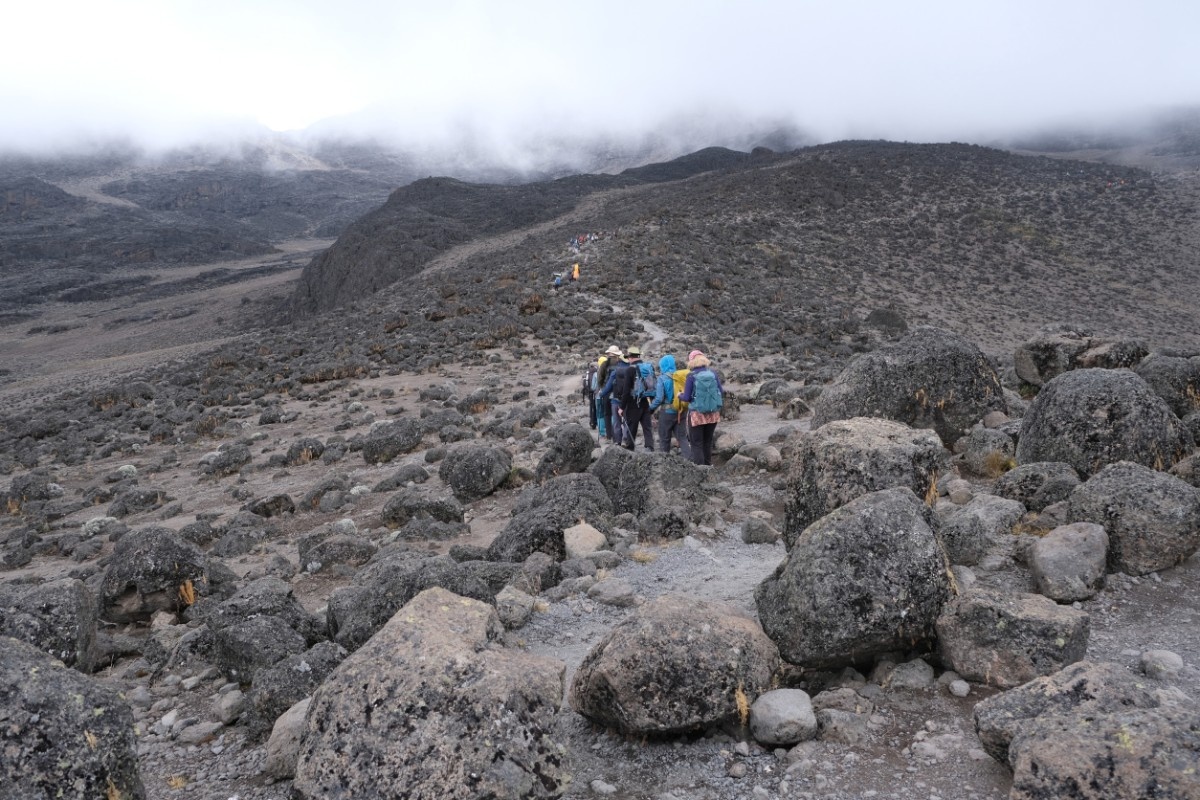
Typical questions include the timing of the migration and safety. Observers also often wonder about the best spots for sightings. Here are some answers:

  • When is the best time to visit? The migration is year-round, but highlights vary.
  • Where can you see dramatic river crossings? Key locations include the Mara River.
  • Is the migration safe to witness? Yes, with guided tours ensuring safe experiences.

Optimal Seasons for Tanzania Safari Adventures

Tranzania Travel Guide 

tanzania best time to travel

Embarking on a safari in Tanzania is a dream for many. The country offers breathtaking landscapes and diverse wildlife. But when is the best time to go?

Timing your visit is crucial for an unforgettable experience. Tanzania’s seasons greatly influence wildlife visibility. Each season offers unique opportunities.

The dry season, from June to October, is popular. Wildlife gathers around water sources, making it easier to spot. This period is ideal for witnessing the Great Migration in the Serengeti.

The wet season, from November to May, transforms the landscape. Lush greenery and fewer tourists create a serene atmosphere. It’s perfect for birdwatching and photography.

Zanzibar, a popular extension to a safari, shines from June to October. The weather is perfect for beach activities. Combining safari with a beach holiday is a fantastic option.

Understanding Tanzania’s climate helps in planning. Each month offers different experiences. Whether you seek adventure or relaxation, there’s a perfect time for you.
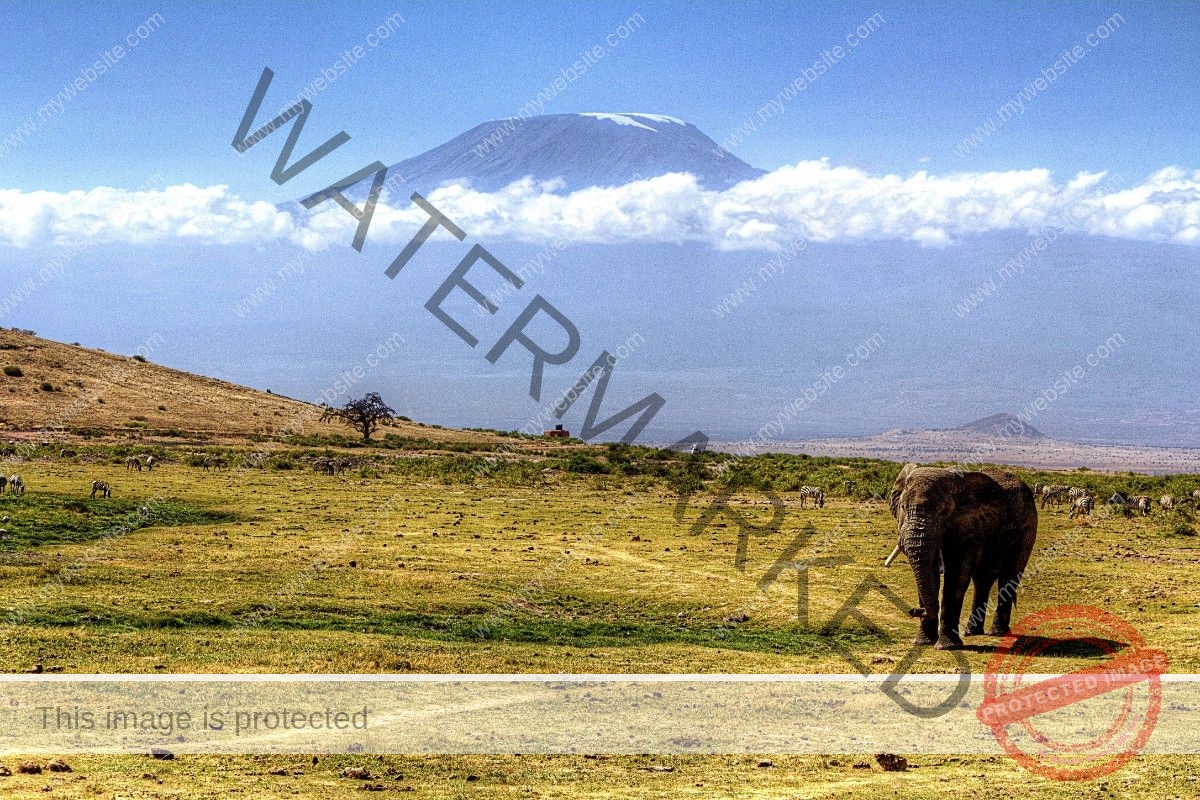
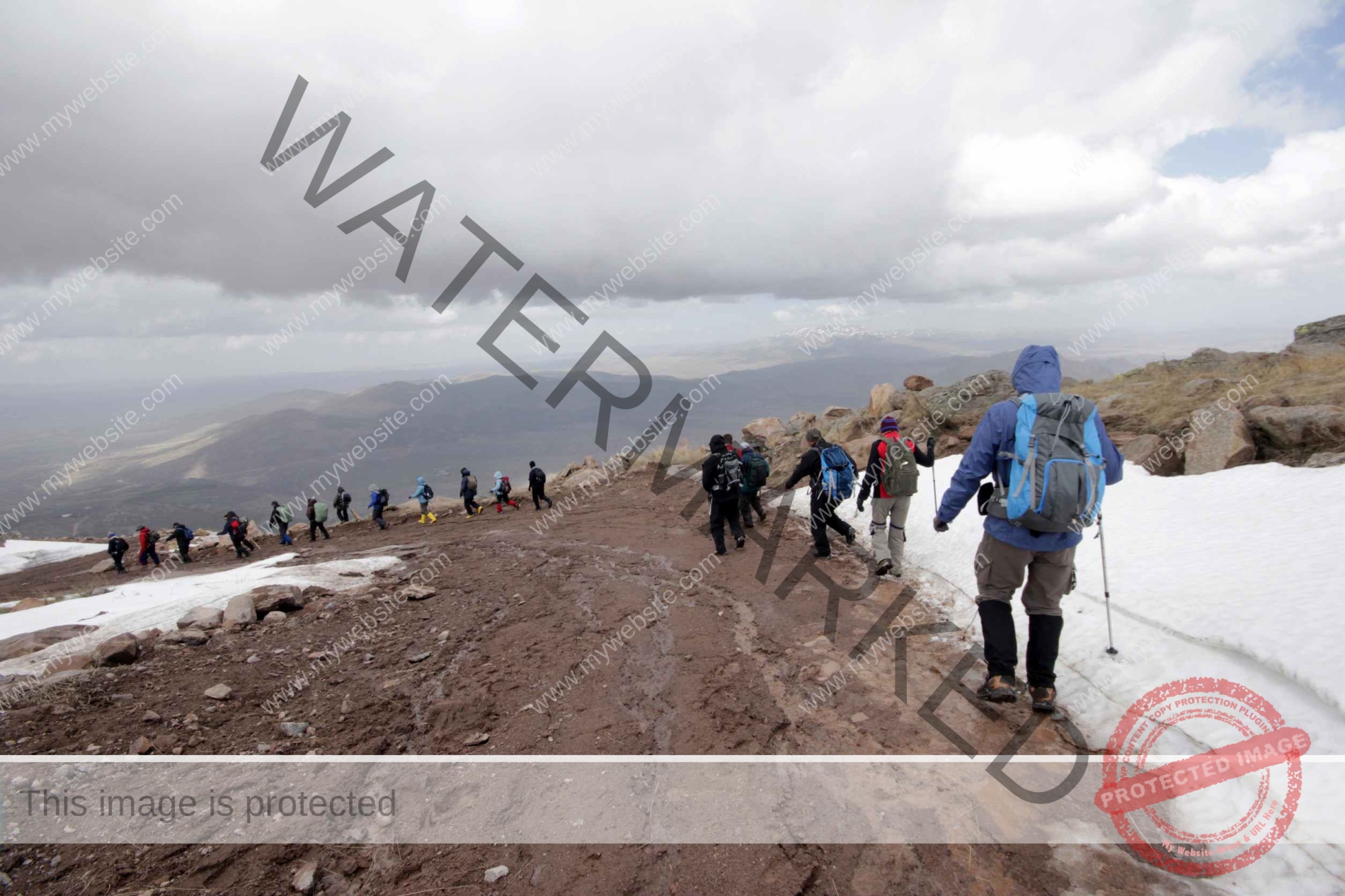
Join us as we explore the optimal seasons for Tanzania safari adventures.

Understanding Tanzania’s Climate and Safari Seasons

Tanzania’s climate varies across its diverse landscapes. It plays a crucial role in planning your safari adventure. The country experiences both dry and wet seasons, each offering unique benefits.

The dry season runs from June to October. During this time, rainfall is scarce, skies are clear, and daytime temperatures are moderate. Wildlife is more concentrated around water sources, making it easier to spot animals, especially in national parks.

The wet season is divided into two periods: the short rains from November to December and the long rains from March to May. During these months, the scenery becomes lush and vibrant. Although rain can be heavy, it typically falls in short bursts.

Each season has its highlights. The dry season is ideal for game viewing in popular regions like the Serengeti and Ngorongoro. On the other hand, the wet season is perfect for witnessing the calving period and enjoying fewer crowds.

  • Dry Season (June to October): Best for wildlife viewing.
  • Short Rains (November to December): Migratory birds arrive.
  • Long Rains (March to May): Lush landscapes and calving season.

Coastal areas, like Zanzibar, experience humidity and more stable temperatures. However, the rains can impact travel plans. Inland regions, such as the Serengeti, have cooler evenings and mornings.

Understanding these seasonal shifts is vital for planning a successful safari. Whether you aim for peak wildlife viewing or serene landscapes, timing your visit appropriately ensures the best experience possible.

Month-by-Month Guide to Tanzania Safaris

A month-by-month approach helps in making the most of your Tanzania safari. Each month offers distinct experiences, from witnessing wildlife spectacles to enjoying serene landscapes.

In January, Tanzania is lush. The weather is warm and humid, and the season is perfect for birdwatching. February continues with vibrant greenery and quieter parks.

March marks the beginning of the long rains. Parks experience fewer tourists, making it ideal for solitude seekers. April is lush but wet. Heavy rains may cause some roads to be impassable.

In May, the rain tapers off, leaving behind rejuvenated landscapes. June heralds the dry season, drawing wildlife to waterholes. The iconic Great Migration becomes a key highlight.

July continues the peak safari season, offering prime wildlife viewing. In August, game sightings remain extraordinary, with the addition of cooler evenings.

September maintains its appeal with excellent wildlife visibility. By October, the landscapes begin transitioning, signaling the end of the dry season.

  • January to March: Calving season and vibrant greens.
  • April to May: Long rains with lush scenery.
  • June to October: Dry, best for game viewing.
  • November to December: Short rains, ideal for birdwatching.

Understanding each month’s unique offerings allows travelers to tailor their safari experience accordingly. Whether you’re seeking crowds or tranquility, this guide provides clarity.

January to March: Calving Season and Green Landscapes

January kicks off with verdant landscapes. Rainfall makes the scenery vivid and lush, enhancing any photographic expedition. The air is fresh and fragrant.

February brings the much-anticipated calving season. The Serengeti plains host countless newborn animals. Predators take advantage of this, increasing chances of witnessing thrilling wildlife interactions.

Visitors during this time can expect warm temperatures and lively ecosystems. The lushness attracts a range of bird species. This period provides excellent birdwatching opportunities.
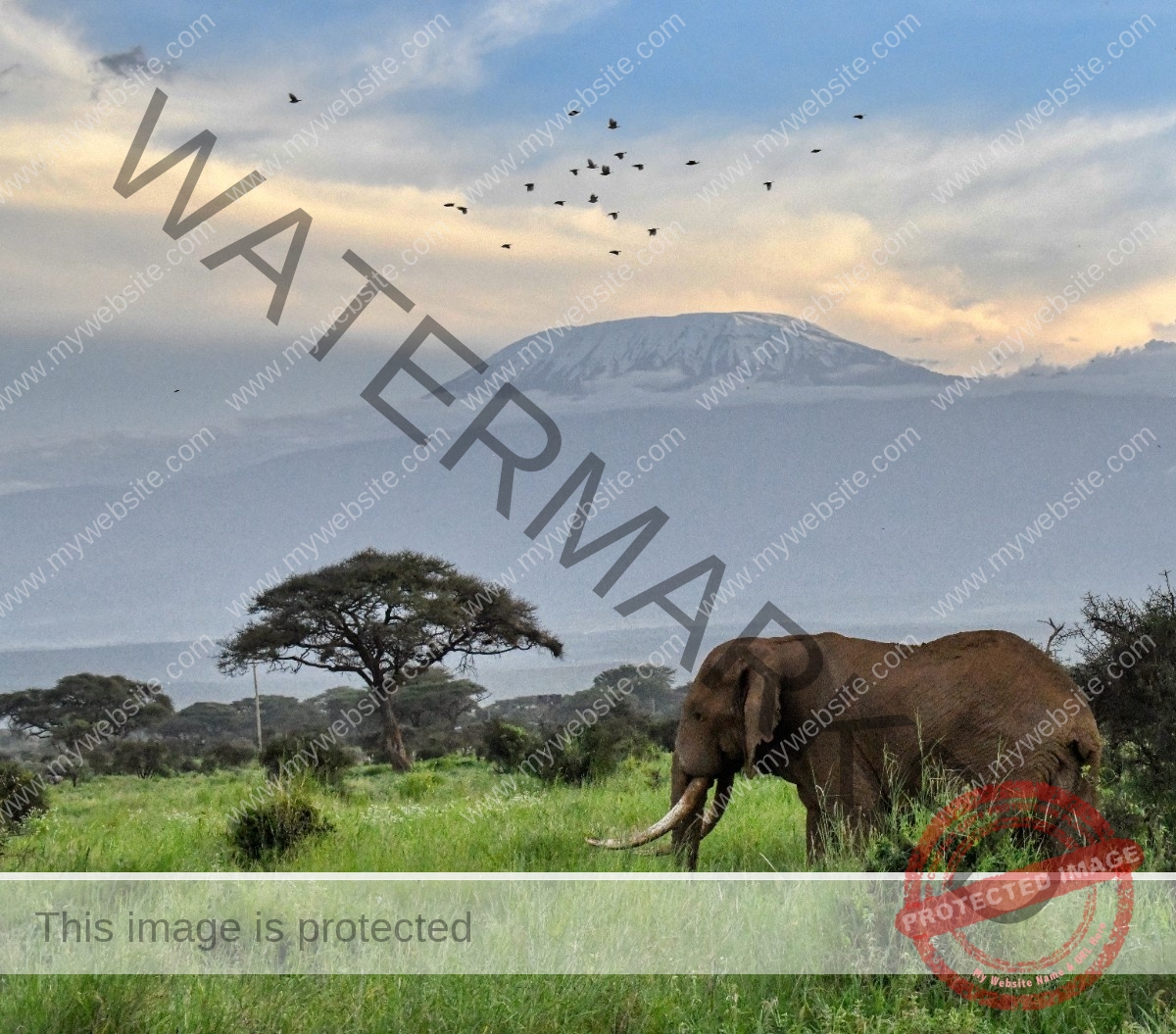
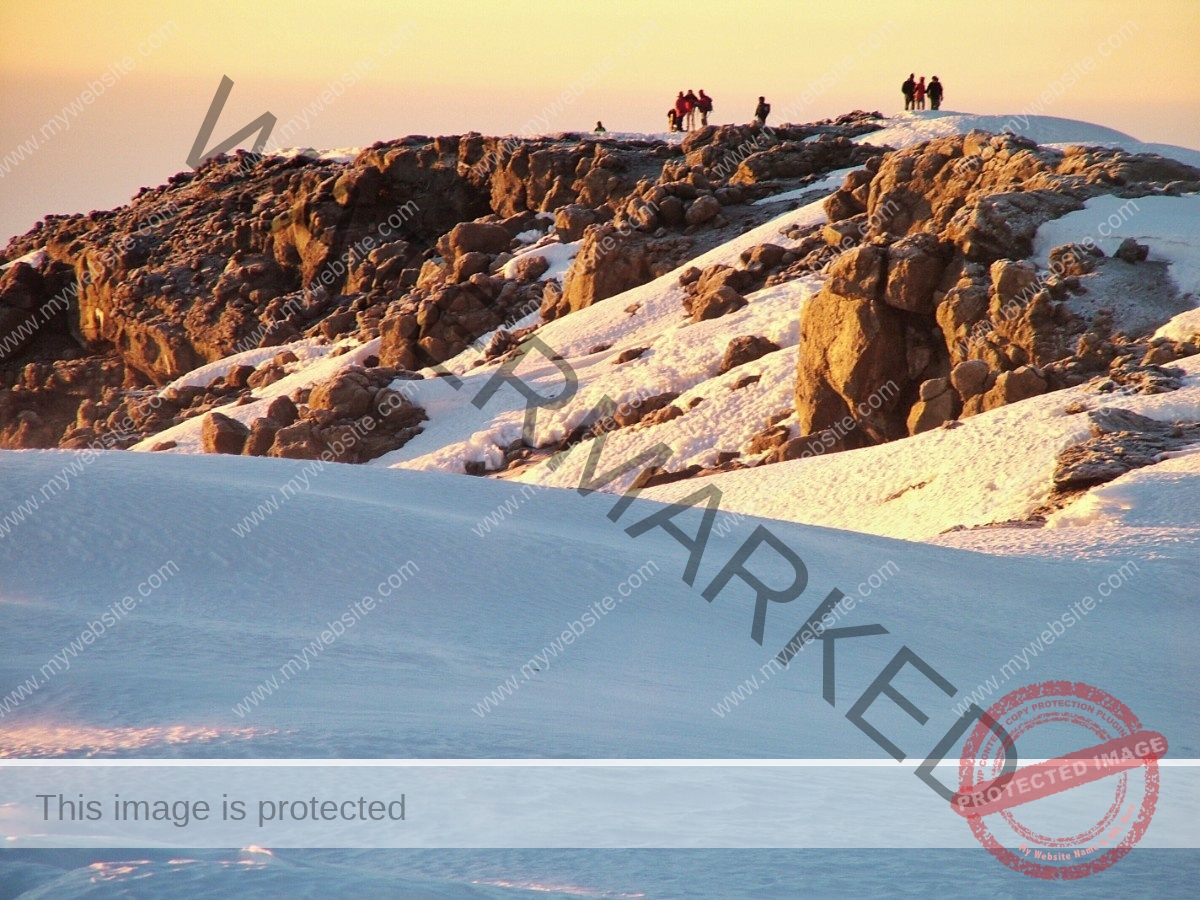
March sees a transition towards the longer rains. Wildlife is still active, and parks remain accessible. The growing grasslands sustain numerous herbivores.
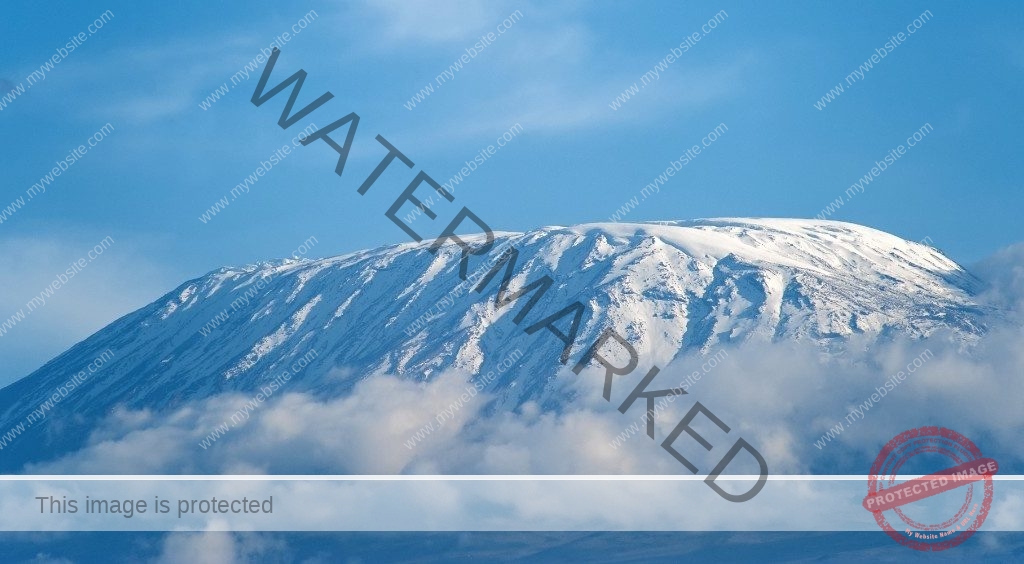
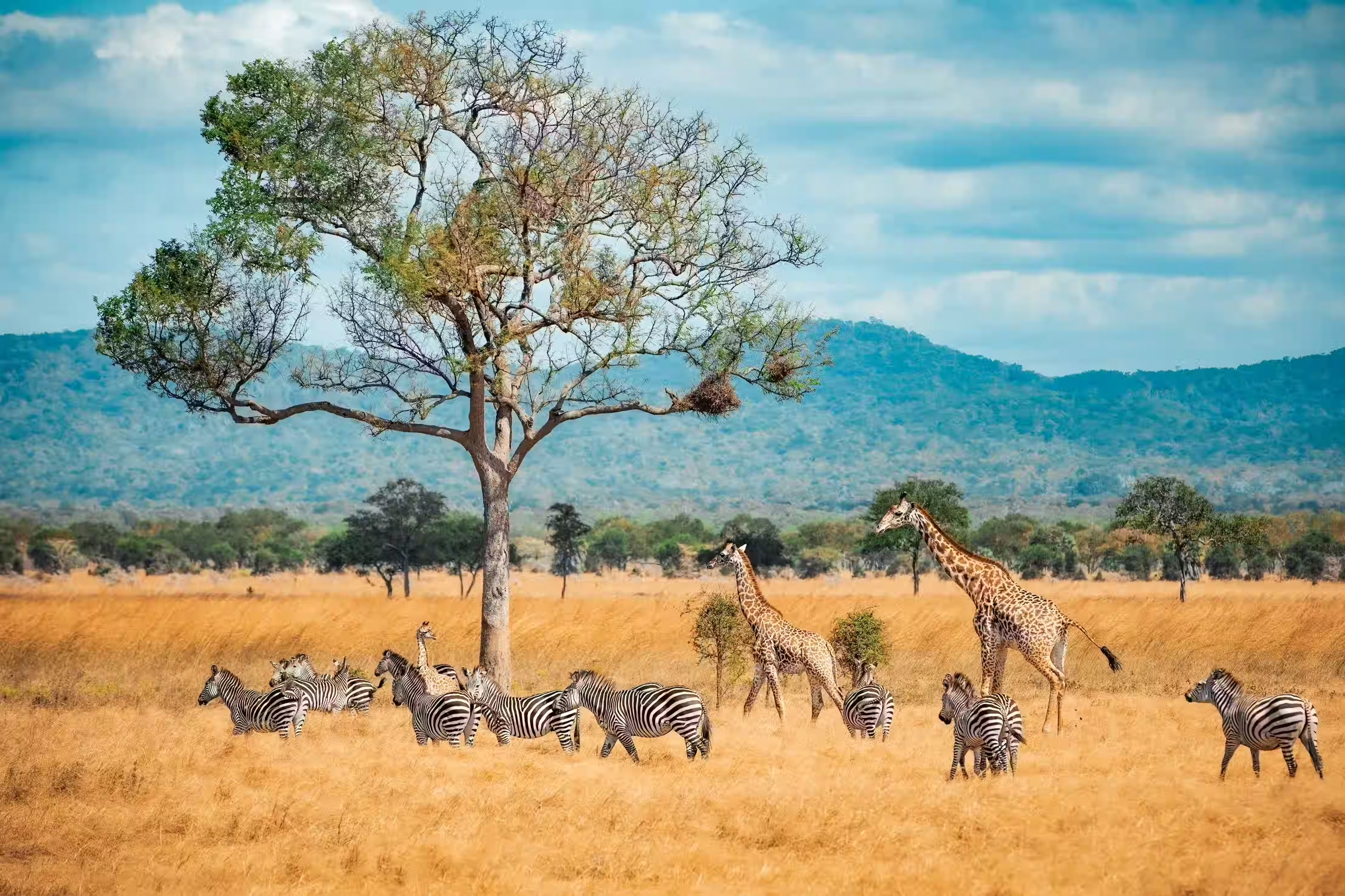
Traveling during these months offers fewer crowds, creating more intimate wildlife encounters. It’s a rewarding experience for those who enjoy tranquility.

  • Vibrant landscape photography
  • Thrilling predator-prey dynamics
  • Abundant bird species

This period suits those seeking less crowded parks with a focus on calving and birdlife. It’s a season of renewal and awakening.

April to May: The Long Rains and Shoulder Season

April opens with the long rains in full swing. These months are marked by heavy downpours followed by bright sunshine. The landscapes flourish under the nourishment of rain.

May witnesses a continuation of this rain, though it becomes less persistent. The rejuvenation of vegetation attracts diverse wildlife. Predators are more dispersed with ample prey available.

For some travelers, the rains provide a unique appeal. They bring dramatic skies, perfect for photographers. The lush setting offers different perspectives, enhancing each snapshot.

Lodge prices often drop, and crowds diminish, a benefit for budget-conscious travelers. However, some roads may be challenging to navigate due to mud and waterlogging.

Safaris during this time also offer serenity. You can enjoy intimate wildlife encounters without the hustle of peak season crowds.

  • Photographic paradise
  • Budget-friendly travel
  • Serene and peaceful excursions

Travelers during April and May should embrace the rain’s unpredictability. These months offer a quieter experience, ideal for those seeking solitude and new perspectives.

June to October: The Dry Season and Peak Safari Time

June heralds the start of the dry season, sparking enthusiasm among safari seekers. Wildlife gathers around dwindling water sources, making game spotting more straightforward. The clear skies add to the overall experience.

July is a sensational month for witnessing the Great Migration. Hundreds of thousands of wildebeest and zebra move across the Serengeti. The spectacle draws tourists worldwide.

August continues the migration highlight. The river crossings are dramatic, with herds facing crocodile-infested waters. This month offers exceptional wildlife viewing opportunities.

By September, the Serengeti remains a hub of activity. The migration’s path provides endless action, allowing visitors to witness nature’s circle of life in action.

October experiences a gradual dry season wind-down. Animals still frequent water sources, and sightings remain impressive.

  • Great Migration: July to September
  • Classic safari experiences: June, August
  • Diverse wildlife spotting: October

This period is perfect for those wanting to witness migrations. It provides unparalleled opportunities for wildlife photography and exploration.

Another hallmark of this time is the pleasant climate. Daytime temperatures are moderate, and the evenings are cooler. The comfortable conditions enhance safari experiences.

Parks are at their busiest, with visitors aiming to capture the Great Migration. Bookings need to be well-planned in advance. The bustling atmosphere adds to the excitement.

Accommodation might cost more during the peak season. Visitors enjoy top-notch services and expert guides, ensuring a memorable safari.

Prospective travelers should consider the following:

  • Peak periods for popular parks
  • Plan ahead for accommodations
  • Expect bustling lodges and camps

June to October remains the foremost time for classic safaris. Rich in wildlife action and photographic opportunities, it’s a top choice for adventurers.

November to December: Short Rains and Migratory Birds

November marks the onset of the short rains. The arrival reinvigorates the landscape, turning the scenery green and vibrant. Wildlife remains active and easier to spot.

December sees a transformation. Lush green landscapes set the stage for unique safari experiences. The abundance of food means animals are healthy and active.

The short rains differ from their longer counterpart. The showers are brief, allowing ample sunshine in between. This balance creates excellent conditions for exploratory safaris.

Migratory birds arrive, drawn by the thriving ecosystem. These months are perfect for birdwatching, an added delight for nature enthusiasts.

Fewer tourists make this an attractive time. Visitors enjoy the beauty of Tanzania’s parks without heavy crowding. The atmosphere is peaceful, ideal for intimate wildlife interactions.

  • Short and refreshing rains
  • Excellent birdwatching opportunities
  • Fewer tourists, more tranquility

November and December offer a serene safari experience filled with life and color. It’s a time of renewal and preparation for the coming calving season.

Serengeti National Park

The Serengeti National Park is a renowned safari destination. It’s vast, diverse, and teeming with wildlife. The best time to visit the Serengeti is during the Great Migration. This occurs between June and October. However, each season offers something unique.

The dry season, from June to October, concentrates animals around water. This makes wildlife viewing easier. You can witness lion prides and elephant herds.

In contrast, the green season, from November to May, showcases lush landscapes. This period is excellent for birdwatching and spotting newborns.

  • June-October: Best time for Great Migration
  • November-May: Green landscapes and birdwatching

The Great Migration: When and Where to Witness the Spectacle

The Great Migration is a natural spectacle unlike any other. It involves over a million wildebeest and hundreds of thousands of zebras. This epic journey covers the vast Serengeti plains in Tanzania.

The migration is a year-round cycle. However, certain months offer exceptional opportunities to witness its most dramatic events. The movement is influenced by rainfall and availability of grazing.

From January to March, the southern Serengeti hosts the calving season. Thousands of young are born daily. This attracts predators, offering exhilarating viewing opportunities for visitors.

Come April, the herds move northwest, following the rains. By June, they reach the Grumeti River, where dangerous crossings occur. The river is filled with large crocodiles, creating tense and thrilling encounters.

July to September is famous for the Mara River crossings. This is often the high point of the migration. The scenes of survival play out vividly as herds brave the treacherous waters.

October sees the return southward. The grasslands replenish, guiding the herds back towards the Ndutu region. This cyclical journey continues, driven by nature’s rhythms.

  • January-March: Calving season and predator activity
  • April-June: Grumeti River crossings
  • July-September: Mara River crossings
  • October-November: Return southward

Experiencing the Great Migration requires strategic planning. Choosing the right time and location is vital. The spectacle offers nature’s raw drama, impressing even seasoned travelers.

Photographers will find endless inspiration in the sights and sounds. The sheer volume of animals is breathtaking, offering picture-perfect moments. The migration is undoubtedly an ultimate safari highlight.

Tarangire, Ruaha, and Selous/Nyerere

Tarangire National Park is famous for its elephant herds and baobab trees. The best months to visit are June to October. During this time, animals cluster along the Tarangire River.

Ruaha National Park is ideal for spotting big cats. It also features diverse bird species. The dry months enhance your chances of seeing predators in action.

Selous/Nyerere is one of Africa’s largest game reserves. It offers a remote and uncrowded safari experience. July through October is the best period for visiting.

  • Tarangire (June-October): Elephant herds along the river
  • Ruaha (July-October): Best for predators and birdlife
  • Selous/Nyerere (July-October): Remote safari adventure

Combining Safari with Zanzibar: Optimal Months for Both

Combining a safari in Tanzania with a beach retreat in Zanzibar offers a perfect blend of adventure and relaxation. Timing your visit for both experiences enhances the enjoyment.

The ideal time for this combo is from June to October. These months coincide with the dry season, providing excellent wildlife viewing. The conditions are perfect for swimming and diving in Zanzibar’s turquoise waters.

Zanzibar enjoys a tropical climate. June to October brings dry, sunny weather. This is perfect for exploring the island’s beaches and spice plantations. Moreover, the water visibility is high, ideal for snorkeling.

During this time, the Serengeti is buzzing with wildlife. This includes witnessing the dramatic river crossings during the Great Migration. Tarangire and Ngorongoro also offer splendid wildlife encounters.

However, if you’re keen on fewer crowds, consider the short rains in November. This period offers pleasant weather in Zanzibar. Safari parks are quieter, though some roads might be muddy.

  • June-October: Optimal for both safari and beach activities
  • November: Good for budget travelers seeking fewer crowds

Combining these destinations offers a diverse experience. Immerse yourself in Tanzania’s wildlife and unwind on Zanzibar’s idyllic beaches.

Special Safari Experiences by Season

In Tanzania, each season paints a unique safari experience. Visitors have the chance to witness different natural events year-round.

During January to March, the Serengeti transforms with the calving season. This period sees large herds of wildebeests, along with newborn calves. Predators are more active, drawn by the abundance of prey.

April and May bring long rains and verdant landscapes. Although access can be challenging, the scenery’s beauty makes up for it. The reduced visitor numbers offer a more serene safari experience.

From June to October, the dry season offers peak wildlife viewing. Animals cluster around shrinking water sources. This is also the prime time for the Great Migration’s thrilling river crossings.

As November approaches, the short rains begin. This time rejuvenates the landscape and ushers in a vibrant birdwatching season. The fresh atmosphere adds a different charm to the safari.

  • January-March: Calving and predator activity
  • April-May: Lush landscapes and solitude
  • June-October: Peak wildlife visibility
  • November: Birdwatching and landscape rejuvenation

Each season in Tanzania holds its own adventure. Visitors are rewarded with a unique and memorable experience any time of the year.

Birdwatching in Tanzania: Best Months and Hotspots

Tanzania is a paradise for birdwatchers. With over 1,100 bird species, it offers exciting opportunities year-round.

The best months for birdwatching are November to April. During this period, migratory birds from Europe and Asia arrive, increasing the diversity.

Lake Manyara National Park is a renowned hotspot. The park hosts a spectacular range of water birds, including large flocks of flamingos.

Ruaha National Park is another gem. Known for its rich variety of both resident and migratory birds, it attracts avid birdwatchers worldwide.

Some popular birdwatching locations include:

  • Lake Manyara National Park
  • Ruaha National Park
  • Arusha National Park
  • Selous Game Reserve

These hotspots offer vibrant scenes filled with colorful avian species. Whether you’re a novice or an expert, Tanzania delivers a birdwatching experience unlike any other.

Best Times to Visit Tanzania’s Top National Parks

Tanzania boasts several iconic national parks, each with unique wildlife experiences. Choosing the right time to visit these parks enhances your safari adventure. The differences in location and climate mean that timing can significantly impact your trip.

Pros and Cons of Each Season: Weather, Wildlife, and Costs

Each safari season in Tanzania has its unique advantages. Understanding the pros and cons can help tailor your adventure to your preferences.

The Dry Season (June to October) boasts clear skies and optimal wildlife viewing. However, it comes with higher accommodation costs and more tourists.

Key advantages of the Dry Season:

  • Abundant wildlife, especially around waterholes
  • Pleasant weather, ideal for travel
  • Peak migration sightings in the Serengeti

On the downside, it’s the peak tourist season. That means crowded parks and higher prices for lodging.

The Wet Season (November to May) has lush landscapes. Birdwatchers will find it particularly rewarding.

Pros of the Wet Season:

  • Lower travel costs and fewer tourists
  • Vibrant landscapes perfect for photography
  • Excellent birdwatching with migratory species

The primary con involves the rain, which can make some roads difficult to navigate. Additionally, some lodges might close for the season.

Choosing your travel time depends on whether you prioritize wildlife, costs, or tranquility. Each season offers a different taste of Tanzania’s natural beauty.

Planning Tips: Booking, Packing, and Travel Logistics

Planning a safari in Tanzania requires careful consideration of several factors. Advanced booking is essential, especially during peak seasons. This ensures you secure your preferred accommodations and guides.

Start with a comprehensive packing list. Lightweight, breathable clothing is crucial due to varying temperatures. Neutral colors are ideal for blending into the environment.

Essential Items to Pack:

  • Sturdy walking shoes
  • Binoculars for wildlife viewing
  • Sunscreen and a wide-brimmed hat

Travel logistics can be complex, so research is key. Check visa requirements and ensure your vaccinations are up to date before traveling. Additionally, booking with a reputable tour operator can ease planning challenges.

Important Logistics to Consider:

  • Internal flights and transfers
  • Accommodation types (lodges vs. camps)
  • Local currency and payment options

Communicate with your tour operator about any specific needs or preferences you have. They can provide valuable insights into your itinerary and enhance your safari experience. Planning meticulously guarantees you get the most from your Tanzanian adventure.

Conclusion: Choosing Your Perfect Time for a Tanzania Safari Adventure

Choosing the optimal time for your Tanzania safari depends on personal interests and priorities. If you wish to witness the Great Migration, aim for the dry months from July to September. This period promises thrilling river crossings.

For vibrant landscapes and fewer crowds, consider traveling during the green season between November and May. This is also the prime time for birdwatching and capturing lush scenery.

Ultimately, your choice depends on your desired experience, weather preferences, and budget. Each season offers unique opportunities and wildlife events. Take the time to evaluate what aspects of nature excite you most. Your perfect safari adventure awaits!

Frequently Asked Questions About Tanzania Safari Timing

Understanding the timing of your safari is crucial. Many travelers have specific questions about the best time to visit Tanzania.

A common question is about the dry season benefits. During this period, wildlife tends to gather around waterholes, enhancing viewing opportunities.

Another inquiry involves the Great Migration. The Great Migration occurs year-round, but July to September offers the most dramatic crossings in the Serengeti.

Travelers often ask about weather conditions. Tanzania’s climate varies by region; coastal areas like Zanzibar are humid, while inland areas are cooler.


  • What is the best month to visit Serengeti?
  • How does the wet season impact safari experiences?
  • Is June a good time to see the Great Migration?

Finally, tourists wonder about cost differences. The shoulder season offers lower prices, but fewer options in accommodation and tours due to some closures.